
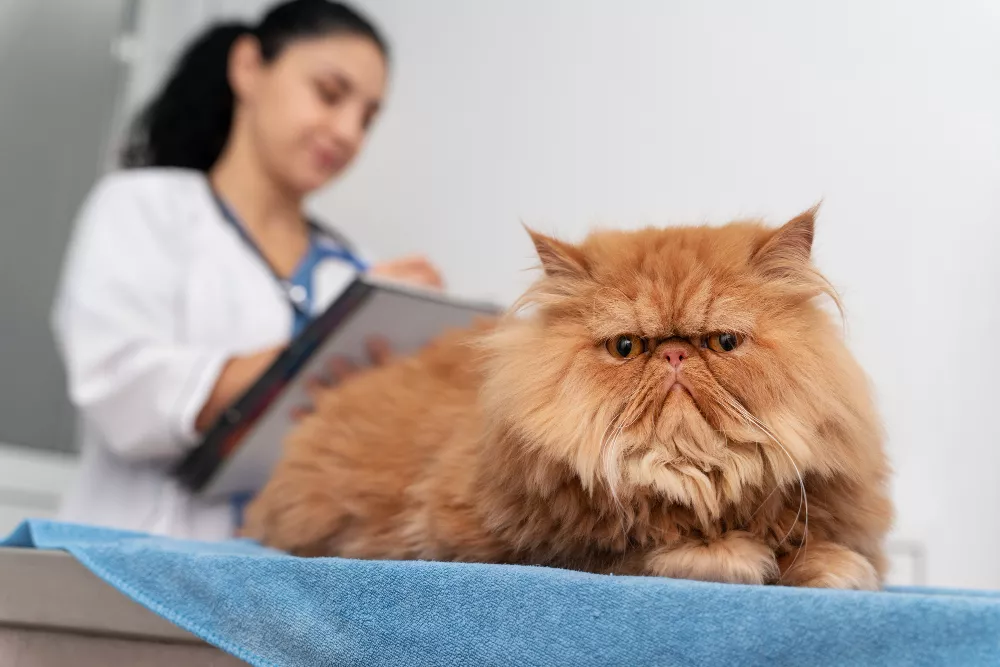
Pet obesity is rising rapidly across the UK, threatening animal health, happiness, and longevity. Obesity in pets isn’t just about excess weight; it reflects a deeper issue of imbalance, inflammation, and inactivity. A few extra kilos can lead to severe consequences: joint pain, heart disease, and diabetes.
Understanding the causes, symptoms, and consequences is essential for every pet owner. Whether it’s overfeeding, reduced exercise, or post-neutering changes, the triggers are often preventable. Recognising early warning signs, like breathlessness, missing waistlines, or reduced mobility, helps address the problem before it escalates.
Vets play a vital role in recovery through assessment, adjustment, and accountability. With tailored nutrition plans, activity routines, and consistent monitoring, your pet can return to a healthy weight.
At ASL Vets, we combine science, care, and commitment to deliver holistic pet weight management, ensuring every pet lives longer, moves better, and feels happier.
Table of Contents
How Can Obesity Affect Your Pet’s Health?
Pet obesity leads to life-shortening, chronic health problems. A few extra kilos can reduce mobility, strain organs, and raise the risk of serious illness. In the UK, obesity is now one of the top preventable causes of poor pet health.
Obesity reduces lifespan in pets:
Excess fat shortens a pet’s life by up to 2.5 years. Weight gain impacts all body systems. Lifespan reduction results from:
- Metabolic overload on the liver and pancreas
- Compromised organ function
- Increased disease vulnerability
Obese pets experience accelerated ageing and lower vitality throughout their lives.
Obesity increases the risk of diabetes and hormonal disorders:
Overweight pets develop insulin resistance and are more likely to become diabetic. Fat tissue interferes with glucose regulation, especially in:
- Neutered male cats
- Middle-aged dogs
- Rabbits with restricted mobility
Weight-induced hormonal imbalances also raise blood pressure and disrupt reproductive health.
Obesity causes joint pain and mobility loss:
Excess body weight places constant strain on bones and joints. This mechanical overload leads to:
- Arthritis in the hips, knees, and spine
- Stiffness and inflammation
- Reluctance to move or play
Limited movement creates a self-reinforcing loop, where inactivity worsens obesity and discomfort.
Obesity affects the heart and lungs:
Obese pets suffer from reduced cardiovascular and respiratory efficiency. Symptoms often include:
- Laboured breathing during light activity
- Increased heart rate at rest
- Heat intolerance due to poor cooling ability
Flat-faced breeds like Pugs and Persians face greater breathing risks under excess weight.
Obesity increases cancer risk:
Fat cells are not passive storage. They produce inflammatory chemicals and growth factors that elevate cancer risk. Common cancers linked to obesity include:
- Mammary tumours
- Bladder cancers
- Pancreatic and liver neoplasms
These risks increase further in older, sedentary pets.
Obesity complicates medical procedures:
Obese pets face higher risk during surgery. Common complications include:
- Anaesthesia sensitivity
- Reduced lung function under sedation
- Longer recovery times
Veterinarians often need to adjust protocols for overweight patients, increasing the complexity and cost of care.
Obesity reduces quality of life:
Excess body weight limits a pet’s ability to enjoy normal daily activities. Reduced quality of life is seen in:
- Difficulty grooming or climbing stairs
- Less interest in play or interaction
- Mood changes, including anxiety or low energy
Behavioural impacts include lethargy, restlessness, and frustration from immobility.
Obesity increases the risk of skin and organ disorders:
Fat folds cause skin infections, while pressure on organs increases the likelihood of:
- Urinary tract infections
- Kidney dysfunction
- Liver disease due to fat buildup
Rabbits with obesity are also prone to flystrike, urine scald, and digestive disorders.
What Are the Causes of Obesity in Pets?
Obesity in pets results from a long-term energy imbalance, where calorie intake exceeds energy expenditure. Several behavioural, biological, and environmental factors contribute to weight gain in animals. Recognising these causes helps prevent chronic health conditions and improve pets’ wellbeing.
Overfeeding and Portion Mismanagement
- Excess calorie intake occurs when pets are fed too much food or too many treats.
- Free-feeding (leaving food out all day) leads to uncontrolled consumption.
- Human food often contains high levels of sugar, salt, and fat, which are unsuitable for pet metabolism.
- Feeding based on appetite, rather than need, encourages overeating.
Pets with unrestricted access to food are more likely to exceed their energy requirements daily, leading to fat accumulation.
 Lack of Physical Activity
- Indoor pets, especially cats and small dogs, tend to lead sedentary lifestyles.
- Restricted access to outdoor space or short, infrequent walks contribute to low energy use.
- Boredom and environmental monotony reduce the pet’s motivation to move or play.
According to UK studies, 29% of dogs walk under 30 minutes per day, and 1% receive no exercise at all.
Biological Risk Factors
- Breed predisposition: Labradors, Beagles, British Shorthairs, and Cavalier King Charles Spaniels are more prone to fat retention.
- Ageing reduces metabolic rate and activity, increasing fat storage even on a stable diet.
- Neutering affects hormone levels, often reducing energy needs by 20–30%.
- Sex differences show higher obesity rates in older females due to hormonal and metabolic differences.
Genetic studies confirm breed-specific metabolic tendencies linked to obesity susceptibility.
Medical Conditions and Medications
- Endocrine disorders like hypothyroidism or Cushing’s disease alter metabolism.
- Steroids and anti-seizure medications may lead to increased appetite or fluid retention.
- Pets with existing illnesses may move less, reducing energy expenditure.
Veterinary diagnosis is essential to rule out or manage health-driven causes of weight gain.
Owner Habits and Lifestyle Choices
- Obese owners are statistically more likely to have overweight pets.
- Owners may misjudge ideal body shape, failing to identify excess weight.
- Emotional feeding, using treats for affection, leads to overfeeding patterns.
- Busy schedules or mobility issues may limit daily walks or playtime.
Lifestyle influences pet routines, making owners essential partners in obesity prevention.
How Can Obesity Impact Your Pet’s Health?
Obesity in pets significantly increases the risk of chronic disease, physical decline, and reduced life expectancy. Even moderate weight gain affects the musculoskeletal, cardiovascular, metabolic, and respiratory systems, ultimately shortening the lifespan by up to 2 years.
Joint Pain and Arthritis
Excess weight puts continuous pressure on joints and ligaments, accelerating wear and inflammation.
- Overweight dogs are 2–3 times more likely to develop osteoarthritis.
- Cartilage degeneration worsens with increased fat mass.
- Reduced mobility leads to muscle atrophy, making movement harder over time.
Pets with arthritis often show stiffness, reluctance to jump, and pain when walking or rising.
Heart Disease and Circulatory Problems
The heart works harder to pump blood in overweight animals.
- Obese pets face elevated blood pressure, higher resting heart rates, and poor circulation.
- Long-term cardiac strain increases the risk of heart failure.
- Brachycephalic breeds are especially vulnerable due to restricted airway structures.
Veterinary data shows cardiovascular risk increases proportionally with fat mass.
Respiratory Issues and Heat Intolerance
Fat accumulation in the chest and abdomen compresses the lungs and reduces oxygen intake.
- Breathing becomes laboured during mild activity.
- Pets show panting, wheezing, or collapsing in warm temperatures.
- Obese rabbits and flat-faced dogs struggle to thermoregulate, risking heatstroke.
In warm months, overweight pets are 3x more prone to respiratory distress.
Diabetes and Hormonal Imbalance
Obesity alters insulin sensitivity and glucose metabolism.
- Cats are especially susceptible, with overweight cats facing up to a fourfold increase in diabetes risk.
- Hormonal imbalance also affects the adrenal and thyroid glands.
- Weight-related metabolic syndrome complicates treatment and recovery.
Diabetic pets require lifelong management and face greater risk of blindness and neuropathy.
Shortened Lifespan and Early Ageing
Obese pets experience a measurable decline in longevity and vitality.
- Overweight dogs can lose up to 2.5 years of life expectancy.
- The risk of disease onset accelerates by middle age.
- Quality of life deteriorates due to inactivity, pain, and recurring illness.
A lean body condition has been linked to longer, healthier lives in all companion animal studies.
Secondary Health Risks
Obesity also increases the likelihood of:
- Certain cancers: Fat tissue secretes pro-inflammatory agents that fuel tumour growth.
- Liver lipidosis: Especially in cats, where fat infiltrates the liver.
- Skin infections: Fat folds trap moisture, leading to dermatitis and hot spots.
- Surgical complications: Anaesthesia and recovery risks are higher in obese animals.
Every system in the body is affected when a pet carries too much weight.
How Can You Tell if Your Pet Is Overweight?
You can identify if your pet is overweight by observing physical shape, energy levels, and specific anatomical signs. Simple checks at home, supported by a vet’s Body Condition Score (BCS) assessment, help detect early signs of unhealthy weight.
You Can’t Easily Feel the Ribs
- Healthy pets have ribs that are easily felt beneath a thin layer of fat.
- If ribs are difficult to detect or require firm pressure, excess fat is likely present.
- This is one of the most reliable indicators of body fat accumulation.
Waist and Tuck-Up’ Disappear
- A healthy pet has a visible waistline when viewed from above.
- From the side, the belly should tuck upward behind the ribcage.
- An overweight pet’s body appears rounded or oval, lacking definition in the waist.
A flattened silhouette, sagging abdomen, and no tapering at the waist signal excess body fat.
Panting or Breathlessness with Light Activity
- Overweight pets pant excessively during mild exertion, like walking or climbing stairs.
- Breathing may become laboured, especially in warm weather or humid conditions.
- Obesity reduces lung capacity due to fat around the chest and abdomen.
Brachycephalic breeds suffer more from this due to their restricted airways.
Reluctance to Exercise or Move
- Pets with weight problems show lower interest in play, walks, or jumping.
- Getting up from rest takes effort and is often accompanied by stiffness.
- Obesity leads to joint pain, reduced stamina, and exercise intolerance.
Lethargy or sleeping more than usual may signal the early impact of excess weight.
Body Condition Score (BCS) System
Veterinarians use a 1–9 point Body Condition Score to assess weight health.
- Score 1–3: Underweight (visible bones, minimal fat)
- Score 4–5: Ideal (ribs palpable, waist visible, abdomen tucked)
- Score 6–7: Overweight (ribs harder to feel, waist loss begins)
- Score 8–9: Obese (no waist, heavy fat deposits, broad frame)
Most overweight pets score 6 or higher on the BCS chart. The ideal range is 4–5.
How Do Vets Help with Pet Weight Management?
Vets manage pet obesity through structured, evidence-based programmes. These include clinical assessments, diet planning, and customised activity routines. At the centre is a tailored approach built on health status, breed traits, age, and lifestyle factors.
Tailored Feeding Plans
- Vets develop individual feeding protocols based on calorie needs and ideal weight targets.
- Plans account for breed-specific metabolism, neutering status, and current weight.
- Portion control and feeding frequency are adjusted to support safe fat loss.
Over 60% of overweight pets achieve measurable weight reduction with vet-supervised diet plans.
Regular Weight Checks and Progress Monitoring
- Pets are weighed routinely to track fat loss vs muscle preservation.
- Adjustments are made when progress stalls or weight loss is too rapid.
- Monitoring helps avoid metabolic rebound and ensures long-term sustainability.
Consistent tracking improves success rates by over 80% compared to self-managed attempts.
Prescription Weight-Loss Diets (If Required)
- Some pets benefit from clinical weight-loss food, typically high in fibre and protein, low in fat.
- These diets support satiety, preserve lean mass, and help regulate glucose levels.
- Prescription diets are used under supervision to correct nutritional imbalances during calorie restriction.
Veterinary diets often reduce daily calorie intake by 20–30% without increasing hunger.
Fitness Plans Adapted to Breed, Age, and Mobility
- Exercise routines are created based on the pet’s age, health condition, and breed tendencies.
- Low-impact options like swimming or controlled walking are used for arthritic pets.
- High-energy breeds may need structured play and advanced routines to stay engaged.
Active breeds like Collies and Retrievers require 2× more daily activity than flat-faced or senior dogs.
ASL Vets’ Holistic Weight Management Programmes
ASL Vets provide multi-faceted weight management, combining medical science and behaviour change:
- Comprehensive body scoring and vet health assessments
- Tailored nutrition coaching and feeding plans
- Breed-specific fitness programmes
- Ongoing coaching, education, and motivation tools
- Close collaboration with pet owners for sustained success
ASL Vets use a holistic, pet-first approach, considering physical, mental, and environmental factors in every plan.