
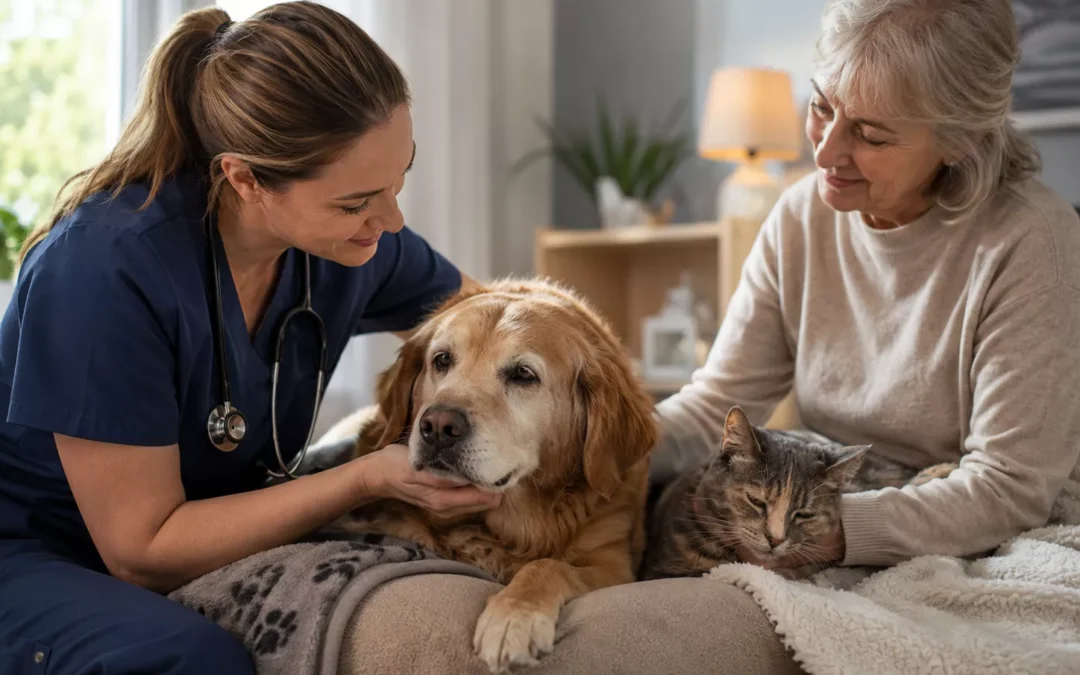
Pain management and palliative care are essential aspects of modern veterinary medicine, supporting pets throughout illness, injury, ageing, and end-of-life stages. Effective pain management begins with identifying and assessing pain through behavioural changes, physical signs, and clinical evaluation, as pets cannot communicate discomfort verbally. Veterinary professionals use this information to diagnose underlying conditions and select appropriate, individualised treatment plans that promote recovery, comfort, and quality of life.
Pain in dogs and cats can arise from a wide range of causes, including chronic conditions such as arthritis, spinal disease, dental problems, and neuropathic pain linked to the nervous system. Management strategies combine medications, supplements, and complementary therapies, applied carefully to ensure safety, particularly in cats and senior animals. Long-term conditions like osteoarthritis require a multimodal, lifelong approach involving weight management, activity control, medication adjustments, and regular reassessment to maintain mobility and comfort.
Post-surgical pain control is a critical component of successful recovery, achieved through structured perioperative pain management plans that integrate nerve blocks, analgesics, continuous infusions, and regular pain scoring. These protocols reduce discomfort, support healing, and minimise reliance on higher-risk medications.
Palliative care, also known as pet hospice, focuses on comfort and dignity when a cure is no longer possible. It prioritises pain relief, nutritional support, emotional well-being, and owner involvement to maintain the best possible quality of life during a pet’s final stages. Home-based palliative care further enhances comfort by delivering personalised veterinary support in a familiar environment, including guidance on medication, comfort measures, and at-home euthanasia when required.
As pain management transitions into end-of-life care, treatment decisions shift to reflect changing risk–benefit considerations, with an emphasis on meaningful pain control and mobility support. Early discussion with a veterinarian is vital whenever pain is suspected, as prompt intervention can prevent suffering, guide appropriate care, and support informed, compassionate decision-making for pets and their owners.
Table of Content
- What Is Pain Management in Pets?
- How Do Vets Recognise Pain in Pets?
- Common Causes of Pain in Dogs and Cats
- Pain Management Options for Pets
- Arthritis Management in Pets
- Post-Surgical Pain Control
- What Is Palliative Care for Pets?
- When Is Palliative Care Recommended?
- Supporting Quality of Life
- Home-Based Pain and Palliative Care
- When Pain Management Transitions to End-of-Life Care?
- When Should You Speak to a Vet About Pain?
What Is Pain Management in Pets?
Pain management in pets is a normal and essential part of treating animals in veterinary medicine. It involves evaluating the type and extent of pain shown by the animal to better understand the underlying physical problem and choose the right course of treatment. Effective pain management is crucial because it helps sick or injured pets recover more quickly. This process also includes assessing the animal’s medication regarding its suitability, manageability, and potential side effects.
Veterinarians often look to help manage pain associated with various issues, including:
- Chronic conditions such as osteoarthritis.
- Spinal pain resulting from degenerative disc disease, spondylosis, or spinal arthritis.
- Specific conditions like cystitis in cats.
How Do Vets Recognise Pain in Pets?
Vets recognise pain in pets primarily by assessing changes in general behaviour, observing physical presentation, and conducting assessments to determine the cause and suitable treatment. Since pets often suffer in silence and cannot verbally communicate their discomfort, vets rely on owners reporting the following behavioural and physical indicators of pain:
- Changes in general demeanour, such as a grumpy temperament, aggression, shaking, low posture, or flattened ears.
- Vocalisations, including crying or excessive panting.
- Mobility issues, such as lameness (limping), stiffness after rest, and a reluctance to exercise, play, or interact.
- Obsessive actions, such as excessive licking or scratching of a specific painful area.
- Loss of appetite.
Common Causes of Pain in Dogs and Cats
Common causes of pain in dogs and cats are varied and can stem from many different conditions, requiring prompt veterinary treatment.
Pain can be chronic and long-lasting, often resulting from persistent issues such as arthritis, dental issues, or chronic illness. Additionally, pain may be felt even in the absence of any identifiable noxious stimulus. In such cases, the animal may be experiencing neuropathic pain, where pathology exists in the central nervous system, causing the pet to perceive discomfort that is inappropriately excessive for the actual degree of inflammation or tissue trauma.
Pain Management Options for Pets
Pain management options for pets include various medications and complementary therapies tailored to the specific animal, such as dogs or cats, and the type of pain being addressed (e.g., chronic pain).
Specific treatments commonly used for pain relief in pets are:
- Pharmaceutical Medications: These include non-steroidal anti-inflammatory drugs (NSAIDs), narcotics, steroids, and nerve pain medicines.
- Natural Supplements: These can be used to support overall health and aid in pain relief.
- Human Medications (Vet-Prescribed): Vets may sometimes prescribe certain human medications, such as opioids, particularly for dogs, but these should only be administered under explicit professional guidance.
- Complementary Therapies: These are often used alongside medications to provide effective relief, particularly in managing challenges like chronic pain in cats.
Safety is a critical component of pet pain management, particularly when dealing with cats, where treatment requires stabilising the animal’s overall health, individualising drug doses, and closely monitoring for both improvement and adverse reactions. Pet owners must always consult their veterinarian before giving their dog or cat any medicine, and they should never administer drugs from a human medicine cabinet without veterinary instruction.
Arthritis Management in Pets
Arthritis management in pets involves treating a long-term, chronic condition that slowly worsens over time, requiring lifelong, sustained care to ensure the pet lives happily for many years after diagnosis.
Since osteoarthritis affects the patient as a whole, the management approach must be comprehensive, multimodal, and led by veterinarians utilising the latest research. Effective treatment focuses not only on the main problem (cartilage) but also on surrounding structures like joint capsules, ligaments, and muscles, ensuring continuous alleviation of associated pain. Management requires regular follow-up to gauge the success of therapy, re-evaluate, and add or modify treatments, such as changing medications, as indicated by the specific needs of the pet.
Effective arthritis management hinges on a careful balance of the following key components:
- Activity management and targeted muscle development.
- Nutrition and crucial weight management.
- Medications and pain relief options, which often require various modifications over time.
- Joint supplements.
Post-Surgical Pain Control
Post-Surgical Pain Control, often managed through a multimodal approach to perioperative pain management, is essential for improving surgical outcomes. This well-planned strategy integrates specific components such as regional nerve blocks, anxiolytics, and extended-release local anaesthetics to provide superior pain relief while minimising the patient’s dependence on opioids.
In addition to nerve blocks, various analgesic drugs are administered to ensure an appropriate level of comfort for the patient. These drugs can be provided in the hours following surgery, either at regular intervals or, in cases of extensive surgeries where a greater degree of pain is anticipated, as continuous infusions. Continuous infusions use special pumps to deliver a constant, weight-specific dose of medication. A crucial aspect of effective pain control involves incorporating regular pain scoring into assessments. Trained nurses and veterinarians examine the patient day and night to check if the pain relief protocol is working and ensure levels of relief are tailored to the individual, contacting the anaesthesia team for further recommendations if adjustments are needed.
What Is Palliative Care for Pets?
Palliative care for pets, also referred to as pet hospice or end-of-life care, is a specialised form of veterinary medicine focused on providing relief and maximising the comfort and quality of life for animals diagnosed with terminal, incurable, or life-limiting conditions. This care is typically recommended by veterinarians when attempts to cure a terminal illness have ceased, or when a condition is causing a significant decline in the pet’s well-being. It is important to note that palliative care is distinct from the long-term management of chronic diseases (such as diabetes or chronic kidney disease) that are not immediately life-limiting or terminal.
Key components of veterinary palliative care emphasise pet comfort and minimising stress, ensuring a peaceful transition during the animal’s final stages:
- Pain Management: Focusing on alleviating discomfort caused by the underlying illness.
- Nutritional Support: Ensuring appropriate intake and specialised diets to maintain strength and well-being.
- Emotional Well-being: Prioritising a calm, fear-free approach to minimise stress for the pet.
- Caregiver Support: Involving pet owners in creating a supportive environment at home is crucial for the pet’s comfort.
When Is Palliative Care Recommended?
Palliative care for pets is recommended when an aged or terminally ill pet is suffering, and a cure is no longer possible. This type of compassionate, dignified end-of-life care, often referred to as pet hospice, is a personal choice focused entirely on comfort and quality of life.
It is provided through the proper use of pain medications and dietary advice to make the pet’s final days or weeks more pleasant and comfortable. A vet trained in hospice care can help assess the pet’s comfort level and manage their pain. If the pet’s pain eventually cannot be controlled well, palliative care helps owners make the difficult, timely choice regarding euthanasia.
Supporting Quality of Life
Supporting quality of life is one of the primary benefits of owning companion animals, which provide emotional, social, and physical advantages often comparable to regularly meeting with friends and family.
The unconditional love and loyalty of a pet offer significant contributions to human well-being across all age groups. For older adults specifically, pet ownership provides essential social and emotional support, leading to reported reductions in stress and loneliness, an increase in activity, and an overall improvement in quality of life.
Specific ways that pets enhance human quality of life and well-being include:
- Decreasing stress and reducing feelings of loneliness.
- Improving heart health.
- Helping children develop crucial emotional and social skills.
- Increasing activity levels.
- Providing a strong connection that correlates with lower reported rates of depression, particularly among older adults.
Home-Based Pain and Palliative Care
Home-based pain and palliative care is compassionate veterinary care delivered where it matters most at home, designed to support pets and their families with dignity and kindness during their final chapter. This specialised approach ensures that the end-of-life process is not cold, clinical, or rushed, implementing individualised care plans through home visits to manage senior pet comfort and address their pain and needs.
Key services and techniques adapted for the home setting often include:
- Quality of life assessments and exploration of palliative options.
- Nurse-led senior clinics and veterinary home visits to implement individualised care plans.
- Guidance on medication administration, feeding support, and specific comfort techniques.
- Support in preparing for and performing gentle, at-home euthanasia.
- Cremation services reduce stress for both pets and people.
When Pain Management Transitions to End-of-Life Care?
Pain management transitions to end-of-life care by becoming a central and specialised focus within hospice and palliative planning, though general pain management protocols are not reserved exclusively for terminal scenarios but are vital for improving the comfort and quality of life in senior pets.
When managing pain for terminal illnesses such as cancer or organ failure, veterinary professionals implement pain management protocols that require a thoughtful, personalised blend of standardised guidelines, consistent monitoring, and both pharmacological and non-pharmacological interventions to provide meaningful relief. The transition to the end-of-life stage significantly changes the risk–benefit analysis for certain medications; thus, treatment plans may utilise medications that are less frequently seen in general practice. Effectively controlling pain and addressing mobility difficulties during the final weeks is critical, as uncontrolled pain is one of the most common factors leading to the decision for euthanasia.
When Should You Speak to a Vet About Pain?
You should speak to a veterinarian about pain whenever your pet is exhibiting discomfort or pain in order to figure out the underlying problem. If your dog or pet is in severe pain or displays accompanying symptoms, you should seek immediate veterinary attention, as severe pain often indicates a serious problem that could constitute an emergency, even if the cause is not obvious.
For minor issues, such as a sudden, slight limp with no other signs of injury, it may be wise to first rest the dog for one day, restricting activity to short lead walks and avoiding any running or jumping. However, if the limping still persists after a day’s rest, or if you notice any sudden change in your dog’s gait, they should see a vet.
Seek urgent veterinary attention if you observe any of the following severe signs related to lameness or injury:
- Any swelling or change in the shape of the leg or foot.
- Cuts or lesions to the leg or foot.
- Lameness combined with obvious pain (such as whining, hiding, intolerance, or lack of appetite).
- Lameness combined with laboured or fast breathing.
- A broken nail, sore-looking pads or toes, or lumps on the leg or foot.