
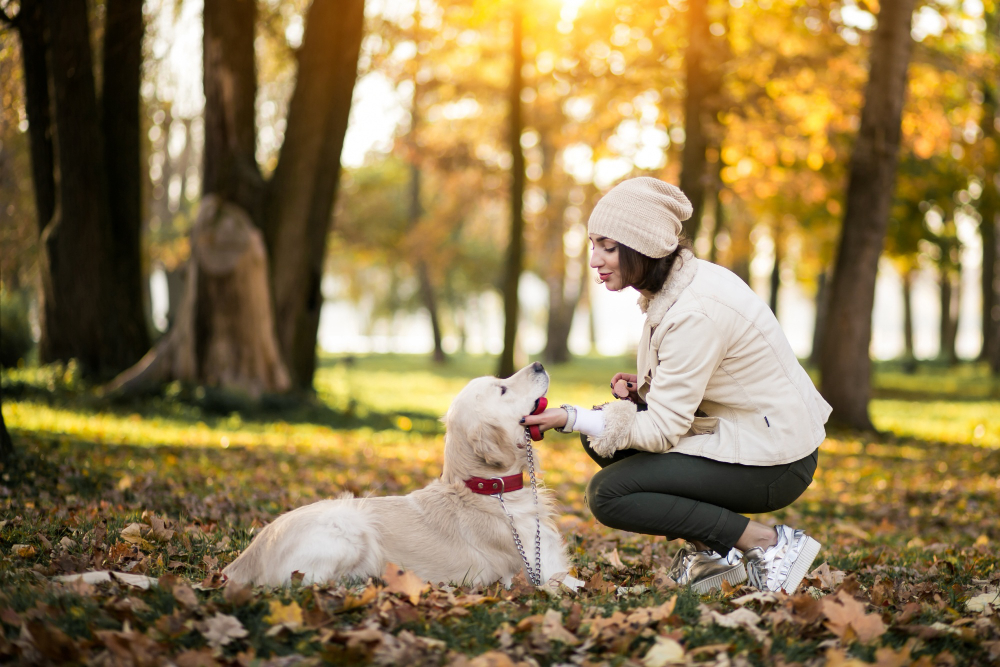
Pets face different health challenges as the seasons change. From springtime allergens like grass and pollen to summer hazards such as heatstroke or blue-green algae, each part of the year brings its own health threats. Autumn walks may expose dogs to harvest mites or Seasonal Canine Illness (SCI), a rare but potentially serious condition linked to woodland exposure. In winter, cold weather and festive toxins such as chocolate or antifreeze increase risk, especially in senior pets.
Early recognition of seasonal symptoms like vomiting, itching, lethargy, or diarrhoea is crucial. These could indicate anything from tick-borne illness to allergic reactions or toxicity. Left unchecked, minor signs can escalate into emergency conditions.
At ASL Vets, we provide season-specific veterinary care supported by clinical diagnosis, owner education, and preventive treatment plans tailored to the time of year. Whether managing flea infestations in spring, heat-related emergencies in summer, or offering wellness checks for older pets in winter, our team supports proactive health monitoring to help your pet stay safe through every seasonal shift.
What Illnesses Are Common in Spring?
Spring marks a seasonal shift that brings warmth, growth, and a spike in pet health risks. The rise in temperature, humidity, and plant activity leads to increased exposure to pollen, parasites, and sharp grass seeds. These environmental changes trigger common conditions in both dogs and cats, including skin allergies, tick-borne diseases, and soft tissue injuries. Understanding these spring-specific threats and acting early with preventive treatments is essential for protecting your pet’s well-being.
Allergies: Pollen and Grasses
Cause: Increased airborne allergens such as tree pollen, grass pollen, mould spores, and dust. Pets absorb allergens through their skin, nose, and paws during outdoor activities.
Symptoms:
- Persistent scratching and licking
- Sneezing, watery or red eyes
- Inflammation in ears or paw pads
- Recurrent skin or ear infections
Important: Unlike humans, pets often display allergies through skin-related symptoms rather than sneezing alone. These can lead to chronic dermatitis if untreated. Veterinary diagnosis is recommended to distinguish between environmental and food allergies. Early management helps prevent secondary bacterial or yeast infections.
Parasites (Fleas, Ticks, etc.)
Cause: Warmer spring temperatures create ideal breeding conditions for parasites like fleas, ticks, and mites. Outdoor exposure increases risk, especially in grassy or wooded areas.
Symptoms:
- Itching, scabs, flea dirt on coat
- Ticks attached to skin (ears, armpits, paws)
- Red or irritated skin
- Fever, lethargy, or limping (tick-borne illness symptoms)
Prevention:
- Start monthly flea and tick preventatives before infestations begin
- Perform tick checks after every walk
- Use vet-prescribed treatments tailored to cover emerging threats, including mites and lice
- Maintain indoor hygiene to break flea life cycles
Lungworm
Cause: Dogs ingest infected slugs or snails, often accidentally while drinking from puddles, licking toys, or eating grass. Lungworm larvae migrate through the body, affecting lungs and blood vessels.
Symptoms:
- Coughing or wheezing
- Exercise intolerance or fatigue
- Abnormal bleeding or bruising
- Vomiting, weight loss, or neurological signs in severe cases
Prevention:
- Avoid allowing dogs to eat grass, drink from puddles, or chew on garden toys
- Keep gardens clean of slugs/snails
- Use lungworm-specific parasite treatments, as not all wormers protect against it
- Ask your vet to include lungworm in your pet’s seasonal parasite control plan
Spring Fever
Cause: Increased daylight, temperature, scents, and activity outside stimulate dogs’ natural instincts to explore. A shift in routine and energy levels may cause behavioural changes.
Symptoms:
- Restlessness, pacing, or excessive excitement
- Ignoring recall commands or attempting to escape
- Increased vocalisation or destructive behaviour indoors
- Jumping fences or chasing wildlife
Management:
- Reinforce training, especially recall and leash control
- Increase exercise gradually to match activity level
- Provide enrichment (puzzle feeders, scent games)
- Use safe outdoor areas for off-lead time
- Monitor for signs of overheating or fatigue
Grass Seed Injuries in Paws and Ears
In spring and early summer, grass seeds can lodge in soft tissue and lead to infection.
Watch for:
- Limping, paw chewing, or swelling
- Head shaking or scratching at ears
- Visible discharge or sensitivity to touch
Care Tip: Inspect paws, ears, and underarms after each walk. If symptoms persist or if a seed is embedded, seek veterinary removal to avoid deeper tissue damage or abscesses.
By the time symptoms appear, a parasite problem is often already advanced. Spring is the optimal time to begin protection, before populations surge in late spring and summer. Preventive medications are more effective when used consistently and ahead of exposure. At ASL Vets, we offer tailored parasite prevention plans based on your pet’s lifestyle, age, and environment, covering fleas, ticks, worms, and lungworm with the right treatment at the right time.
What Health Risks Do Pets Face in Summer?
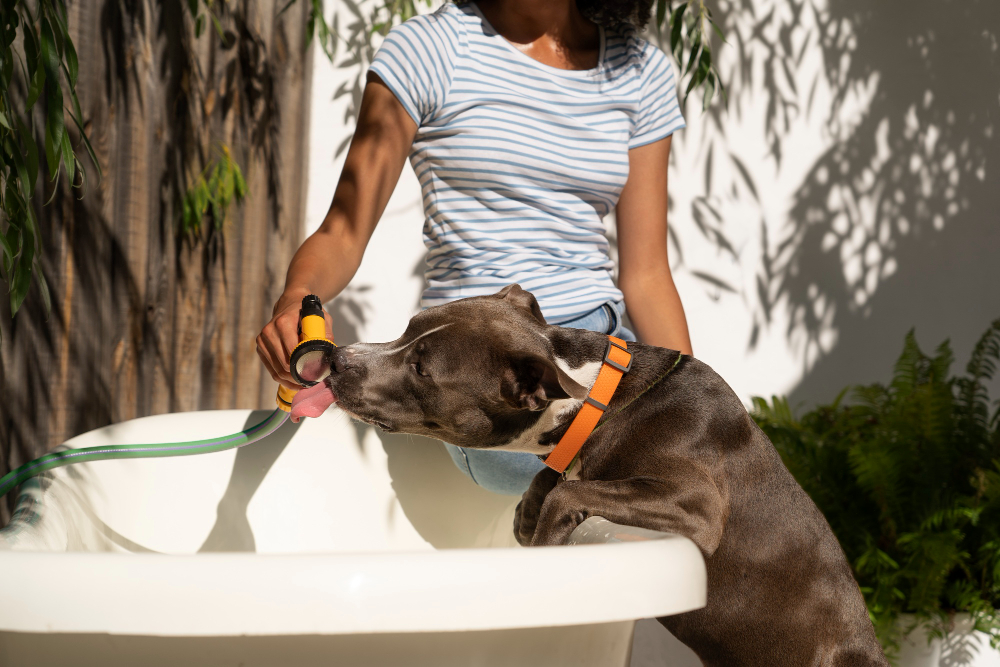
Summer is a wonderful time to enjoy the outdoors with your pet, but it also introduces specific health risks. As temperatures soar, pets are more susceptible to heatstroke, dehydration, and sunburn, as well as parasites like fleas, ticks, and lungworm. Additionally, blue-green algae in water bodies and other environmental hazards can pose significant threats to your pet’s health. Early recognition and preventive measures can keep your pet safe and comfortable throughout the hot summer months.
Heatstroke and Dehydration
Heatstroke
Cause: Pets are unable to sweat like humans, which makes it harder for them to regulate their body temperature. Heatstroke happens when a pet’s body temperature exceeds 104°F (40°C), often due to excessive heat, exercise, or dehydration.
Prevention:
- Provide fresh, cool water at all times
- Limit outdoor activities during the hottest part of the day (10 AM to 4 PM)
- Never leave pets in cars, even with the windows open
- Offer shaded areas and cooling mats for your pet
- Monitor for early signs of heat distress
Dehydration
Cause: Dehydration occurs when pets lose more fluids than they can take in, especially in hot weather or after exercise.
Prevention:
- Always provide fresh water
- Offer cooler environments and regular water breaks during outdoor play
- Monitor your pet for signs of dehydration, especially in the heat
Symptoms of Heatstroke and Dehydration:
- Excessive panting, drooling, and agitation
- Dry, pale gums or bright red tongue
- Vomiting or diarrhoea
- Rapid heartbeat and laboured breathing
- Collapse or seizures (in severe cases)
Quick Action: If your pet shows signs of heatstroke, move them to a cool place, dampen their coat with cool (not cold) water, and offer small sips of water. Seek immediate veterinary care for serious heat-related conditions.
Sunburn
Cause: Pets with light-colored fur, thin coats, or hairless breeds are more prone to sunburn, especially on exposed areas like the ears, nose, and belly.
Prevention:
- Apply pet-safe sunscreen to exposed skin, especially on noses, ears, and bellies
- Limit direct sun exposure during peak sun hours (10 AM to 4 PM)
- Provide shaded spots and indoor areas for pets to cool off
Insect Bites and Stings
Cause: Insects like bees, wasps, mosquitoes, and ticks are more active during summer, putting pets at risk for bites and stings.
Prevention:
- Use pet-friendly insect repellents
- Be cautious around beehives or wasp nests
- Inspect your pet’s coat after outdoor activities for ticks
- Remove ticks immediately using a tick-removal tool (available from your vet)
Other Hazards
Bones and Intestinal Blockages
Cause: Pets, particularly dogs, may ingest bones, corn cobs, or other foreign objects during outdoor activities. These can cause blockages in the digestive tract, leading to vomiting, pain, or serious surgery.
Prevention:
- Keep small bones, corn cobs, and other dangerous foods away from pets
- Supervise your pet while eating, especially during outdoor meals
- Monitor for signs of discomfort after eating
Toxic Substances
Cause: Pets may be exposed to toxic plants, fertilizers, pesticides, or chemicals in the garden or around the home.
Prevention:
- Keep toxic plants (like lilies or foxglove) out of reach
- Use pet-safe fertilizers and pesticides
- Ensure pets stay away from garden chemicals and clean paws after walks
Barbecues and Outdoor Dining
Cause: Hot surfaces, toxic foods (like chocolate, grapes, onions), and sharp objects like kebab skewers can harm pets.
Prevention:
- Keep pets away from barbecue grills and hot surfaces
- Keep toxic foods out of reach and avoid feeding pets table scraps
- Monitor food and drink around pets during outdoor dining
Water Hazards
Cause: Swimming pools, ponds, lakes, and rivers can be dangerous due to contaminants, strong currents, or blue-green algae.
Prevention:
- Always supervise pets near water
- Do not allow pets to drink from stagnant water or swim in contaminated lakes or ponds
- Rinse pets thoroughly after swimming to remove chlorine, salt, or bacteria
- Look out for algae warnings and keep pets away from infected areas
Hot Pavement
Cause: Hot surfaces can burn your pet’s paws. Pavement, sand, and artificial grass absorb heat and can get dangerously hot under the sun.
Prevention:
- Follow the seven-second rule: If you can’t hold your hand against the surface for seven seconds, it’s too hot for your pet
- Walk pets in the early morning or late evening
- Keep to grass or shaded areas during hot days
Cars
Cause: Temperatures inside a parked car can rise rapidly, causing heatstroke. Never leave pets in cars, even with the windows cracked.
Prevention:
- Never leave pets unattended in cars, even for short periods
- Always carry pets with you or leave them at home in a cool, shaded environment
Signs of Overheating in Pets
Symptoms of Heatstroke and Overheating:
- Excessive panting and drooling
- Bright red gums and tongue
- Vomiting and diarrhoea
- Restlessness or agitation
- Rapid heartbeat or laboured breathing
- Collapse or seizures (in severe cases)
Important Considerations:
- Brachycephalic breeds (e.g., Bulldogs, Pugs) are at higher risk due to difficulty breathing
- Elderly or young pets are more vulnerable to heat-related illnesses
- Obese pets and those with dark fur may struggle to cool down
Quick Action: If you suspect your pet is overheating, move them to a cool place, dampen their coat with cool (not cold) water, and offer them small sips of water. Seek immediate veterinary care for serious symptoms of heatstroke.
Summer Safety Tips for Pets
- Provide fresh water and shade throughout the day
- Never leave pets in cars, even with the windows open
- Monitor pets closely for signs of overheating or dehydration
- Check paws for burns after walking on hot pavement
- Watch for ticks, fleas, and other parasites
- Avoid stagnant water bodies and algae-contaminated water
Heatstroke is a serious medical emergency. If your pet shows signs of excessive panting, drooling, or vomiting in hot weather, act immediately by moving them to a cool environment, applying cool water to their coat, and offering them water. Seek veterinary care right away, as delaying treatment can lead to life-threatening conditions.
What Are the Dangers for Pets in Autumn?
As the cooler autumn months roll in, pets face a new set of risks that can impact their health. Autumn provides plenty of opportunities for outdoor adventures with your pet, but it also brings dangers like harvest mites, conker and acorn toxicity, and the increased risk of paw infections from muddy walks. Being aware of these autumnal hazards can help ensure that your pet remains safe and healthy throughout the season. Here’s a breakdown of the key risks and how to protect your pet this autumn.
Harvest Mites
Cause: Harvest mites are tiny, orange pests that become active during autumn. They can often be found in grassy, wooded areas, where they attach to your pet’s skin and cause irritation.
Symptoms:
- Excessive scratching and biting
- Red, inflamed skin, particularly on the belly, legs, and paws
- Hair loss or scabs in the affected areas
Prevention:
- After walks in grassy areas, inspect your pet’s skin for mites and remove them promptly
- Bathe your pet after exposure to areas likely infested with harvest mites
- Keep pets away from long grasses where mites are most active
Conker and Acorn Toxicity
Cause: Acorns and conkers contain toxins, such as tannins (in acorns) and aesculin (in conkers), which can cause significant health issues if ingested. Green acorns, in particular, have higher concentrations of tannins and are more toxic than brown ones.
Symptoms:
- Vomiting and diarrhoea
- Lethargy and weakness
- Abdominal pain or bloating
- Choking or digestive blockages (especially from conkers)
Prevention:
- Avoid areas where acorns or conkers are falling
- Supervise pets during outdoor walks and prevent them from chewing on fallen nuts
- If ingestion is suspected, contact your vet immediately for advice and treatment
Muddy Walks Leading to Paw Infections
Cause: Autumn rains often lead to muddy conditions, which can cause bacterial or fungal infections on your pet’s paws. Pets are especially susceptible to infections if they walk through wet, contaminated areas.
Symptoms:
- Limping or reluctance to walk
- Red or inflamed paws with signs of infection
- Excessive licking or chewing of the affected paws
- Discharge from the paws or between the toes
Prevention:
- Check paws after every walk and clean them thoroughly
- Dry and disinfect paws after walks in wet conditions to prevent infections
- Keep your pet’s paws dry, and consider using paw protection products during muddy walks
Other Autumn Hazards
Fallen Fruits
Cause: Fallen fruits like apples, plums, and cherries may contain toxic seeds or pits that can cause digestive upset or poisoning.
Prevention:
- Keep pets away from fallen fruits
- Remove seeds or pits before allowing pets to eat fruit
Fireworks
Cause: Fireworks season, especially around Bonfire Night and Diwali, can cause fear and anxiety in pets due to loud noises.
Prevention:
- Create a safe, quiet space for pets during fireworks displays
- Use calming products or distractions like music to reduce stress
Parasitism
Cause: Autumn marks the continuation of tick and flea activity, and some parasites like lungworm are more prevalent during this time.
Prevention:
- Keep up with monthly flea and tick treatments
- Inspect pets after walks, especially in woodland or grassy areas
Seasonal Allergies
Cause: Pollen and other allergens in the autumn can cause skin and respiratory reactions.
Symptoms:
- Itchy skin, sneezing, or coughing
- Red eyes or excessive licking
Prevention: - Consult your vet if your pet shows signs of allergies
- Keep pets indoors during high-pollen days
Candles
Cause: Lit candles can be knocked over by curious pets, causing burns or fire hazards.
Prevention:
- Keep candles out of pets’ reach
- Use electric candles for a safer alternative
Fallen Leaves
Cause: While fallen leaves can be fun to play in, they can also hide sharp objects or fungi, which may be harmful if ingested.
Prevention:
- Keep pets from eating leaves or unknown objects
- Inspect your pet’s paws after leaf piles or walks in wooded areas
Halloween
Cause: Halloween festivities bring stress and toxic foods (e.g., chocolate, raisins) into homes.
Prevention:
- Keep Halloween candy and decorations out of reach
- Make sure pets are comfortable with costumes and noise
Halloween Candy
Cause: Chocolate and sweets like raisins are toxic to pets.
Prevention:
- Keep chocolates and sweets away from pets
- Be vigilant during trick-or-treating when sweets are abundant
Leaf Piles
Cause: While fun to jump in, leaf piles can hide dangerous objects or insects, leading to potential injuries or bites.
Prevention:
- Inspect leaf piles for sharp objects or pests before allowing pets to play in them
Darker Evenings
Cause: As days get shorter, pets may be harder to spot during walks, increasing the risk of accidents.
Prevention:
- Use reflective collars and LED lights for better visibility
- Always walk pets in well-lit areas
Mothballs
Cause: Mothballs are toxic if ingested and can cause poisoning, especially in small pets.
Prevention:
- Store mothballs in secure places where pets cannot reach them
- Consult your vet if you suspect ingestion
Mushrooms and Toadstools
Cause: Wild mushrooms and toadstools can be highly toxic to pets, causing severe reactions, even death.
Prevention:
- Avoid areas with unknown fungi
- If ingestion occurs, contact your vet immediately
School Supplies
Cause: Glue, paints, and school supplies like pens or markers can be harmful if ingested by curious pets.
Prevention:
- Store school supplies and other potential toxins out of pets’ reach
Rodent Poison
Cause: Rodent poison can be attractive to pets due to its smell and taste, butit is highly toxic if ingested.
Prevention:
- Keep rodent poison in secure, locked places
- Consult a vet if you suspect your pet has ingested poison
Tips for Keeping Your Pet Safe This Autumn
- Check paws regularly after walks to ensure they are clean and free from infections or injuries
- Watch for upset stomachs or signs of toxicity if your pet has ingested something hazardous
- Ensure that Halloween candy, mothballs, and toxic plants are kept safely out of your pet’s reach
- Monitor for signs of allergies and parasitic infections
- Use reflective gear to ensure your pet is visible during darker evenings
- Schedule a General Consultation with your vet to keep your pet’s health in check during autumn
Autumn brings about new risks, and it’s essential to stay ahead by regularly checking your pet’s health. Book a General Consultation with your vet to keep your pet protected and receive timely guidance on managing autumnal health risks.
How Does Winter Affect Pet Health?
Winter can have a significant impact on pet health, exposing them to various risks, including hypothermia, frostbite, arthritis flare-ups, anti-freeze poisoning, and other cold-related issues. Proper care and preparation can help protect your pets from these seasonal dangers. Some of the winter risks for pets are:
Hypothermia and Frostbite
Hypothermia
Cold temperatures can cause pets to lose body heat faster than they can generate it, leading to hypothermia. This is especially true for small, short-haired, or elderly pets.
Frostbite
Frostbite occurs when body tissues, especially on extremities like the ears, paws, and tail, freeze due to prolonged exposure to cold. It can cause severe damage to these tissues.
Signs:
- Shivering or trembling
- Lethargy and weakness
- Pale, greyish, or bluish skin
- Cold to the touch, particularly on extremities
- Slowed breathing and heart rate
Prevention:
- Limit outdoor exposure in extreme cold.
- Dress pets in protective clothing and ensure they are in a warm environment immediately after outdoor activities.
Respiratory Issues
Cold Air
The dry, cold air in winter can irritate the respiratory system of your pet, leading to issues such as asthma or bronchitis, especially in pets with pre-existing conditions.
Increased Risk of Infection
Cold weather weakens the immune system, making pets more susceptible to respiratory infections and colds.
Prevention:
- Keep pets in a warm environment.
- Limit outdoor exposure, especially during windy or snowy conditions.
- Ensure regular vet check-ups to manage pre-existing conditions.
Arthritis and Joint Pain
Stiff Joints
In colder temperatures, pets with arthritis or joint issues may experience increased stiffness and pain, making movement more difficult.
Reduced Mobility
Pets with arthritis may have reduced mobility, making it harder for them to move around freely, especially on slippery surfaces like ice or snow.
Prevention:
- Provide warm bedding and soft cushions for resting.
- Encourage gentle, low-impact exercise to keep joints flexible.
- Consult your vet for joint care options, such as supplements or pain relief treatments.
Other Winter Hazards
Antifreeze
Antifreeze (ethylene glycol) is extremely toxic to pets and can cause severe kidney damage or even death if ingested. Pets are attracted to the sweet taste of antifreeze, making it especially dangerous during winter.
Snow and Ice
Snow and ice can lead to paws being damaged, causing dryness, cracking, and irritation. Additionally, the salt used to melt ice on sidewalks can be harmful if ingested.
Changes in Appetite and Metabolism
Cold weather can lead to reduced activity levels and changes in appetite. Some pets may eat less due to a slower metabolism, while others may eat more to maintain body warmth.
Dehydration
Winter heating can cause dry air, leading to dehydration in pets, even if they are not as thirsty in the colder months. Pets may not drink as much water when the temperatures drop.
Increased Risk of Slipping and Falling
Ice and snow increase the risk of falls, especially for pets with joint pain or older pets, leading to potential injuries.
Prevention:
- Clean your pet’s paws after walks to remove any salt or ice buildup.
- Provide fresh water at all times, even if your pet seems less thirsty.
- Use pet-safe de-icers on your property and ensure your pet doesn’t eat snow or ice from the ground.
Specific Considerations
Older Pets
Older pets are more susceptible to hypothermia, arthritis, and other winter-related illnesses. They may also struggle more with movement and discomfort caused by the cold.
Short-haired Pets
Pets with shorter coats have less natural insulation and are more vulnerable to cold temperatures. They may require additional warmth in the form of coats or sweaters.
Small Pets
Small pets, due to their size, have a larger surface area relative to their mass, making them more prone to heat loss. They may also need extra protection from the cold, especially when outside.
Prevention:
- Ensure older pets have warm bedding and a comfortable indoor space.
- Provide protective clothing for small and short-haired pets when outdoors.
- Be mindful of their activity levels, shortening walks when the weather is extremely cold.
Before winter sets in, it’s a good idea to schedule a winter wellness check-up for your pets. This ensures that any winter-related risks, like arthritis or respiratory issues, are managed, and your pet is as healthy as possible for the colder months.
How Can You Protect Pets from Seasonal Illnesses?
Protecting pets from seasonal illnesses requires consistent year-round care tailored to changing environmental risks. From spring allergens to winter chills, proactive routines reduce vet emergencies and support long-term health.
Routine Flea and Worm Treatments
- Apply vet-approved parasite control monthly to prevent fleas, ticks, and worms.
- Monitor for lungworm risks in wet months, especially from slug and snail contact.
- Maintain clean indoor environments and wash bedding regularly.
- Reassess treatments each season based on parasite prevalence in your area.
Regular Wellness Exams
- Schedule quarterly or seasonal vet checks to catch early signs of disease.
- Use winter check-ups to review arthritis or heart health, especially in older pets.
- In spring and autumn, evaluate skin, ears, and GI health due to allergy triggers.
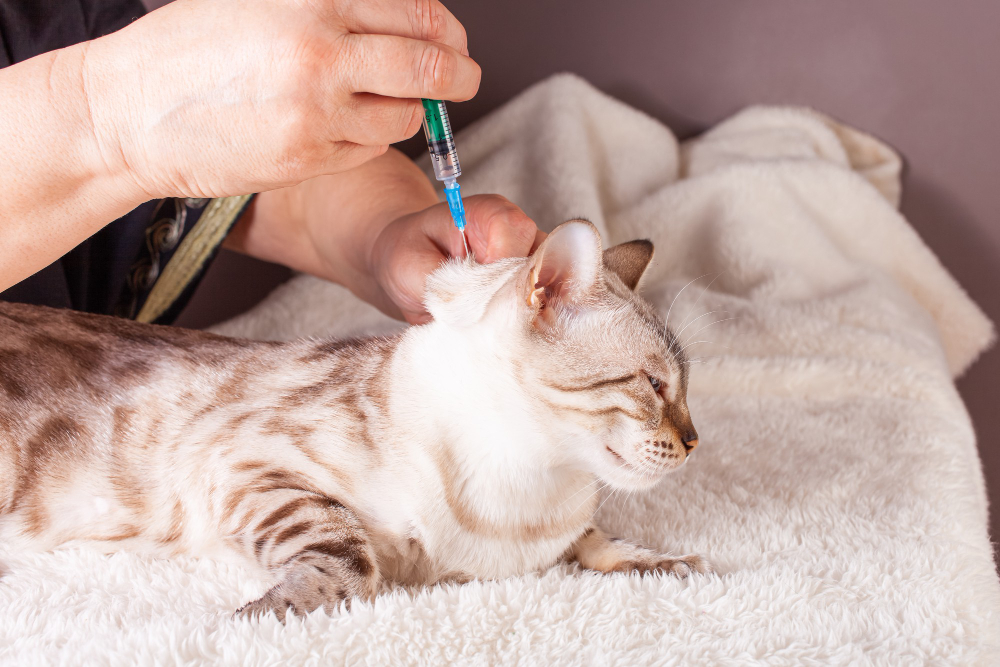
- Ask about season-specific vaccinations and weight management support.
Seasonal Diet Adjustments
- Increase calories in winter for outdoor pets or high-energy breeds.
- Reduce food volume in hot months to prevent obesity from lower activity.
- Introduce omega fatty acids to boost coat health during drier indoor seasons.
- Monitor appetite changes that may signal illness or seasonal stress.
Grooming to Spot Skin Issues Early
- Brush pets regularly to check for fleas, ticks, and skin infections.
- During winter, grooming helps remove dead skin caused by indoor heating.
- In spring and summer, it clears pollen, seeds, and mats from the coat.
- Clean and trim paw fur to reduce ice, mud, and parasite exposure.
Prompt Vet Visits for New Symptoms
- Act fast on signs like itching, coughing, limping, or vomiting.
- Sudden behavioural changes or lethargy often signal underlying seasonal illness.
- Early treatment lowers the risk of complications from parasites, infections, or toxins.
- Keep emergency contact details ready, especially in extreme weather months.
Winter Protection
Vaccinations:
- Ensure boosters are current, especially for respiratory illnesses like kennel cough.
- Discuss flu and leptospirosis vaccines with your vet if your pet goes outdoors often.
Warmth and Shelter:
- Provide an insulated, dry shelter if pets must stay outdoors.
- Line beds with thick, moisture-resistant bedding and raise them off cold floors.
Coat Care:
- Avoid trimming long fur; brushing helps distribute oils and prevent dry skin.
- For short-haired breeds, use pet jackets or jumpers in freezing temperatures.
Paw Care:
- Wipe paws after walks to remove salt, grit and de-icers.
- Apply paw balms to prevent cracking and protect from frost.
Hydration:
- Provide non-frozen water indoors and out.
- Use pet-safe heated bowls or refresh water frequently in freezing conditions.
Summer Protection
Heatstroke Prevention:
- Avoid walking during peak heat hours.
- Never leave pets in parked cars; even a few minutes can be fatal.
Dehydration:
- Ensure constant access to cool, clean water.
- Carry a portable water bowl on walks.
Parasite Prevention:
- Fleas, ticks and mosquitoes thrive in warm months—apply monthly treatments.
- Discuss heartworm prevention for dogs in high-risk areas.
Hygiene:
- Bathe pets with mild, vet-recommended shampoos after outdoor activities.
- Clean food and water bowls daily.
Picnic Safety:
- Keep pets away from toxic foods like grapes, onions, chocolate and alcohol.
- Watch for BBQ skewers, bones or food scraps that pose choking or digestive risks.
General Tips
Routine Vet Visits:
- Book seasonal check-ups to track weight, heart, dental, and parasite health.
- Early detection of issues reduces treatment costs and recovery time.
Monitor Behaviour:
- Watch for lethargy, limping, scratching, appetite loss or any sudden change.
- Behavioural shifts often precede physical symptoms.
Hand Hygiene:
- Wash your hands after handling pets, especially after walking or cleaning litter trays.
- Prevents the spread of zoonotic diseases between humans and animals.
Quarantine:
- Isolate pets showing signs of contagious illness from others at home.
- Clean toys, bedding, and bowls during outbreaks.
Safe Outdoor Environments:
- Avoid stagnant water, litter, and areas with wildlife droppings or toxic plants.
- Secure gardens with pet-safe fencing and avoid chemical treatments.
Preventive Care Services at ASL Vets
ASL Vets supports every season with tailored Preventive Care Plans. Services include:
- Year-round parasite control
- Winter arthritis assessments
- Spring allergy monitoring
- Seasonal vaccinations and wellness blood checks
Frequently Asked Questions about Seasonal Pet Illnesses
What is a seasonal dog illness?
A seasonal dog illness is a health condition triggered by environmental changes like weather, allergens, or parasites that occur in specific seasons.
What are seasonal allergies to pets?
Seasonal allergies in pets are immune responses to airborne allergens like pollen, grass, or mould, causing itching, sneezing, or skin irritation.
Can pets get seasonal affective disorder?
Some pets may show signs of low mood or reduced activity in darker months, similar to seasonal affective disorder in humans.