
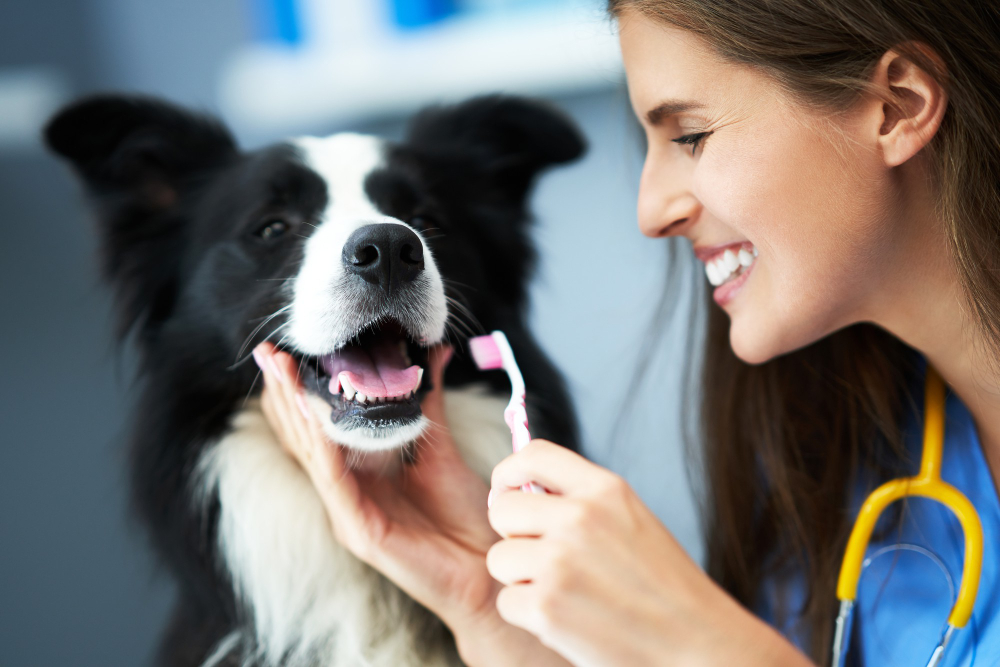
Pet dental hygiene covers regular care for a pet’s teeth, gums, and mouth. It includes daily brushing, vet dental checks, professional cleaning, and safe dental products. Good oral care reduces plaque, tartar, bad breath, gum disease, mouth pain, and tooth loss.
Plaque forms as a soft film on the teeth after eating. Tartar forms when plaque hardens and collects near the gum line. This build-up irritates the gums and leads to gingivitis, periodontal disease, infection, and eating problems. Poor dental health also affects comfort, chewing, and overall health.
A pet dental hygiene check lets a vet assess the teeth, gums, breath, bite, and signs of pain. The vet looks for tartar, red gums, broken teeth, loose teeth, gum pockets, and hidden infection. Dental X-rays help find problems under the gum line, including root infection, bone loss, abscesses, and tooth damage.
Professional dental cleaning is needed when brushing no longer removes the build-up. Most deep dental cleans need general anaesthesia because the vet needs to clean below the gum line, polish the teeth, check each tooth, and protect the pet’s airway safely.
Home care remains essential between vet visits. Daily tooth brushing with pet-safe toothpaste gives the best protection. Dental chews, dental diets, water additives, oral gels, and dental sprays support oral hygiene, but they do not replace brushing or vet checks.
A vet visit is urgent when a pet has mouth pain, swelling, bleeding, broken teeth, loose teeth, drooling, strong bad breath, or sudden eating problems. ASL Vets supports pet dental hygiene through dental checks, dental procedures, cleaning, and home care advice for dogs, cats, and other pets in Billericay, Essex.
Table of Contents
- What Is Pet Dental Hygiene?
- Why Is Dental Hygiene Important for Dogs and Cats?
- What Happens During a Pet Dental Hygiene Check?
- When Does a Pet Need Professional Dental Hygiene Cleaning?
- What Is Plaque, Tartar, and Gum Disease for Pet Dental Hygiene?
- Does Pet Dental Hygiene Cleaning Need Anaesthesia?
- Are Dental Hygiene X-Rays Needed for Pets?
- How Often Should Pets Have Dental Hygiene Checks?
- How Do You Brush a Dog's or Cat's Teeth at Home?
- Which Dental Hygiene Chews, Diets, and Products Help?
- When Should You Contact a Vet Urgently for Pet Dental Hygiene?
- How ASL Vets Helps With Pet Dental Hygiene Care
What Is Pet Dental Hygiene?
Pet dental hygiene means regular care for a pet’s teeth, gums, and mouth. It includes home care, vet checks, and professional dental cleaning. Good dental care helps reduce plaque, tartar, bad breath, sore gums, tooth pain, and gum disease. Plaque is a soft film that forms on teeth after eating. Tartar forms when plaque hardens. Tartar then irritates the gums and raises the risk of infection. Poor dental hygiene also affects eating, chewing, comfort, and general health.
Daily tooth brushing gives the best home protection. A pet-safe toothbrush and animal toothpaste are needed, as human toothpaste is unsafe for dogs and cats. Dental chews, dental diets, and water additives support mouth care, but they do not replace brushing or vet checks.
A vet dental check looks at the teeth, gums, breath, bite, and signs of pain. Professional dental cleaning removes plaque and tartar from the tooth surface and below the gum line. Pets often need anaesthesia for deep cleaning, safe scaling, polishing, and a full mouth check.
Why Is Dental Hygiene Important for Dogs and Cats?
Dental hygiene is important for dogs and cats because it protects their teeth, gums, and overall health. Plaque builds up on the teeth after eating. If it is not cleaned away, it hardens into tartar. Tartar then irritates the gums and leads to gingivitis and periodontal disease.
Poor dental care causes pain, bad breath, sore gums, and tooth loss. Many dogs and cats hide mouth pain, so signs may look small at first. A pet may drop food, chew on one side, eat less, drool more, or seem tired. Red gums, bleeding gums, yellow teeth, and strong breath are common warning signs.
Dental disease also affects more than the mouth. Bacteria from infected gums may enter the blood and add strain to the heart, liver, and kidneys. Regular brushing, pet-safe dental products, dental diets, and vet checks help lower this risk. Good pet dental care keeps dogs and cats more comfortable, helps them eat well, and supports a healthier life.
What Happens During a Pet Dental Hygiene Check?
A pet dental hygiene check is a full mouth check carried out by a vet or veterinary nurse. The vet looks at the teeth, gums, breath, bite, and signs of pain. The aim is to find plaque, tartar, gum swelling, loose teeth, broken teeth, and hidden infection. Before a deep clean, the vet checks the pet’s general health. Blood tests may be advised before a general anaesthetic, mainly for older pets or pets with health problems. Anaesthetic keeps the pet still, safe, and pain-free during the dental check and cleaning.
The vet then checks each tooth and records the findings on a dental chart. A small probe measures the gum line and checks for deep pockets around the teeth. These pockets show where gum disease has damaged the tissue around the tooth. Dental X-rays may be taken to check the tooth roots and jawbone below the gum line. Many dental problems sit under the gums, where they are not easy to see during a normal mouth check.
The cleaning stage removes plaque and tartar from the teeth and below the gum line. The teeth are then polished to make the surface smoother. This helps slow new plaque build-up. If a tooth is badly damaged, infected, or loose, the vet discusses treatment or removal. The pet is then monitored during recovery until it is safe to go home.
When Does a Pet Need Professional Dental Hygiene Cleaning?
A pet needs professional dental hygiene cleaning when plaque and tartar cannot be removed by brushing at home. Most dogs and cats need a dental check every 6 to 12 months. Many pets start needing closer dental care from around 3 years old, when tartar and gum disease become more common.
A vet may advise a dental cleaning sooner if the pet has bad breath, yellow or brown tartar, red gums, bleeding gums, loose teeth, or pain when eating. Other warning signs include drooling, dropping food, chewing on one side, pawing at the mouth, or rubbing the face on the floor.
Some pets need dental cleaning more often. Small dog breeds, older pets, pets with crowded teeth, and pets with past gum disease have a higher risk of fast tartar build-up. Wet food diets and missed brushing also raise the need for regular dental checks. Professional cleaning removes plaque and tartar from the teeth and below the gum line. This helps protect the teeth, gums, and overall health. Regular vet checks help decide the safest timing for each pet.
What Is Plaque, Tartar, and Gum Disease for Pet Dental Hygiene?
Plaque is a soft, sticky film that builds up on a pet’s teeth. It contains bacteria, saliva, and small food particles. Plaque often forms near the gum line. Daily brushing helps remove it before it causes harm.
Tartar, also called calculus, is hardened plaque. It looks yellow or brown and feels rough on the tooth surface. Tartar traps more bacteria and irritates the gums. Brushing does not remove hard tartar. A vet dental clean is needed to scale it away safely.
Gum disease starts when plaque and tartar inflame the gums. Early gum disease is called gingivitis. The gums may look red, swollen, or sore. They may bleed during chewing or brushing. If the disease gets worse, the infection damages the tissue and bone that hold the teeth in place.
Poor pet dental hygiene may lead to bad breath, loose teeth, tooth loss, mouth pain, drooling, and trouble eating. Bacteria from infected gums may also enter the blood and affect the heart, liver, and kidneys. Regular brushing, vet checks, and professional cleaning help protect the mouth and support better health.
Does Pet Dental Hygiene Cleaning Need Anaesthesia?
Yes, pet dental hygiene cleaning usually needs general anaesthesia. Anaesthesia keeps the pet still, calm, and pain-free. It helps the vet clean the teeth safely and check the whole mouth. A proper dental cleaning reaches below the gum line. This area holds plaque, tartar, and bacteria that cause gum disease. Awake cleaning only reaches the visible tooth surface. It does not treat disease under the gums. Anaesthesia also protects the pet’s airway. A breathing tube helps stop water, plaque, and bacteria from entering the lungs. The vet also checks each tooth, measures gum pockets, and takes dental X-rays when needed.
Are Dental Hygiene X-Rays Needed for Pets?
Yes, dental hygiene X-rays are often needed for pets during a full dental clean. They help the vet see hidden parts of the teeth, roots, and jawbone. Many dental problems sit below the gum line, where they are not visible during a mouth check. Dental X-rays help find root infection, abscesses, bone loss, broken roots, and tooth resorption. These problems often cause pain, even when the tooth looks normal from the outside. X-rays also help the vet decide whether a tooth needs treatment or safe removal.
Dogs have up to 42 adult teeth, and cats have up to 30 adult teeth. A full dental check looks at each tooth, not just the front teeth. X-rays give a clear view of the tooth roots and the bone that holds each tooth in place. Pets need an anaesthetic for clear dental X-rays. This keeps the pet still, calm, and safe. Good X-ray images help the vet plan the right care, reduce hidden pain, and protect long-term oral health.
How Often Should Pets Have Dental Hygiene Checks?
Pets need a dental hygiene check at least once a year with a vet. Many dogs and cats need checks every 6 to 12 months, mainly if they are over 3 years old, small-breed dogs, senior pets, or pets with a history of gum disease. Daily brushing helps remove soft plaque before it turns into hard tartar. Home checks every one to two weeks also help spot early signs of dental problems. Look for bad breath, red gums, yellow or brown tartar, broken teeth, drooling, or changes in chewing.
A pet needs a vet check sooner if eating becomes hard, food drops from the mouth, gums bleed, or breath smells very strong. These signs may point to pain, infection, or periodontal disease. A vet may advise professional cleaning if tartar sits along the gum line or gum disease is present. This cleaning removes plaque and tartar above and below the gum line. Regular pet dental care helps protect the teeth, gums, comfort, and overall health.
How Do You Brush a Dog's or Cat's Teeth at Home?
Brush a dog’s or cat’s teeth at home by starting slowly, using pet-safe toothpaste, and cleaning the outer gum line each day. Let your pet taste the toothpaste first. Never use human toothpaste, as it may contain ingredients that are unsafe for pets. Gently lift the lips and touch the teeth with your finger for a few seconds. Give praise after each step. Next, add a small amount of pet toothpaste to your finger, a finger brush, or a soft pet toothbrush. Let your pet lick it before you start brushing.
Focus on the outside of the teeth, where the teeth meet the gums. Brush the canine teeth first, then move to the back upper teeth, where plaque and tartar build up fastest. Use small circles or gentle back-and-forth strokes. Keep each session short and calm. Daily brushing gives the best protection against gum disease, bad breath, and tooth pain. If your pet pulls away, stop and try again later. Dental chews, gels, and water additives support oral care, but they do not replace brushing or vet checks.
Which Dental Hygiene Chews, Diets, and Products Help?
Dental hygiene chews, dental diets, and pet-safe dental products help reduce plaque, tartar, and bad breath. They work best as support for daily brushing and regular vet checks. They do not replace a full veterinary dental clean.
Good dental chews have a safe texture and take time to chew. The chewing action rubs the tooth surface and helps slow plaque build-up. Choose chews that match your pet’s size, age, and bite strength. Avoid very hard bones, hooves, and hard plastic toys, as they may crack teeth. Dental diets use larger or firmer kibble to clean the tooth surface as the pet chews. Some vet dental foods also help reduce tartar and breath odour. These diets suit pets that need extra oral care, but a vet should guide the choice.
Useful dental products include pet-safe toothpaste, soft toothbrushes, finger brushes, water additives, oral gels, and dental sprays. Enzymatic toothpaste helps break down plaque. Human toothpaste is unsafe for dogs and cats. The best routine uses daily brushing first. Dental chews, dental diets, and oral rinses then add extra support. Vet checks confirm whether the products are working and whether professional cleaning is needed.
When Should You Contact a Vet Urgently for Pet Dental Hygiene?
Contact a vet urgently when a dog or cat shows mouth pain, swelling, bleeding, trauma, or sudden eating problems. These signs may point to infection, a broken tooth, a tooth root abscess, or jaw injury. Urgent signs include heavy mouth bleeding, thick drool, blood in saliva, sudden face or jaw swelling, a broken tooth, a loose tooth, or a missing tooth after injury. A pet also needs fast care if it cannot close its mouth, has a tilted jaw, or cries when the mouth is touched.
Dental pain often changes eating habits. A pet may drop food, chew on one side, refuse dry food, act hungry but walk away, or stop drinking. Strong bad breath, red gums, repeated pawing at the mouth, hiding, tiredness, and irritability also need a prompt vet check. Fast dental care helps stop pain, infection, tooth loss, and wider health problems. A vet can check the teeth, gums, jaw, and mouth tissue, then treat the cause safely.
How ASL Vets Helps With Pet Dental Hygiene Care
ASL Vets helps with pet dental hygiene care through dental checks, dental procedures, teeth cleaning, and oral care advice for dogs, cats, and other pets. The practice provides veterinary care in Billericay, Essex, and lists dental procedures as part of its core pet health services.
A dental visit helps the vet check the teeth, gums, breath, and signs of mouth pain. The team looks for plaque, tartar, loose teeth, gum swelling, and infection. Early checks help stop small dental issues from becoming painful oral disease. ASL Vets also supports owners with home care advice. Their pet tooth brushing guide recommends pet-safe toothpaste, regular brushing, and gentle training to reduce plaque and support healthy gums.
Professional care and daily home care work together. Brushing helps control soft plaque. Vet checks find hidden dental problems. Dental cleaning removes hard tartar that brushing does not clear. This routine helps protect comfort, eating, breathing, and long-term health.