
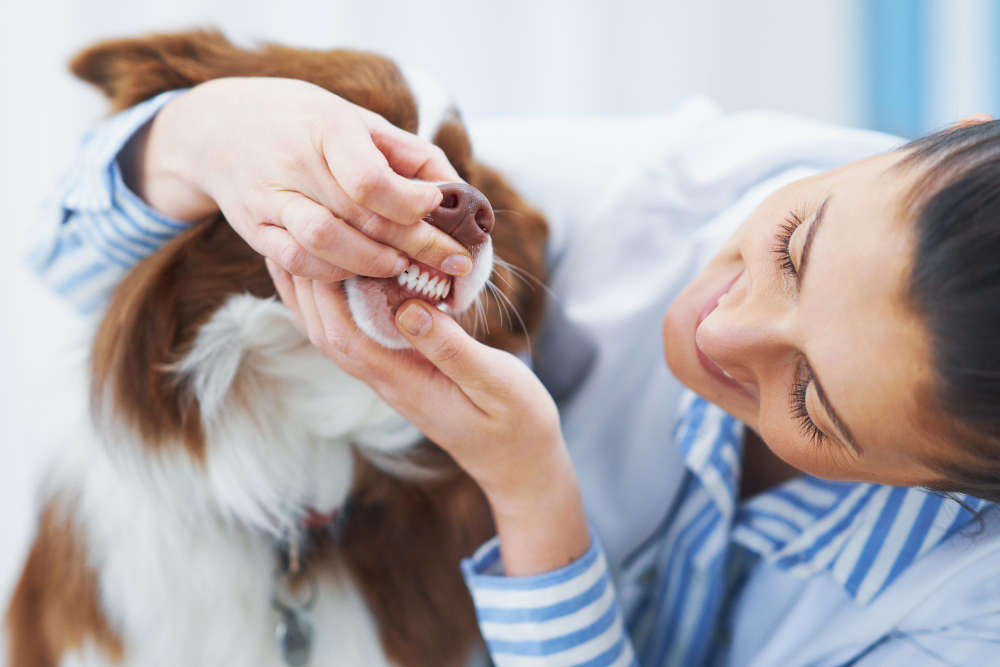
Dental checkups for pets play a vital role in maintaining their overall health. Regular examinations help detect dental diseases early, preventing serious issues like infections, tooth loss, and organ damage. Without proper care, bacteria from the mouth can spread through the bloodstream, affecting the heart, liver, and kidneys. These routine visits allow veterinarians to identify problems before they become painful or costly. Many pets hide signs of dental pain, making professional assessments essential.
At ASL Vets, we give full dental checks. We help pets stay comfortable, active, and healthy for life.
How Often Should Pets Have Dental Checkups?
Dental problems in pets often grow without clear signs. Regular checkups find these problems early. This helps keep pets healthy and pain-free.
Most pets need professional dental checkups once a year. These visits help the vet catch dental disease before it leads to pain, infections, or high treatment costs.
Some pets need more checkups based on age, breed, or past dental problems:
- Senior pets: Older pets face more gum disease, plaque, and tooth resorption. A checkup every 6 months helps find issues early.
- Small or toy breeds: These breeds often have crowded teeth and gum troubles. More exams help care for their special dental needs.
- Pets with past dental issues: Pets who had dental disease before may face it again. Extra checkups help catch problems fast.
Puppies and kittens need dental checks during early vet visits. This helps spot:
- Bite alignment problems: Early checks for malocclusions give better treatment choices.
- Juvenile gum diseases: Problems like gingivitis or stomatitis can start young. Early care improves outcomes.
Good dental care helps prevent serious health issues. Bacteria from the mouth can reach the heart, liver, or kidneys through the blood.
What Happens During a Pet Dental Checkup?
A professional dental checkup for pets involves several important steps to fully assess oral health and address any issues. Each stage plays a role in detecting, treating, and preventing dental disease.
Pre-Checkup Preparation
Before the dental check begins, pets undergo a basic health check. The vet or nurse:
- Reviews medical history: This includes any current medications or health concerns to plan the safest anaesthesia.
- Performs a physical exam: Weight, temperature, and vital signs are recorded to ensure your pet is fit for the procedure.
Many pets, especially older ones, may also have blood tests done. These tests help confirm that organ function is stable enough for anaesthesia.
Oral Examination Under Anaesthesia
Once anaesthetised, a detailed mouth inspection starts. This allows for a thorough check without causing discomfort.
- Visual inspection: The vet examines gums, teeth, tongue, and soft tissues for redness, swelling, or visible damage.
- Periodontal probing: A dental probe checks the gum pockets around each tooth. Deeper pockets may suggest gum disease or bone loss.
- Dental charting: Every tooth’s condition is recorded, noting loose teeth, fractures, or enamel damage.
Cleaning and Polishing
Thorough cleaning is a key part of the dental checkup.
- Scaling: An ultrasonic scaler removes plaque and tartar from the tooth surfaces and under the gum line, where bacteria collect.
- Polishing: After scaling, teeth are polished to smooth the enamel. This slows down future plaque build-up.
X-rays and Further Evaluation
Some issues cannot be seen during the visual exam alone.
- Dental x-rays: These reveal problems beneath the gum line, such as damaged roots or hidden infections. In cats, full-mouth x-rays are often recommended. For dogs, x-rays target areas of concern.
Tooth Extractions
If any teeth are too damaged to save:
- Extractions: The vet carefully removes the affected teeth, often dividing the tooth into sections for safe removal. The gum is then stitched to help healing.
- Post-extraction care: Pain relief and antibiotics are prescribed to prevent infection and manage discomfort.
Recovery and Aftercare
Once the procedure is complete:
- Monitoring: Pets are watched closely while they wake up from anaesthesia.
- Home care guidance: The vet explains how to care for your pet’s teeth at home. This may include brushing, dental chews, or special diets.
- Follow-up visits: Regular checkups help maintain oral health and prevent future problems.
What Are the Benefits of Regular Dental Exams for Pets?
Regular dental exams give many health benefits to pets. They help find dental problems early, stop serious health risks, and support a long, healthy life.
Early Detection Prevents Painful Problems
Routine checkups let vets find gum disease, tooth decay, and swelling before they cause pain. Dental problems often grow without clear signs. By the time pets show pain, the disease may already be severe. Early exams stop problems before they get worse.
Protecting Against Tooth Loss
If not treated, dental disease can harm the bone and gums that hold teeth. This can cause loose teeth and pain while eating. Regular exams and cleaning keep teeth strong and help avoid extractions.
Preventing Serious Health Complications
Bacteria from the mouth can travel through the blood to the heart, liver, or kidneys. This may lead to serious health issues. A clean mouth helps prevent these wider health problems.
Reducing Long-Term Costs
It costs less to treat dental disease early. If caught soon, pets avoid costly care like extractions or hospital stays for serious infections.
Improving Quality of Life
Healthy teeth let pets eat with ease, stay active, and avoid long-lasting pain. Good oral health keeps pets full of energy, happy, and playful.
FAQs about Dental Checkups for Pets
How often should you get your dog's teeth checked?
Dogs should have their teeth checked by a vet at least once a year.
Do dogs need their teeth checked?
Yes, regular dental checkups are essential to prevent dental issues like plaque, gum disease, and tooth loss.
Is dental cleaning for dogs worth it?
Yes, dental cleaning helps prevent serious oral health problems, including infections, and can improve your dog’s overall health.
How to check dog dental health?
Check your dog’s dental health by inspecting their gums for redness, looking for bad breath, and checking for tartar or plaque buildup.