
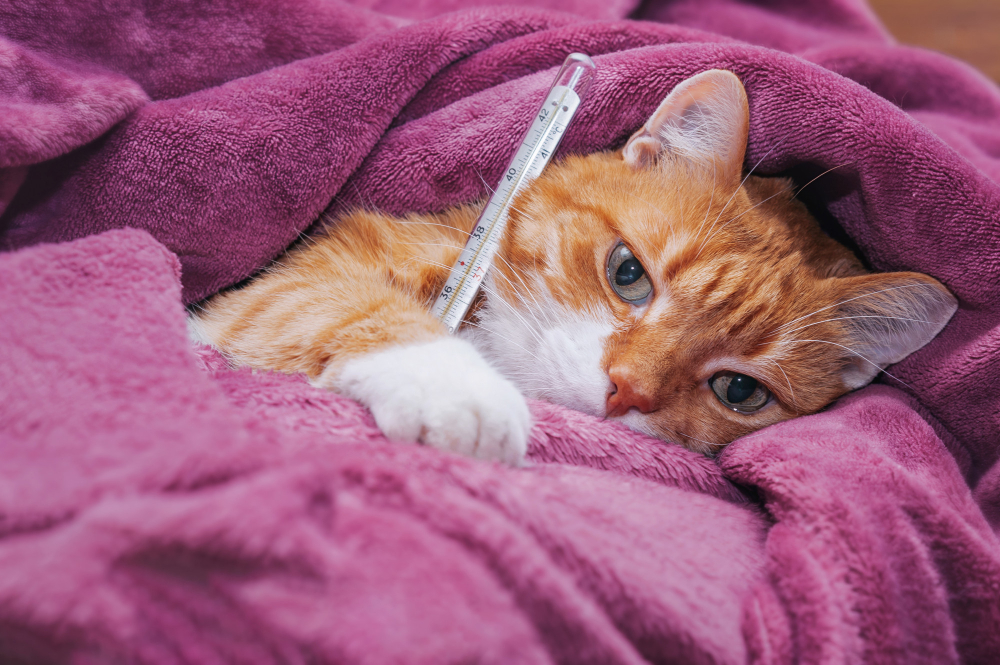
Pets instinctively hide signs of illness to avoid appearing vulnerable. This natural behaviour makes it harder for owners to spot early health issues. Yet even subtle changes, such as reduced appetite or unusual behaviour, can indicate an underlying problem.
Identifying symptoms early helps prevent life-threatening complications. For example, persistent lethargy or vomiting might signal infections, gastrointestinal disorders, or even organ failure. Cats may isolate themselves or change grooming habits. Dogs might suddenly limp, wheeze, or display irritability.
ASL Vets supports pet owners with full diagnostic services, including blood tests, imaging, and parasite screening. These services detect issues like:
- Endocrine disorders (e.g. diabetes, thyroid imbalance)
- Respiratory infections (e.g. kennel cough, asthma)
- Dental disease (bad breath, drooling, trouble eating)
- Gastrointestinal problems (vomiting, diarrhoea, bloating)
- Musculoskeletal conditions (limping, joint stiffness)
What Are General Symptoms of Illness in Pets?
General symptoms reflect the early stages of illness in pets. These signs are often subtle but signal that the body is reacting to infection, inflammation, pain, or stress. Ignoring them may lead to worsening health or emergencies.
Key Signs That May Indicate Your Pet Is Unwell
- Lethargy: A noticeable drop in energy or activity may reflect fever, pain, or systemic disease. Pets may sleep more, avoid play, or appear uninterested in their surroundings.
- Loss of Appetite / Decreased Appetite: Refusing food or eating less can signal nausea, dental pain, fever, or internal illness. Sudden disinterest in meals should always raise concern.
- Vomiting and Diarrhoea: These signs often point to gastrointestinal upset, parasites, dietary indiscretion, or infection. Recurrent episodes can quickly lead to dehydration.
- Unexplained Weight Loss or Gain: Fluctuations in weight may be signs of thyroid issues, diabetes, tumours, or malabsorption syndromes.
- Behavioural Changes: Increased aggression, withdrawal, hiding, vocalisation changes, or clinginess may reflect pain, anxiety, or neurological disorders.
- Breathing Issues: Laboured breathing, wheezing, or rapid panting at rest can signal respiratory or cardiac conditions.
- Discharge: Unusual discharge from the eyes, ears, nose, or genitals may indicate infection, inflammation, or trauma.
- Itching and Excessive Scratching: Itchiness, licking, or biting skin may reflect allergies, fleas, mites, or dermatitis.
- Lumps or Bumps: New or changing masses under the skin can indicate cysts, infections, abscesses, or tumours.
- Pain: Signs include whining, limping, sensitivity to touch, or avoiding stairs. Pets may hide pain, so subtle cues matter.
- Seizures: Seizure activity (shaking, twitching, collapsing) can indicate neurological disorders, toxins, or epilepsy.
- Alopecia (Hair Loss): Patchy or general hair loss can result from parasites, hormonal imbalances, or stress.
- Bad Breath (Halitosis): Foul mouth odour may signal dental disease, infection, or systemic illness like kidney failure.
- Lameness / Limping: Reduced mobility, stiffness, or an altered gait may point to joint issues, injury, or neurological conditions.
- Abnormal Uterine Bleeding: Bleeding outside normal heat cycles may indicate pyometra, tumours, or reproductive tract disease.
- Blood in Stool or Urine: Haematuria or haematochezia signals urinary tract disease, infection, parasites, or gastrointestinal inflammation.
- Excessive Licking and Scratching: Often a sign of discomfort, skin irritation, allergies, or anxiety.
- Excessive Thirst and Polyuria: Drinking more than usual and frequent urination are red flags for diabetes, kidney disease, or endocrine issues.
- Odour: Unusual body odour from the mouth, ears, or skin can indicate infection, poor hygiene, or metabolic disease.
- Wounds: Open sores, slow-healing cuts, or persistent scabs may signal trauma, infection, or immune disorders.
ASL Vets provides general consultations with full exams and lab testing to uncover early health issues. Blood panels, parasite screening, and physical exams detect problems before symptoms worsen.
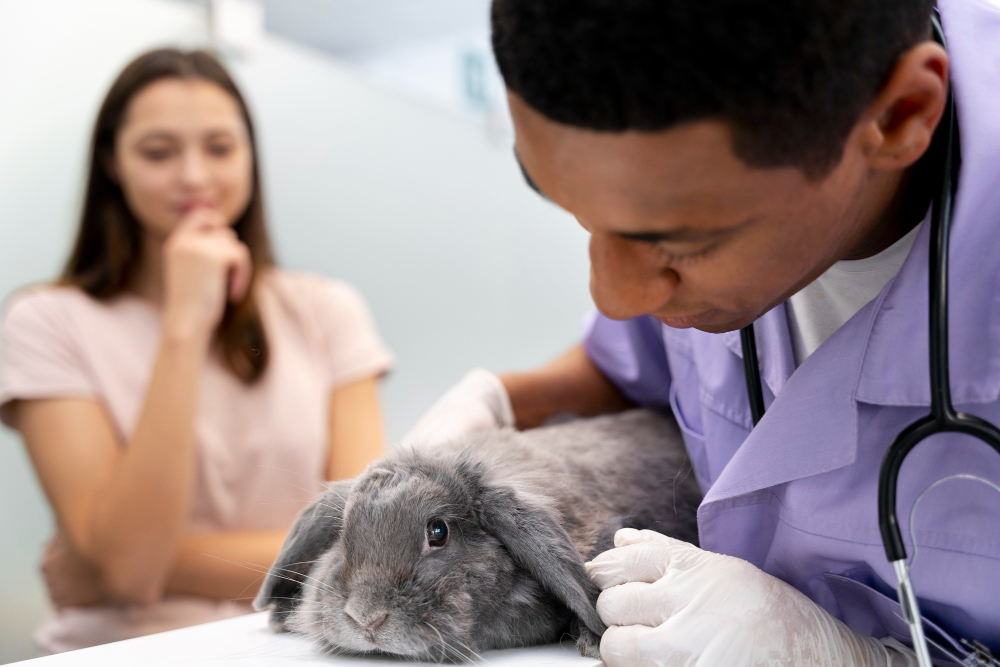
What Are Specific Signs for Dogs and Cats?
Dogs and cats exhibit illness in species-specific ways, often showing symptoms through changes in behaviour, appearance, or bodily functions. While some signs overlap, others are unique to dogs or cats and may vary by breed. Recognising these signs allows for early diagnosis and proper treatment.
Specific Illness Signs in Dogs
Dogs tend to show outward physical changes when unwell. Watch for the following:
- Lethargy or Decreased Activity: A drop in playfulness or reluctance to move may signal infections, pain, or systemic disease.
- Loss of Appetite: Refusing meals is often an early sign of dental problems, gastrointestinal upset, or fever.
- Vomiting or Diarrhoea: Repeated episodes suggest dietary indiscretion, infections, or parasites.
- Difficulty Breathing: Wheezing, coughing, or laboured breathing may indicate heart disease or respiratory tract infections.
- Changes in Urination: Straining, frequent urination, or house accidents may be caused by urinary tract infections or kidney issues.
- Weight Loss or Gain: Can signal hormonal imbalances, diabetes, or poor nutrient absorption.
- Skin and Coat Issues: Excessive scratching, bald patches, redness, or a dull coat can indicate allergies, parasites, or mange.
- Bad Breath: A foul smell may reflect dental decay, oral infections, or systemic conditions like kidney disease.
- Eye and Ear Discharge: Pus, tears, or wax build-up may indicate conjunctivitis or ear infections.
- Behavioural Changes: Aggression, anxiety, or hiding behaviour may reflect discomfort or neurological disorders.
- Difficulty Walking or Stiffness: Limping, reluctance to climb stairs, or stiffness can signal arthritis, injuries, or joint disease.
- Fever: An elevated body temperature often indicates infection or inflammation.
- Coughing: Persistent coughs could be due to kennel cough, pneumonia, or tracheal collapse.
- Bloated Abdomen: Abdominal swelling may indicate gastric torsion (bloat), fluid retention, or internal masses.
Specific Illness Signs in Cats
Cats often mask illness, making behavioural observation crucial. Look out for:
- Lethargy or Decreased Activity: A change in play habits or prolonged sleep can indicate pain or illness.
- Loss of Appetite: Refusal to eat may be due to dental pain, nausea, or stress.
- Vomiting or Diarrhoea: Ongoing gastrointestinal symptoms may signal viral infections, diet problems, or parasites.
- Changes in Litter Box Habits: Urinating outside the box, straining, or frequent trips may indicate UTIs or bladder stones.
- Difficulty Breathing: Open-mouth breathing, wheezing, or silent panting are serious signs of respiratory or cardiac disease.
- Weight Loss or Gain: Can point to thyroid disease, diabetes, or poor diet absorption.
- Skin and Coat Issues: Over-grooming, bald spots, or greasy, matted fur often point to allergies, arthritis, or stress.
- Bad Breath: May reflect dental decay, mouth ulcers, or organ dysfunction.
- Eye and Ear Discharge: Watery or pus-like discharge can result from infections or foreign bodies.
- Behavioural Changes: Hiding, aggression, or increased vocalisation can indicate fear, illness, or neurological issues.
- Excessive Salivation: Drooling may occur due to nausea, dental problems, or toxic ingestion.
- Fever: Often accompanied by lethargy and reduced food intake, fever is a sign of systemic inflammation.
- Hissing When Touched: A defensive response often caused by localised pain or discomfort.
- Dishevelled Coat: Poor grooming suggests discomfort, arthritis, or chronic disease.
Shared Symptoms Across Dogs and Cats
Some symptoms are seen in both species and should be taken seriously:
- Unusual Lumps or Bumps: New or growing masses may indicate cysts, abscesses, or tumours.
- Increased or Decreased Thirst: Changes in hydration can reflect diabetes, kidney issues, or fever.
- Changes in Vocalisation: Excess meowing, whining, or silence can be a sign of pain, stress, or cognitive decline.
- Abnormal Drooling: Excessive saliva production may be linked to oral disease, nausea, or toxin exposure.
Breed-Specific Considerations
- Dogs – Pugs, Bulldogs: Prone to brachycephalic airway syndrome, causing noisy breathing and heat intolerance.
- Dogs – Labradors, Retrievers: High risk of hip dysplasia and obesity-related arthritis.
- Dogs – Dachshunds: Susceptible to intervertebral disc disease due to long spine structure.
- Cats – Persians, Himalayans: Often experience eye discharge and breathing difficulties due to flat facial anatomy.
- Cats – Siamese: Commonly show changes in vocalisation and are prone to hyperthyroidism.
- Cats – Maine Coons: Genetically predisposed to hypertrophic cardiomyopathy (HCM), a type of heart disease.
When Are Symptoms Considered an Emergency?
Some symptoms in pets require immediate action, they signal life-threatening conditions that cannot wait. Recognising these signs early and responding quickly can prevent permanent damage or death. Emergencies often escalate within minutes, especially in young, elderly, or medically fragile pets.
Danger Signs That Require Urgent Veterinary Attention
- Breathing Difficulty: Open-mouth breathing, wheezing, choking, or shallow, rapid respiration may indicate lung collapse, heart failure, or airway obstruction.
- Seizures: Convulsions, drooling, stiff limbs, or loss of control may point to epilepsy, poisoning, or brain trauma. Multiple or prolonged seizures are medical emergencies.
- Uncontrolled Bleeding: Persistent or heavy bleeding, especially from the mouth, rectum, or open wounds, can lead to shock and must be addressed immediately.
- Collapse or Unresponsiveness (Unconsciousness): Sudden collapse, limp body, fainting, or lack of response can result from severe illness, blood loss, neurological trauma, or cardiovascular failure.
- Obvious Pain: Whining, shaking, aggression when touched, or hiding may indicate acute pain from injury, internal damage, or inflammation that needs urgent attention.
- Bloated, Swollen, or Painful Abdomen: A hard, distended belly may signal gastric torsion (GDV), internal bleeding, or fluid buildup. This is especially critical in deep-chested dog breeds.
- Severe Vomiting and/or Diarrhoea: Multiple episodes within 24 hours, especially with blood or dehydration, can indicate poisoning, gastrointestinal obstruction, or infection.
- Inability to Walk: Sudden paralysis, dragging limbs, or loss of balance may be linked to spinal injury, stroke, or neurological failure.
- Trauma: Falls, car accidents, fractures, bite wounds, or deep cuts should always be treated as emergencies, regardless of visible injury severity.
- Ingestion of Toxic Substances: Suspected consumption of chocolate, medication, cleaning agents, plants, or human food (like grapes or onions) requires immediate intervention.
Immediate Steps to Take in a Pet Emergency
- Call a 24-Hour Vet Immediately: Time is critical. Contact the nearest emergency clinic and follow their instructions.
- Describe Symptoms Clearly: Share what you observed: the symptom, how long it’s been happening, and any known causes (trauma, toxin exposure, etc.).
- Prepare for Emergency Transport: Move your pet safely using a blanket or carrier. Keep them warm and calm while avoiding unnecessary movement.
How Can Regular Check-Ups Help Catch Problems Early?
Routine veterinary check-ups are essential for spotting illness before symptoms become visible. Pets are experts at hiding pain, so regular assessments help uncover silent conditions and prevent them from becoming serious or costly to treat.
Annual or Biannual Health Checks Keep Pets on Track
Scheduling annual or biannual health checks allows vets to monitor:
- Weight trends
- Heart and lung function
- Joint flexibility
- Skin and coat condition
- Behavioural changes
These exams establish a baseline for your pet’s health, helping detect changes early, especially useful for ageing pets or those with genetic predispositions.
Diagnostic Testing Detects Hidden Illness
- Blood Tests: Reveal liver function, kidney health, blood sugar levels, infections, and immune activity.
- Stool Analysis: Identifies parasites like Giardia, worms, or harmful bacteria before they trigger digestive symptoms.
- Dental Examinations: Spot gum disease, tartar build-up, and oral infections that can spread to the heart, kidneys, or liver.
These tests can detect chronic diseases like diabetes, anaemia, thyroid imbalances, or urinary infections early, before symptoms appear.
Wellness Plans Tailored by Age and Breed
Each pet has unique health risks. Vets tailor wellness plans by:
Age group
- Kittens/puppies: growth checks, early vaccination
- Adults: lifestyle assessments, preventive screenings
- Seniors: arthritis checks, organ function monitoring
Breed tendencies
- Flat-faced breeds (e.g. Pugs, Persians): airway checks
- Large dogs (e.g. Labradors, German Shepherds): hip/joint monitoring
- Cats (e.g. Siamese): thyroid screening, dental care
Tailored care supports longevity and improves your pet’s quality of life.
The Broader Benefits of Regular Vet Visits
- Early Detection: Vets can identify illness in its earliest stage before pain or complications develop.
- Preventative Care: Routine vaccinations, parasite control, and oral hygiene reduce the risk of avoidable diseases.
- Monitoring: Ongoing evaluation allows vets to catch subtle changes in health, behaviour, or development over time.
- Personalised Care: Recommendations are based on breed, lifestyle, environment, and health history.
- Education: Vets offer guidance on nutrition, behaviour, exercise, and home care tailored to your pet’s specific needs.
- Proactive Addressing: Early treatment avoids emergency care, reduces suffering, and lowers long-term costs.
Preventive Care and Diagnostic Services at ASL Vets
ASL Vets offers comprehensive preventive services, including:
- Vaccination schedules
- Flea, tick, and heartworm control
- In-house lab testing and imaging
- Nutrition and weight counselling
- Dental cleanings and oral care
Preventive care minimises emergency visits, reduces long-term costs, and keeps pets healthier for longer.
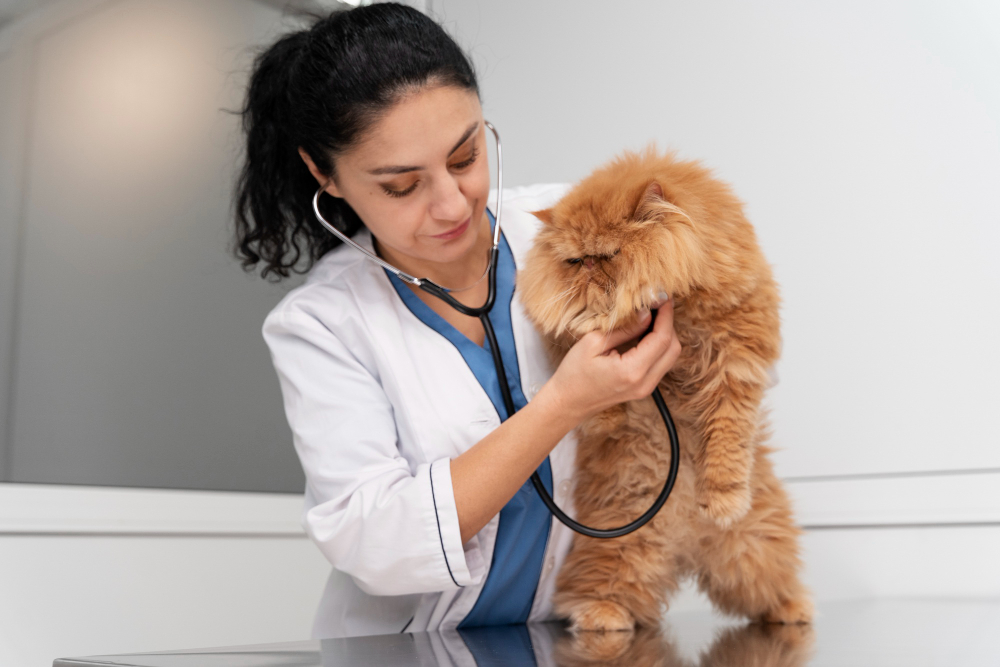
Frequently Asked Questions about Symptoms of Sick Pets
How do you know if your pet is suffering?
Look for signs like lethargy, appetite loss, hiding, limping, or changes in behaviour, breathing, or toileting.
How to take care of a sick animal?
Isolate them in a quiet space, follow your vet’s instructions, give prescribed medication, and monitor symptoms closely.
When should I be worried about my sick pet?
Seek veterinary care if symptoms last over 24 hours or include vomiting, seizures, breathing difficulty, or collapse.