
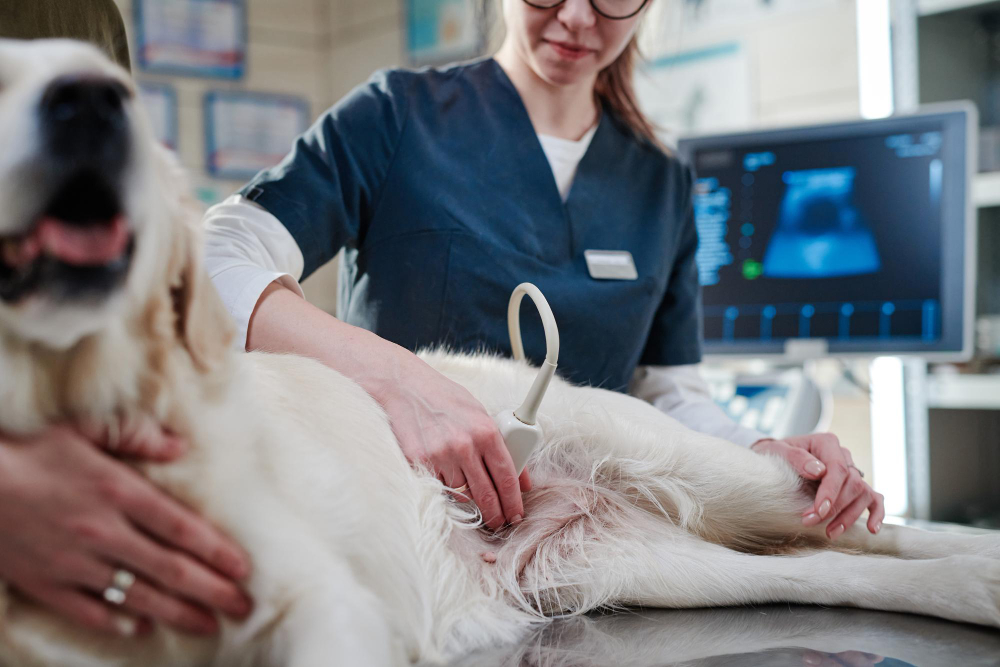
Orthopaedic surgery for pets treats problems with bones, joints, ligaments, and muscles. It helps pets heal from fractures, joint damage, or birth defects that affect movement. These surgeries lower pain and bring back normal activity. Common problems include broken bones, hip dysplasia, torn ligaments, and arthritis. Treatments may fix bones, replace joints, or support weak areas. Quick surgery often gives pets better comfort and movement for a long time.
At ASL Vets, we provide expert orthopaedic care to help your pet move comfortably again and enjoy a better quality of life.
Table of Contents
- What Are Common Orthopaedic Problems in Pets?
- When Is Orthopaedic Surgery Recommended for Pets?
- What Types of Orthopaedic Surgeries Are Available for Pets?
- How Is Orthopaedic Surgery Performed for Pets?
- What to Expect During Recovery from Orthopaedic Surgery in Pets?
- FAQs about Orthopaedic Surgery for Pets
What Are Common Orthopaedic Problems in Pets?
Pets can suffer from many bone and joint problems. These affect how they move, walk, and feel.
- Fractures: Broken bones often happen from falls or accidents. They cause pain, swelling, and trouble walking. Surgery or splints may help heal the bone.
- Hip Dysplasia: The hip joint grows the wrong way. Large dogs often get this problem. It leads to limping, stiffness, and pain when moving.
- Cruciate Ligament Tears: The knee ligaments tear and make the joint unstable. Pets may limp or not use the leg. Surgery often fixes the problem.
- Elbow Dysplasia: The elbow joint grows wrong. This causes pain, stiffness, and joint damage over time.
- Luxating Patella: The kneecap moves out of place. Pets may limp or walk oddly. Bad cases may need surgery to fix the knee.
- Osteoarthritis: Joints wear out with age. This makes pets stiff and sore. Moving becomes slow and hard.
- Intervertebral Disc Disease: Spinal discs bulge or burst and press on nerves. This can cause pain, weakness, or even paralysis.
- Panosteitis: Young dogs may have shifting leg pain. Rest and care often help them feel better.
- Other Conditions: Pets may also face spondylosis, osteochondrosis, and bent limbs. These problems limit movement and need treatment.
When Is Orthopaedic Surgery Recommended for Pets?
Orthopaedic surgery is recommended when pets feel pain or have trouble moving that does not improve with simple care. Some problems need surgery to help pets move well and feel better.
- Fractures: Accidents can break bones. Surgery fixes the break and helps bones heal the right way.
- Ligament Tears: Torn ligaments, like cruciate ligament injuries, make joints unstable. Surgery holds the joint steady and eases pain.
- Developmental Issues: Conditions like hip dysplasia or patellar luxation harm joints. Surgery corrects these problems and stops future damage.
- Chronic Joint Disease: Arthritis causes lasting pain and stiffness. When medicine stops working, surgery may help ease pain.
- Visible Signs: Pets may limp, avoid stairs, or have trouble standing. Clicking joints, swelling, or licking sore spots may also mean surgery is needed.
What Types of Orthopaedic Surgeries Are Available for Pets?
Orthopaedic surgery for pets treats many bone and joint problems. These surgeries help pets move better and feel less pain after injuries or illnesses.
- Fracture Repair: Surgery uses plates, pins, or screws to hold broken bones in place. This helps bones heal straight and strong.
- Cruciate Ligament Repair: Torn ligaments, like the cranial cruciate ligament (CCL) in dogs, often need surgery. TPLO or lateral suture methods help keep the joint stable.
- Total Joint Replacement: When joints are badly damaged by arthritis or hip dysplasia, surgeons can replace the hip or elbow with a new joint to ease pain.
- Luxating Patella Repair: This surgery moves the kneecap back to its correct spot. It helps pets walk better and feel less pain.
- Osteotomy Surgery: Surgeons reshape bones to fix deformities like bent limbs or hip problems.
- Arthroscopy: This is a simple way to treat joint problems using small cuts and tiny cameras.
- Femoral Head Ostectomy (FHO): For bad hip pain, the surgeon removes the top part of the thigh bone to reduce pain.
- Amputation: In serious cases where the leg cannot be saved, removing the limb may help the pet live without pain.
How Is Orthopaedic Surgery Performed for Pets?
Orthopaedic surgery for pets involves several steps to ensure a smooth procedure and recovery. Here’s how the process works:
Evaluation and Diagnosis
- Physical Examination: The vet will check your pet’s health and movement. This helps find the exact issue.
- Imaging: X-rays or CT scans help the vet see any fractures, joint damage, or muscle problems.
- Pre-operative Evaluation: Blood tests and health checks are done to ensure your pet is ready for surgery.
Surgical Procedures
- Fracture Repair: Broken bones are fixed using plates, screws, or pins. In some cases, a cast may be used.
- Ligament Repair: Torn ligaments, like those in the knee, are fixed with methods like TPLO or lateral suture.
- Joint Replacement: If a joint is severely damaged, like in hip dysplasia, it may need to be replaced to ease pain and restore movement.
Post-Surgery Care
- Pain Management: Your pet will be given medication to manage pain.
- Rehabilitation: After surgery, physical therapy and rest are important for recovery.
Orthopaedic surgery helps your pet move better and feel less pain, improving their quality of life. This type of surgery is essential for dogs and cats with musculoskeletal issues that affect their mobility and comfort.
What to Expect During Recovery from Orthopaedic Surgery in Pets?
Recovery from orthopaedic surgery in pets takes careful attention to rest, movement, and wound care. Each step helps ensure proper healing and comfort for your pet.
- Initial Rest Period: In the first 24 to 48 hours, pets often feel tired, drowsy, or show little interest in food. This is a common reaction to anaesthesia and surgery.
- Pain Management: Vets provide pain relief medication. Giving it on schedule keeps your pet comfortable and reduces stress on healing tissues.
- Restricted Movement: Limit activity to prevent strain on the surgical site. Confine your pet to a quiet, enclosed space. Avoid stairs, jumping, or running.
- Wound Monitoring: Check the incision daily for redness, swelling, or discharge. Keep the area clean and dry. Use an Elizabethan collar if your pet tries to lick or chew the site.
- Watch for Changes: Monitor for loss of appetite, unusual behaviour, or bowel changes. Report any concerns to your vet quickly.
- Follow-Up Care: Attend all scheduled vet visits. These allow your vet to check healing, remove stitches if needed, and suggest physical therapy for safe recovery.
FAQs about Orthopaedic Surgery for Pets
What is the most common orthopedic surgery for dogs?
The most common orthopedic surgery for dogs is cruciate ligament repair, often needed for torn ACLs.
What is an orthopedic vet?
An orthopedic vet specialises in diagnosing and treating musculoskeletal issues in animals, including bones, joints, and ligaments.
Can you do surgery on animals?
Yes, animals can undergo various surgeries, including soft tissue, orthopaedic, and emergency procedures, performed by trained veterinarians.
What does orthopaedic mean for dogs?
Orthopaedic refers to the treatment of musculoskeletal conditions in dogs, including bones, joints, muscles, and ligaments.
What is surgery in veterinary medicine?
Surgery in veterinary medicine involves medical procedures to treat injuries, diseases, or conditions that require physical intervention.