

Vaccinations protect cats from serious and potentially fatal illnesses like feline parvovirus, cat flu, and feline leukaemia. These diseases can spread quickly, even in controlled environments. Whether your cat lives indoors or outdoors, the risk of infection remains. Viruses can enter homes on clothing, shoes, or through contact with other animals. Unvaccinated kittens are especially vulnerable during their early development stages.
ASL Vets provides tailored vaccination plans based on your cat’s age, lifestyle, and risk exposure. Their experienced team ensures timely protection with affordable, personalised vaccine schedules that meet UK veterinary standards.
Table of Contents
Why Are Cat Vaccinations Essential in the UK?
Cat vaccinations in the UK are essential for disease prevention, early immune defence in kittens, and fulfilling key requirements for catteries, travel, and insurance policies.
Why Are Vaccinations Important?
Protection From Deadly Diseases
Vaccines prevent major feline diseases that are widespread and often fatal:
| Disease | Cause | Severity | Vaccine Type |
|---|---|---|---|
| Feline Leukaemia Virus (FeLV) | Retrovirus | Fatal | Non-core |
| Feline Herpesvirus (FHV) | Herpesvirus | Chronic | Core |
| Feline Calicivirus (FCV) | Calicivirus | Contagious | Core |
| Feline Panleukopenia (FPV) | Parvovirus | Rapidly fatal | Core |
- FeLV weakens the immune system and often causes cancers or anaemia.
- FHV and FCV lead to cat flu, with symptoms like sneezing, ulcers, and fever.
- FPV (also called feline enteritis) kills unprotected kittens quickly.
Prevention of Disease Spread
Vaccinated cats are less likely to shed viruses or become carriers. This reduces:
- Transmission between household or community cats
- Infection rates in catteries or shelters
- Exposure risks for kittens and older cats
Vaccination contributes to herd immunity, which protects unvaccinated or immunocompromised cats.
Improved Welfare
Preventing infectious disease means fewer:
- Vet visits
- Long-term medications
- Isolation periods
- Life-threatening emergencies
This leads to a better quality of life and lowers overall care costs.
Travel Requirements
Cats travelling outside the UK must have:
- Rabies vaccination (administered from 12 weeks)
- Pet passport or Animal Health Certificate under UK pet travel rules
Failure to vaccinate can lead to travel delays or quarantine at borders.
Cattery/Boarding Requirements
Most UK catteries require proof of:
- Recent core vaccinations (within the last 12 months)
- FeLV vaccine, if the cat has outdoor access or mixes with other cats
Unvaccinated cats are often denied boarding entry.
Pet Insurance Requirements
Many pet insurance policies require up-to-date vaccinations for:
- Coverage of illness-related claims
- Boarding illness cover
- Annual booster-related benefits
Missing vaccines may void parts of the policy, especially for core diseases.
When and What Types of Vaccinations?
Kittens
Kittens need early vaccinations as maternal antibodies drop by 8–9 weeks:
| Age | Vaccines |
|---|---|
| 9 weeks | Core: FHV, FCV, FPV |
| 12 weeks | Second core booster |
| 12 weeks+ | FeLV (if outdoor exposure risk exists) |
Without these, kittens are highly exposed to fatal viruses like FPV and contagious ones like cat flu.
Booster Vaccinations
Cats require annual boosters to maintain immunity. Booster schedules include:
- Core vaccines (FHV, FCV, FPV) yearly
- FeLV every 1–3 years, depending on risk
- Rabies, as per travel requirements
Missed boosters reduce immunity and may require restarting the vaccination course.
Common Vaccinations
The most common cat vaccines in the UK include:
- Core vaccines: Feline herpesvirus (FHV), calicivirus (FCV), panleukopenia virus (FPV)
- Non-core vaccines: Feline leukaemia virus (FeLV), rabies (for travel), Chlamydophila felis, Bordetella bronchiseptica
Vaccine types are selected based on lifestyle, age, health status, and exposure risk.
Tailored Vaccination Plans
Veterinary professionals customise vaccination protocols based on:
- Indoor vs outdoor access
- Multi-cat households
- Travel plans or cattery use
- Existing health conditions
ASL Vets provides personalised vaccine schedules to ensure safe, timely, and effective protection.
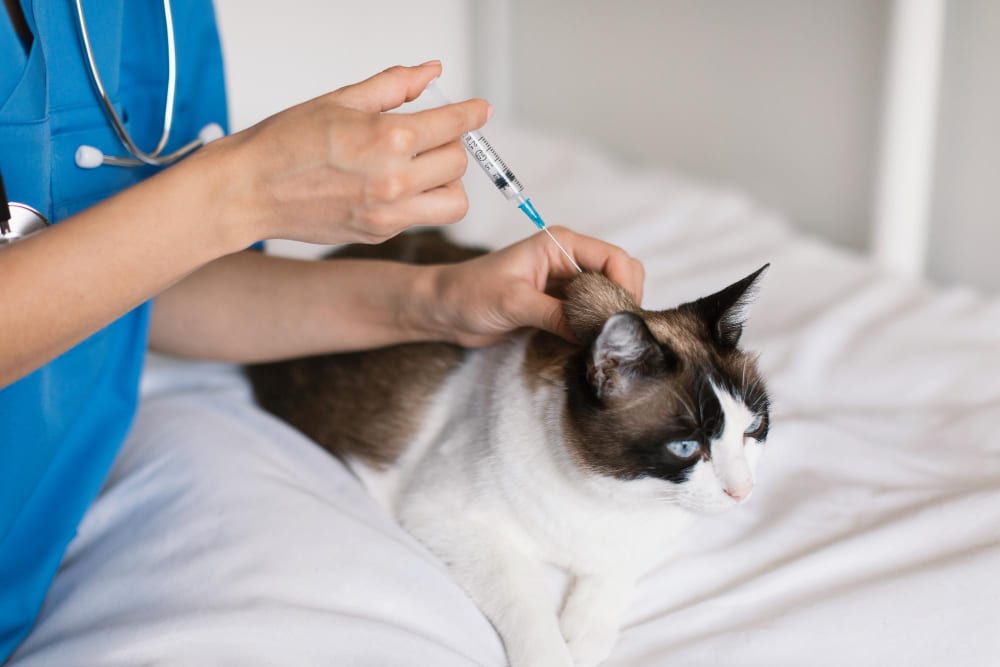
Why Are Cat Vaccinations Essential in the UK?
Cats in the UK require a combination of core and non-core vaccinations to stay protected against life-threatening diseases. Core vaccines are necessary for all cats, while non-core vaccines depend on lifestyle and exposure risk.
Core Vaccines (Recommended for All Cats)
These are essential for all UK cats, including those kept strictly indoors. They protect against widespread, contagious diseases that can cause long-term illness or death.
Feline Panleukopenia (Feline Parvovirus, FPV)
- Also called: Feline infectious enteritis or feline distemper
- Protects against: Severe gastrointestinal disease
- Symptoms prevented: Vomiting, diarrhoea, dehydration, and immune suppression
- Transmission: The Virus survives long periods on surfaces and faeces
Feline Herpesvirus (FHV-1)
- Protects against: Feline viral rhinotracheitis – a common form of cat flu
- Symptoms prevented: Sneezing, nasal discharge, conjunctivitis
- Transmission: Saliva, nasal secretions, grooming, shared items
Feline Calicivirus (FCV)
- Protects against: Another major cause of cat flu
- Symptoms prevented: Mouth ulcers, fever, coughing, and nasal congestion
- Note: FCV mutates easily, leading to variant strains
Feline Leukaemia Virus (FeLV)
- Recommended for: Outdoor cats or those in contact with other felines
- Protects against: Viral infection that leads to cancer, anaemia, and immune deficiency
- Transmission: Saliva, blood, bites, mutual grooming
- Note: Lifelong infection; most affected cats die within three years
Non-Core Vaccines (Recommended for Specific Situations)
These vaccines are not required for all cats, but may be advised by vets depending on lifestyle, environment, or travel needs.
Chlamydophila felis
- Protects against: Bacterial conjunctivitis and upper respiratory infection
- Symptoms: Eye discharge, swelling, sneezing
- Recommended for: Multi-cat households, breeding environments
Bordetella bronchiseptica
- Protects against: Upper respiratory infections that resemble cat flu
- Symptoms: Coughing, nasal discharge, fever
- Recommended for: Cats in boarding facilities or shelters
Rabies
- Required for: Cats travelling outside the UK
- Protects against: Fatal neurological disease caused by the rabies virus
- Note: Not found in the UK, but essential for international travel under the Pet Travel Scheme
Important Considerations
Vaccination needs can vary by age, health status, and environment. A vet’s input ensures proper protection at the right time.
Kitten Vaccinations
- Start at 9 weeks of age
- Follow-up booster at 12 weeks
- Protection against FHV, FCV, FPV
- FeLV is included based on lifestyle risk
- Kittens should be kept indoors until fully vaccinated
Boosters
- Core boosters are given annually to maintain immunity
- FeLV boosters are given every 1–3 years, depending on risk
- Rabies booster timing set by travel regulations
- Missing a booster may require restarting the vaccine schedule
Consult With Your Vet
- Vets assess individual factors:
- Indoor/outdoor status
- Contact with other cats
- Travel plans
- Existing health conditions
- ASL Vets provides customised vaccination schedules for optimal care
Summary Table of Cat Vaccines in the UK
| Vaccine | Disease Prevented | Type | Recommended For |
|---|---|---|---|
| FPV | Panleukopenia | Core | All cats |
| FHV-1 | Cat flu (herpesvirus) | Core | All cats |
| FCV | Cat flu (calicivirus) | Core | All cats |
| FeLV | Leukaemia virus | Core / Non-core | Outdoor or multi-cat cats |
| Chlamydophila felis | Eye and respiratory infection | Non-core | High-risk environments |
| Bordetella bronchiseptica | Respiratory disease | Non-core | Boarding/multi-cat settings |
| Rabies | Neurological virus | Non-core | Cats travelling abroad |
Core vaccines are a basic health requirement for all cats in the UK. Non-core vaccines offer vital, targeted protection depending on exposure.
What Is the Recommended Cat Vaccination Schedule?
Cats in the UK follow a structured vaccination schedule to ensure full and lasting protection against preventable diseases. This includes a primary course in kittenhood, followed by regular annual boosters tailored to lifestyle and exposure risk.
Cat Vaccination Schedule Table
| Age | Vaccines |
|---|---|
| 9 weeks | Core vaccinations: FHV, FCV, Panleukopenia |
| 12 weeks | Booster core vaccinations |
| Annually | Core booster + FeLV booster (if required) |
Kitten Vaccination Schedule
First Vaccination
Given at 9 weeks of age and includes protection against:
- Feline Parvovirus (FPV): prevents severe enteritis and immune damage
- Feline Rhinotracheitis (FHV): protects against viral respiratory disease
- Feline Calicivirus (FCV): protects against ulcers, nasal discharge, and flu-like symptoms
Second Vaccination
Given at 12 weeks, this booster strengthens immunity established by the first dose and completes the primary course.
Third Vaccination (Optional)
Some cats, especially high-risk kittens or rescue cats, may be advised to receive a third vaccine around 16 weeks to boost immunity, particularly against FPV.
Booster
The first annual booster is required one year after the primary kitten course to maintain immunity.
Adult Cat Vaccination Schedule
Booster
Adult cats require a yearly booster to sustain their protection against core diseases.
Frequency
- Core vaccines: Annually
- FeLV: Every 1–3 years, depending on exposure risk
- Rabies: Every 1–3 years, required only for travel
If a booster is missed, the primary course may need to be restarted based on veterinary guidance.
Core Vaccines for All Cats
These are recommended for all cats in the UK, including indoor cats, due to environmental exposure risks:
- Feline Parvovirus (FPV): Also known as feline panleukopenia, it causes vomiting, diarrhoea, and immune system suppression
- Feline Rhinotracheitis (FHV): Caused by feline herpesvirus, leads to cat flu symptoms
- Feline Calicivirus (FCV): Produces flu-like illness, oral ulcers, and chronic respiratory issues
- Rabies: Not present in the UK, but required for international travel under the Pet Travel Scheme
Non-Core Vaccines (Optional)
These are administered based on the cat’s environment, lifestyle, and exposure risk:
- Feline Leukaemia Virus (FeLV): For cats with outdoor access or multi-cat households, prevents fatal immune system disease
- Chlamydophila felis: Causes conjunctivitis and upper respiratory infection; useful in breeding or crowded settings
- Bordetella bronchiseptica: Can lead to kennel cough-like symptoms; relevant for cats in shelters or catteries
Important Considerations
Individual Risk Factors
Vaccination plans vary based on:
- Indoor vs outdoor access
- Multi-cat households
- Regional disease exposure
- Age, breed, and pre-existing health conditions
- Travel frequency
Veterinary Advice
Always consult your vet to create a vaccination schedule that meets your cat’s specific needs. Vets will consider lifestyle, local prevalence of disease, and long-term health when planning vaccinations.
Do Indoor Cats in the UK Still Need Vaccinations?
Yes, indoor cats in the UK still need vaccinations. Although their risk of direct exposure is lower, viruses and bacteria can still enter the home through shoes, clothing, visitors, or other pets. Core vaccines remain essential, even for cats that never leave the house.
Why Indoor Cats Still Need Vaccinations?
Exposure to Diseases
Even without outdoor access, indoor cats can be exposed to infectious agents. Humans can carry pathogens into the home on clothing, shoes, or bags, and contact with visiting animals increases this risk.
Hardy Viruses
Many feline viruses remain infectious on surfaces for extended periods:
- Feline Panleukopenia Virus (FPV): survives for over 6 months
- Feline Calicivirus (FCV): remains active for up to 30 days
- Feline Herpesvirus (FHV): viable on surfaces for 24 hours
These viruses don’t require direct contact between cats to cause infection.
Protection for New Cats
If a new cat or kitten joins the household, it may carry undetected viruses. Vaccinated indoor cats are better protected from transmission during introductions or short-term cohabitation.
Booster Vaccinations
Indoor cats still need annual boosters to maintain immunity. Missing boosters increases the risk of losing protection, even without known exposure.
Individual Risk Assessment
Indoor environments vary. Some cats live in multi-cat homes, interact with visitors’ pets, or have access to shared corridors or balconies. These all add to the risk. Vets evaluate such lifestyle factors before recommending a schedule.
Specific Vaccinations
- Core vaccines (FHV, FCV, FPV) are always recommended.
- FeLV may be skipped if the cat is strictly indoors and not exposed to other cats (vet guidance required).
- Rabies is unnecessary unless the cat travels abroad.
Core Vaccines Are Still Recommended
Even for indoor-only cats, the following core vaccinations are strongly advised:
| Core Vaccine | Protects Against | Risk Indoors |
|---|---|---|
| Feline Herpesvirus (FHV) | Cat flu, eye and respiratory infections | Indirect transmission via humans |
| Feline Calicivirus (FCV) | Flu-like illness, mouth ulcers | Durable in the environment |
| Feline Panleukopenia (FPV) | Severe gastrointestinal disease, often fatal | Can persist for months on objects |
These vaccines defend against airborne and environmental threats, not just direct cat-to-cat contact.
Is the FeLV Vaccine Optional for Indoor Cats?
Yes, Feline Leukaemia Virus (FeLV) vaccination is not usually needed for strictly indoor-only cats, unless they:
- Live with cats that go outdoors
- Might be exposed to new or unvaccinated cats
- Are young, elderly, or immunocompromised
FeLV spreads via saliva, grooming, and bites, not through the environment. However, only a vet can confirm if skipping this vaccine is safe based on your cat’s lifestyle.
A Common Misconception
It’s a widespread myth that indoor cats don’t need vaccines. The reality:
- Diseases don’t need physical contact to spread
- Long-living viruses make indoor exposure possible
- Indoor cats still visit vets or might be boarded in emergencies
- Insurance or catteries may require vaccination, regardless of outdoor access
Ask Your Vet for a Tailored Plan
Vets may adapt vaccine schedules for indoor cats, but will usually maintain core vaccines. They consider:
- Risk of environmental exposure
- Home dynamics and other pets
- The cat’s age, health, and medical history
- Local disease prevalence
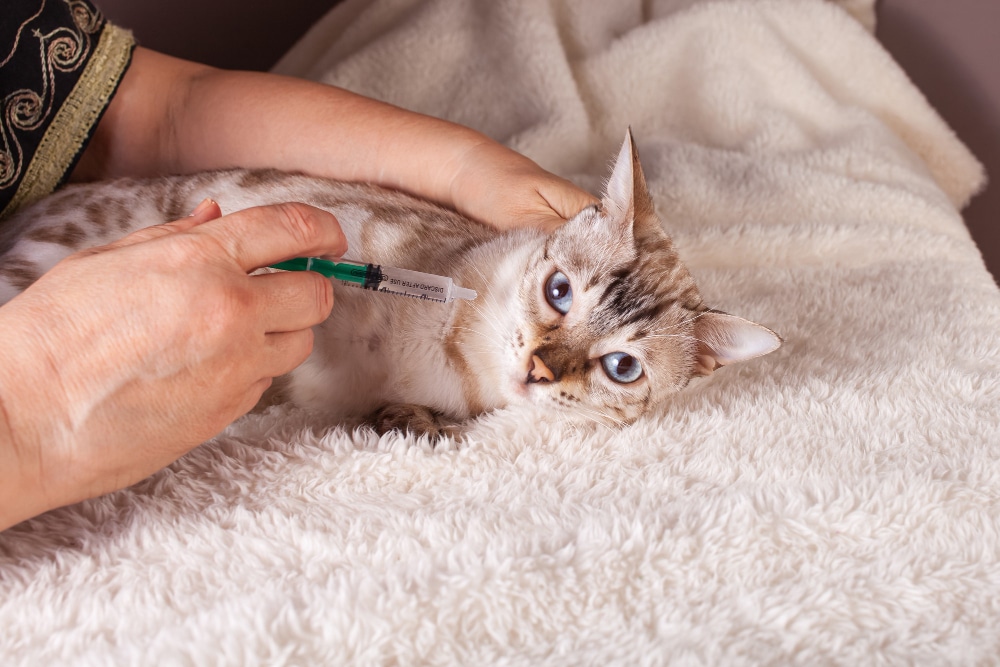
How Much Do Cat Vaccinations Cost in the UK?
Cat vaccination costs in the UK typically range between £60–£90 for a full kitten course, and £40–£60 for annual booster vaccinations. Rabies vaccines, required for international travel, cost around £40–£60, depending on the vet practice and location.
Average Costs for Cat Vaccinations
| Vaccination Type | Typical Cost Range |
|---|---|
| Initial kitten course | £60 – £90 |
| Annual booster (core) | £40 – £60 |
| Core + FeLV booster | £60 – £100 |
| Rabies (for travel) | £40 – £60 |
Prices may vary based on region, vet fees, or inclusion of health checks and microchipping.
Initial Kitten Vaccinations
Kittens need a primary vaccination course consisting of two injections:
- First dose at 9 weeks
- Second dose at 12 weeks
- Includes protection against:
- Feline herpesvirus (FHV)
- Feline calicivirus (FCV)
- Feline panleukopenia virus (FPV)
- Feline leukaemia virus (FeLV) (if advised)
The total cost for this course typically falls between £60–£90, but may rise to £100–£120 if additional treatments or a third booster are included.
Annual Booster Vaccinations
After the kitten course, cats require annual boosters to maintain immunity:
- Core boosters (FHV, FCV, FPV): £40–£60
- FeLV booster: additional £15–£40 depending on the practice
- Missed boosters may require restarting the course, increasing the cost
Booster costs also vary if bundled with health checks or multi-pet discounts.
Specific Vaccines
Some vaccines are only needed based on travel or lifestyle:
- Rabies: Required for travel abroad, typically costs £40–£60
- Chlamydophila felis or Bordetella bronchiseptica: Optional, recommended for multi-cat or boarding situations
- FeLV: Strongly advised for outdoor cats or multi-cat homes; included in many kitten packages
Always consult your vet for vaccine necessity based on your cat’s individual risk.
Factors Affecting Cost
The total cost of vaccination depends on:
- Type of vaccine: Core vs non-core
- Geographical location: Urban clinics often have higher fees
- Veterinary provider: Independent vs chain practices
- Additional services: Microchipping, flea/worm treatments, or health exams
- Healthcare plans: Some practices offer monthly wellness plans
Some charities or community vets may also offer reduced-cost vaccination clinics for eligible pet owners.
Affordable Care from ASL Vets
ASL Vets offers competitively priced vaccination packages to keep your cat protected without overpaying. These include:
- Core vaccine bundles for kittens and adults
- Tailored schedules including FeLV and rabies, based on lifestyle
- Optional add-ons such as flea, tick, and worm control
Their plans are designed to make feline preventative healthcare accessible, flexible, and affordable, without compromising on safety or quality.
Frequently Asked Questions about Cat Vaccinations UK
What vaccines do cats get in the UK?
Cats in the UK receive vaccines for feline herpesvirus (FHV), calicivirus (FCV), panleukopenia (FPV), and often feline leukaemia virus (FeLV).
Is it illegal not to vaccinate your cat UK?
No, it’s not illegal, but vaccinations are strongly recommended to protect your cat’s health and meet travel or boarding requirements.
Do house cats still need vaccinations?
Yes, indoor cats still need core vaccines, as diseases can enter the home via clothes, shoes, or other pets.
How much does cat vaccination cost in the UK?
Kitten courses typically cost £60–£90. Annual boosters range from £40–£60. Rabies vaccines cost around £40–£60 if needed.