
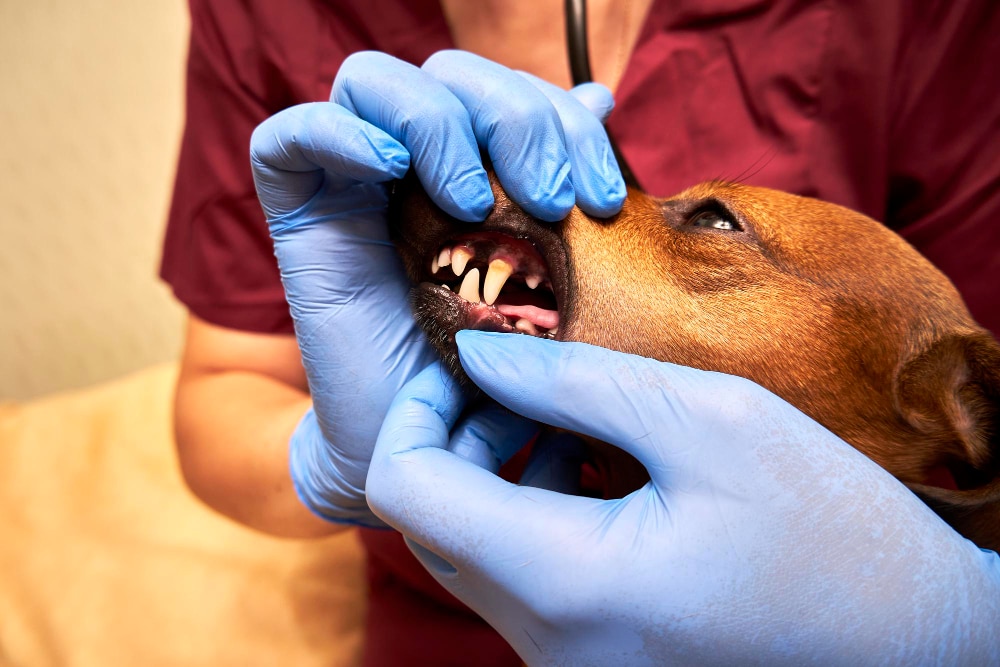
Pet dental care directly affects overall health. Gum disease, tartar build-up, and tooth decay can lead to chronic pain and reduced quality of life. Without proper care, oral bacteria may enter the bloodstream and impact the heart, kidneys, or liver. Brushing, vet cleanings, and oral-friendly diets are essential. Early signs like bad breath or chewing discomfort often go unnoticed. Understanding oral hygiene not only protects your pet’s mouth but also supports their long-term wellbeing and happiness.
Dental issues trigger more than just bad breath; they can cause major health complications. Bacteria from untreated infections can spread systemically, damaging organs like the heart or kidneys. Pain from inflamed gums or loose teeth often leads to appetite loss and behavioural changes. This makes oral care critical in identifying early signs your pet is sick. Consistent brushing and timely cleanings help prevent this decline, improving both quality of life and life expectancy.
This guide explains how to care for your pet’s teeth at home and when to seek professional help. You’ll learn about effective brushing techniques, diet tips, and the role of vet services for dental health. It also covers pet dental surgery procedures and how to monitor your pet’s mouth between check-ups. Whether you have a cat, dog, or rabbit, this resource aims to prevent dental problems and support everyday routines for lasting oral health.
Table of Contents
- Why Is Dental Care So Important for Pets?
- What are the Common Dental Problems in Dogs and Cats?
- What Are the Signs My Pet Has a Dental Problem?
- How Professional Dental Check-Ups Works?
- How to Clean Your Cat's Teeth?
- How to Clean Your Dog's Teeth?
- How Breed Affects by Dental Disease?
- What is Dental Surgery and Tooth Extractions?
- How Do I Brush My Pet's Teeth at Home?
- How Often Should My Pet Get a Dental Checkup?
- When Does a Pet Need Dental Surgery or Cleaning?
- When Should You Book a Dental Appointment?
- FAQs About Pet Dental Care
- Related Services and Preventive Care
- Need to book a veterinary appointment today?
Why Is Dental Care So Important for Pets?
Plaque forms when saliva, food particles, and bacteria accumulate on the teeth. If not brushed away, it hardens into tartar, a rough deposit that irritates gums and fosters infection. Tartar above the gum line can often be removed during routine cleanings, but when it settles beneath the gum, it triggers gum inflammation and tooth root abscesses. These stages of dental disease can cause significant pain and lead to irreversible damage to your pet’s mouth and health.
Dental bacteria can enter the bloodstream through inflamed gums, reaching vital organs like the heart, kidneys, and liver. This process, known as bacteraemia, increases the risk of conditions such as endocarditis and chronic kidney disease. These effects of poor oral health are preventable. With routine vet care and daily brushing, you reduce the risk of systemic infection and preserve your pet’s overall health. Gum disease left untreated can shorten your pet’s lifespan considerably.
Dental disease is one of the most prevalent health issues in cats and dogs. By age three, around 80% of dogs and 70% of cats already show signs of gum disease. In cats over age four, the rate increases to 90%. Most cases go unnoticed by owners until they are advanced. These statistics show why prevention is key. Daily brushing, check-ups, and cleanings are essential to reduce this high prevalence and keep your pet comfortable and healthy.
What are the Common Dental Problems in Dogs and Cats?
Common dental problems in dogs and cats include serious conditions such as periodontal disease, gingivitis, and tooth resorption. If left untreated, these conditions can cause significant pain and discomfort and lead to major health issues, including tooth loss and refusal to eat, which impacts the animal’s quality of life.
The most commonly diagnosed dental problems in these companion animals are:
- Periodontal Disease: This condition, caused by a bacterial infection of the tissue surrounding the teeth, results in the inflammation of the gums, ligaments that anchor the teeth, and the surrounding bone. If untreated, the loss of these supporting tissues leads to tooth loss, making periodontal disease the major reason for tooth loss in dogs.
- Gingivitis: Inflammation of the gums, which is often the initial stage of periodontal disease. Along with periodontitis and tooth resorption, gingivitis is one of the three most common dental diseases found in cats.
- Tooth Resorption (Cats): This condition, whose severity can vary significantly, is one of the three most common dental diseases in felines, where the tooth structure is progressively destroyed.
What Are the Signs My Pet Has a Dental Problem?
Symptoms of pet dental issues vary in severity. Mild signs include bad breath and slight tartar build-up. As the condition worsens, you may notice excessive drooling, red or bleeding gums, or a reluctance to eat hard food. Advanced cases present as loose teeth, facial swelling, or blood-stained saliva. These symptoms suggest progressing gum disease, pain, or infection, and should never be ignored. Early recognition can prevent irreversible damage to your pet’s mouth and overall health.
Pets often hide discomfort, but subtle behavioural changes can signal oral pain. Common signs include pawing at the mouth, chewing on one side only, avoiding toys, or flinching when touched near the face. Some pets even drop food, cry out when eating, or show mood changes like irritability. These behaviours often indicate underlying dental problems such as abscesses or fractured teeth. Recognising these early cues is vital to prevent prolonged suffering and further oral complications.
If you spot any of the symptoms mentioned, book a dental exam with your vet immediately. A professional checkup includes a thorough visual inspection, probing, and often X-rays to detect hidden disease below the gum line. Don’t wait, early treatment prevents worsening infection, tooth loss, and systemic effects. At home, monitor for recurring signs and maintain regular brushing. Prompt action and ongoing care will keep your pet comfortable and improve their overall quality of life.
How Professional Dental Check-Ups Works?
Professional Dental Check-Ups for pets are vitally important for their long-term well-being, comfort, and appetite, especially since a high percentage of dogs (80%) and cats (70%) are expected to suffer from significant oral disease by the age of three. Even with regular home care like brushing, professional veterinary dental healthcare provides essential evidence-based advice, support, and necessary treatment, focusing on prevention, pain management, and clear guidance. Services offered range from routine care, such as a scale and polish, to careful dental extractions when required.
During a professional dental check, your vet or nurse will conduct a comprehensive nose-to-tail health assessment, with a specific focus on the pet’s mouth and teeth. They will look for critical indicators of dental disease, including:
- Fractured teeth
- Gingivitis
- Periodontitis
- Tartar buildup
- Any other issues that could lead to dental disease
How to Clean Your Cat's Teeth?
Cat teeth cleaning is primarily accomplished through brushing, which is a great way to avoid dental disease and make a positive difference in their dental health. While success requires patience and plenty of rewards, many cats will allow their owners to brush their teeth for the recommended duration of just a minute or two. Ideally, brushing should be done every day, or at least every two or three days. It is beneficial to introduce dental care at a young age by getting kittens used to having their teeth touched, even though their teeth do not yet require brushing.
For owners who have difficulty brushing, products like Logic Oral Hygiene Gel, a highly palatable toothpaste formulated for cats and dogs, offer alternatives. This gel contains a mild abrasive that breaks down plaque and a complex of naturally occurring enzymes that control the bacteria responsible for plaque development and bad breath. It is most effective when used daily and can be applied in several ways:
- With Brushing: Apply the gel gently using a soft brush or soft-finger brush, paying particular attention to the junction between the tooth and the gum. This method ensures maximum effectiveness.
- Direct Application: If brushing is not possible, the gel can be applied directly to the teeth and gums using a finger or the applicator nozzle. The gel contains a surfactant that ensures the active ingredients remain in contact with the teeth.
- Indirect Application: If access to the mouth is difficult, the gel can be applied to the top of the cat’s paw to be licked off, allowing the simple action of the tongue and cheeks to distribute the product over the surface of the teeth.
How to Clean Your Dog's Teeth?
Dog dental care and cleaning are a critical component of maintaining your pet’s overall health and comfort. Ignoring dental hygiene can lead to plaque buildup and subsequent dental problems and disease. Dental disease is very common in dogs, second only to ear infections, and can cause significant discomfort, making it an essential habit to adopt not only to keep teeth clean and breath fresh but also to ensure the pet remains healthy.
Just as in human dentistry, keeping your dog’s teeth clean reduces the need for extensive treatment. The most effective thing an owner can do to ensure a dog has a healthy mouth for life is regular brushing. This practice does not need to be time-consuming; spending just a minute or two every day, or even every two or three days, will make a positive difference in their dental health. To maintain oral health, modern solutions include a range of specialised toothbrushes, toothpaste, and brushing alternatives.
How Breed Affects by Dental Disease?
Dental disease by breed shows that periodontal disease is the most prevalent disease across all dogs, although certain genetic and physical characteristics place some breeds at a significantly higher risk, according to experts like Dr. Alina. Breeds at greater risk often include smaller-sized dogs, which have higher risks than heavier breeds, as well as flat-faced (brachycephalic) dogs and spaniel breeds overall. The risk of dental disease also increases rapidly as dogs age, and underlying dental issues are often signalled by bad breath.
Specific breeds identified in research as particularly prone to severe dental problems include:
- Toy Poodles
- King Charles Spaniels
- Greyhounds
- Cavalier King Charles Spaniels
What is Dental Surgery and Tooth Extractions?
Dental surgery and tooth extractions are common veterinary procedures designed to restore oral health in pets, often performed under general anaesthesia to allow thorough cleaning below the gumline and removal of damaged or painful teeth. Extractions are necessary when teeth are significantly damaged, suffering from severe periodontal disease, deteriorating, or appear suspicious upon initial veterinary examination. While rabbits typically require filing and shaping of overgrown teeth, which may occasionally necessitate removal, extractions in dogs and cats are frequent.
Removing a tooth is legally considered an Act of Veterinary Surgery’ performed by the vet, though veterinary nurses assist with scaling and taking X-rays. Simple extractions involve using a sharp tool called an elevator, which is inserted into the tiny gap between the tooth root and the gum. This tool gradually breaks down the periodontal ligament holding the tooth in place until the tooth can be removed. For multi-rooted teeth, which are common in dogs and cats, the gum overlying the tooth is lifted using special instruments. A high-speed drill is then used to cut the tooth into sections, often requiring the removal of some surrounding bone, which allows the individual roots to be safely removed one by one. The gum is subsequently stitched back into place using dissolvable suture material.
Following extractions, pets may experience soreness at the surgical site, and owners may observe slightly blood-tinged saliva for a few days. It is advisable for owners to avoid giving their pets any hard toys for 7–10 days post-surgery, especially if stitches have been placed in the mouth to aid healing. In cases where the dental condition is worse than initially anticipated, the vet may perform necessary extractions during the current procedure but may schedule further, complex dental work for a second appointment.
How Do I Brush My Pet's Teeth at Home?
To start brushing your pet’s teeth, you’ll need a few essential tools: a pet-safe toothpaste (never use human toothpaste as it may contain xylitol, which is toxic), and a soft-bristled toothbrush or finger brush. Finger brushes are great for beginners and smaller pets. Silicone brushes are gentle on gums and easy to manoeuvre. Keep tasty treats nearby to reward good behaviour and reinforce brushing as a positive daily experience for your pet.
This step-by-step tooth brushing for pets starts with gently lifting your pet’s lip to expose the teeth. Use a small amount of pet toothpaste on a soft brush. Hold the brush at a 45-degree angle and use small circular motions, focusing on the outer surfaces. Start with just a few teeth, gradually increasing over days. Begin at the front and slowly move towards the back as your pet becomes more comfortable. Always end with praise or a treat.
Introduce tooth brushing gradually. Let your pet lick the toothpaste off your finger first to build positive association. Use your finger or a soft cloth to touch their gums for a few seconds daily. When they’re comfortable, start with a toothbrush. Keep sessions short, calm, and rewarding. Make brushing part of a daily routine, ideally after walks or feeding. Consistency and gentle handling are key; patience builds trust and makes long-term oral care easier and stress-free.
If your pet resists brushing, alternatives can still support their dental health. Dental wipes remove surface plaque and are easier for sensitive pets. Water additives help reduce bacteria in the mouth and freshen breath. Dental diets and chews are also effective for reducing tartar mechanically during chewing. While these don’t replace brushing, they’re useful for maintenance and prevention. Always choose products approved by your vet or those with the Veterinary Oral Health Council (VOHC) seal.
How Often Should My Pet Get a Dental Checkup?
Most vets recommend regular dental checkups for pets once a year to maintain optimal oral health. However, smaller breeds, senior pets, or those prone to dental issues might need checkups every six months. Early intervention from frequent examinations can prevent plaque buildup, tooth loss, and systemic illnesses. Your vet will tailor advice based on your pet’s age, breed, and individual dental history, supported by general consultations that track overall health and detect early concerns.
A professional dental evaluation includes a full oral examination under sedation, dental X-rays, plaque and tartar assessment, and gum health evaluation. Vets also chart each tooth’s condition, checking for fractures, abscesses, or retained baby teeth. This thorough process allows hidden problems beneath the gum line to be identified and treated early. Cleaning and polishing above and below the gums complete the session, reducing infection risk and supporting long-term health benefits for your pet.
During dental exams, vets check for early signs like inflamed gums, bad breath, visible tartar, broken teeth, and abnormal chewing behaviours. They also inspect for subtle symptoms such as drooling, mouth pain, or facial swelling, which may indicate root abscesses. Identifying these early issues prevents escalation into serious health problems. Monitoring your pet for changes between visits is equally crucial for early detection and ensuring the ongoing success of professional dental care efforts.
When Does a Pet Need Dental Surgery or Cleaning?
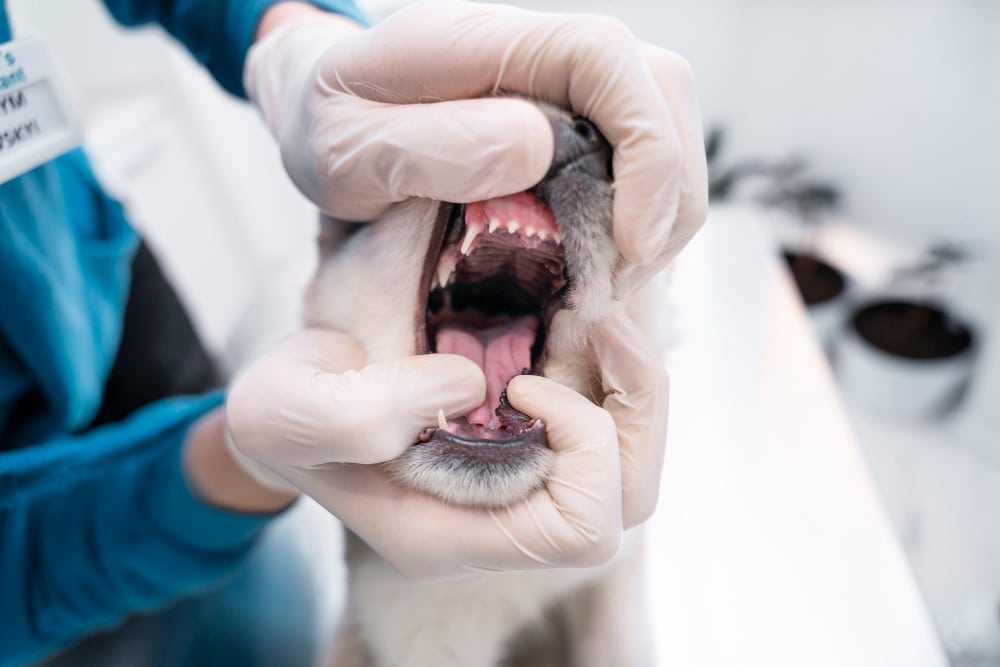
A professional dental cleaning focuses on removing plaque and tartar from above and below the gumline. It’s a preventative and maintenance procedure done under general anaesthesia to keep teeth and gums healthy. Dental surgery, on the other hand, is needed when problems like fractured teeth, abscesses, or severe gum disease are present. Surgery may include tooth extraction for pets, removal of growths, or treatment of oral trauma. The choice depends on the severity of dental disease and symptoms.
Anaesthesia is required for thorough dental evaluations, cleanings, and any surgical treatment. It ensures your pet remains still and comfortable while the vet assesses tooth roots, takes X-rays, and performs scaling or extractions. Tooth extraction becomes necessary if a tooth is loose, infected, fractured, or causing pain. Pets may also need extractions due to retained baby teeth or resorptive lesions. Your vet uses imaging and probing to decide when surgical intervention is the safest, most effective option.
Untreated periodontal disease can lead to chronic oral pain, tooth loss, jawbone damage, and infections that spread through the bloodstream. Bacteria entering circulation may harm organs like the heart, kidneys, and liver, reducing your pet’s lifespan and overall well-being. Severe dental disease often develops silently, making regular cleanings and vet exams essential. Without timely care, pets suffer needlessly, and the risk of systemic complications increases. Early treatment significantly lowers health risks and improves long-term outcomes.
When Should You Book a Dental Appointment?
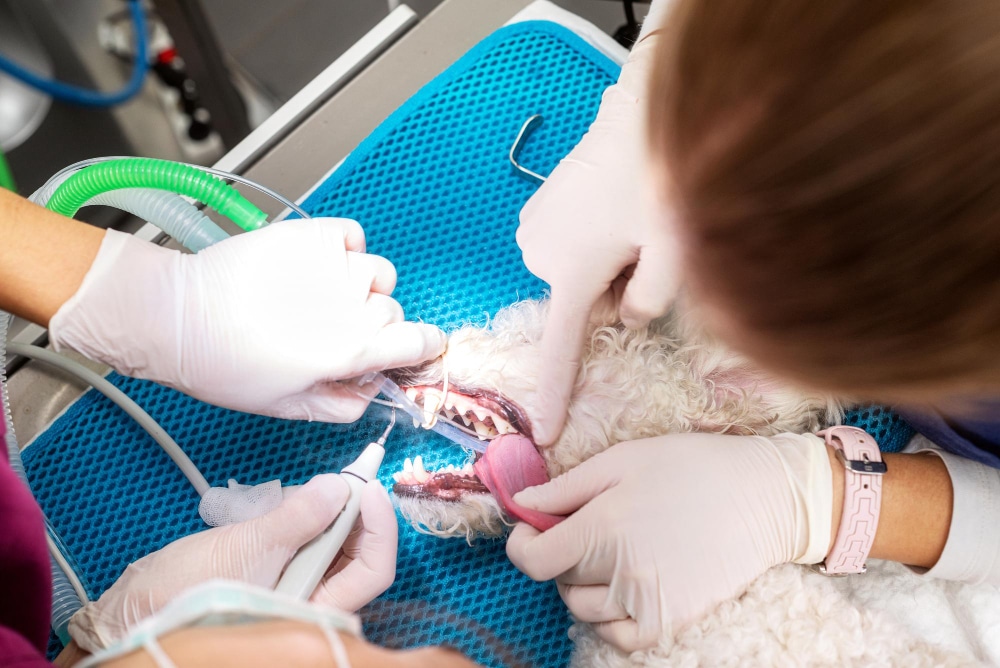
A professional dental cleaning focuses on removing plaque and tartar from above and below the gumline. It’s a preventative and maintenance procedure done under general anaesthesia to keep teeth and gums healthy. Dental surgery, on the other hand, is needed when problems like fractured teeth, abscesses, or severe gum disease are present. Surgery may include tooth extraction for pets, removal of growths, or treatment of oral trauma. The choice depends on the severity of dental disease and symptoms.
Anaesthesia is required for thorough dental evaluations, cleanings, and any surgical treatment. It ensures your pet remains still and comfortable while the vet assesses tooth roots, takes X-rays, and performs scaling or extractions. Tooth extraction becomes necessary if a tooth is loose, infected, fractured, or causing pain. Pets may also need extractions due to retained baby teeth or resorptive lesions. Your vet uses imaging and probing to decide when surgical intervention is the safest, most effective option.
Untreated periodontal disease can lead to chronic oral pain, tooth loss, jawbone damage, and infections that spread through the bloodstream. Bacteria entering circulation may harm organs like the heart, kidneys, and liver, reducing your pet’s lifespan and overall well-being. Severe dental disease often develops silently, making regular cleanings and vet exams essential. Without timely care, pets suffer needlessly, and the risk of systemic complications increases. Early treatment significantly lowers health risks and improves long-term outcomes.
FAQs About Pet Dental Care
What is pet dental care?
Pet dental care involves brushing, professional cleanings, dental diets, and routine vet checkups to prevent plaque, tartar, and oral disease.
What is the best dental care for dogs?
Daily tooth brushing, annual professional cleanings, and approved dental chews provide the best dental care for dogs.
What is the best thing for cleaning dogs' teeth?
Brushing daily with a dog-specific toothbrush and enzymatic toothpaste is the most effective method for cleaning dogs’ teeth.
What is the most common dental problem in dogs?
Periodontal disease is the most common dental issue, affecting over 80% of dogs by age three.