
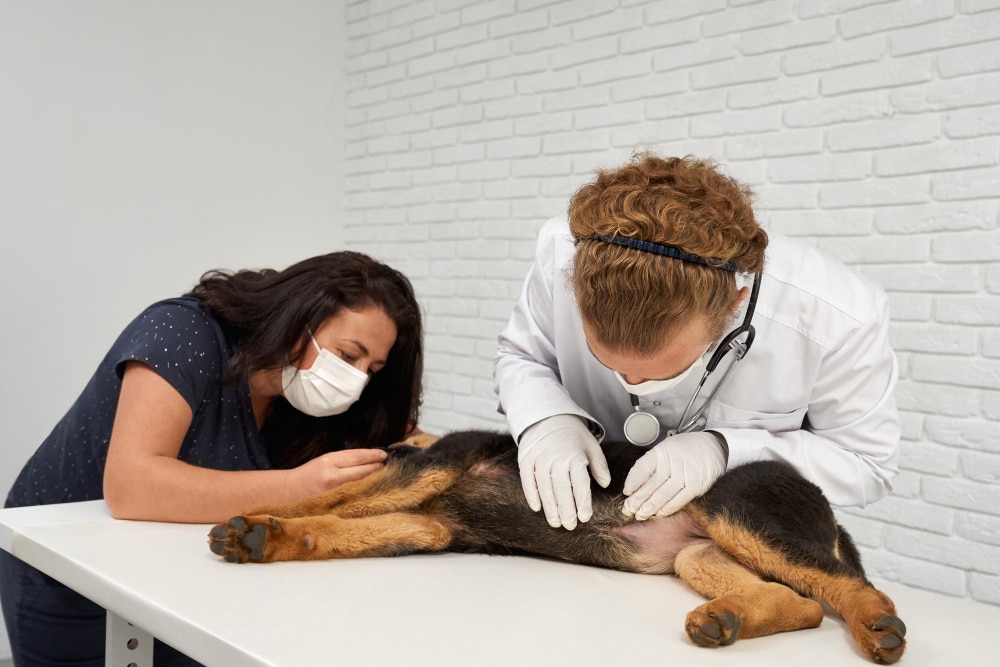
If your pet is experiencing a health crisis, this page will guide you calmly through what to do next. Whether it’s late at night or during a weekend, pet emergencies often happen when least expected. We understand how frightening this can feel, so here you’ll find clear steps, trusted advice, and practical guidance to help you act fast and get your pet the care they urgently need day or night.
Recognising a true emergency can save your pet’s life. Fast action in cases like trauma, breathing problems, seizures or toxin ingestion can significantly improve the outcome. Don’t wait if something feels wrong, trust your instincts. Symptoms like sudden collapse, severe vomiting, or unresponsiveness are red flags. Learning how to know if your pet is sick can help you spot the early signs and seek help before things worsen.
Emergency veterinary care in the UK covers a wide range of urgent situations. This includes 24/7 access to clinics, emergency surgeries, and pet first aid. Whether you’re dealing with severe bleeding, a road traffic accident, or difficulty breathing, many practices operate outside normal hours or partner with emergency hospitals. You’ll also find resources beyond general veterinary consultations, such as mobile services, first aid courses for pet owners, and after-hours advice lines ready to support you.
Table of Contents
- What Counts as a Pet Emergency?
- Signs Your Pet Needs Emergency Vet Care
- Emergency Vet Near Me – What to Do First
- Where Can I Find a 24-Hour Vet Service in the UK?
- Common Pet Emergencies Treated by Vets
- Emergency Surgery for Pets
- What First Aid Can I Do for My Pet Before Reaching the Vet?
- What Types of Surgery Are Performed in Emergencies?
- Poisoning and Toxin Exposure
- Emergency Care for Cats vs Dogs
- What Happens During an Emergency Vet Visit?
- Emergency Vet Costs and Payment Options
- When an Emergency Becomes End-of-Life Care?
- Emergency Vet FAQs
- Related Services & Resources
- Need to book a veterinary appointment today?
What Counts as a Pet Emergency?
Certain symptoms require immediate veterinary care to prevent suffering, long-term harm, or death. Common signs of a pet emergency include collapse, heavy or uncontrolled bleeding, seizures, choking, and heatstroke. Breathing difficulties, continuous vomiting, and unresponsiveness also indicate urgent risk. If your pet appears dazed, disoriented, or in visible pain, call a vet straight away. Don’t wait to see if symptoms improve early treatment can save lives and reduce the risk of lasting damage or expensive interventions later.
Some pet illnesses that become emergencies include chronic conditions like gastric torsion (bloat) in dogs and urinary blockages in male cats. Both can cause rapid deterioration if not treated within hours. Bloat leads to dangerous swelling and internal pressure, while blocked cats may show distress and strain to urinate with no output. Diabetes complications, heart failure, and collapsing episodes in epileptic pets also fall into this category. These are flare-ups that might seem manageable but quickly escalate to life-threatening levels.
Not every symptom requires immediate action, but knowing when to act is key. Seizures lasting over five minutes, heavy bleeding, or difficulty breathing always need urgent care. Minor limping, mild vomiting or temporary lethargy might be monitored, but contact your vet if symptoms persist or worsen. When in doubt, call your local practice. Many clinics offer guidance by phone to help you assess the situation. Acting promptly during emergencies offers the best chance of recovery and reduces unnecessary suffering.
Signs Your Pet Needs Emergency Vet Care
The signs that your pet needs emergency veterinary care involve rapid deterioration of health, visible trauma, or suspected poisoning, and require immediate veterinary attention to reduce pain, prevent further harm, or save your pet’s life.
You should seek urgent care if your pet exhibits any of the following symptoms or situations:
- Severe respiratory distress, including difficulty breathing or bluish, dark, pale, or white colouring of the tongue and gums.
- Neurological issues such as seizures, collapse, incoordination, head tilting, turning, or circling, or unresponsiveness.
- Uncontrolled or severe bleeding, as well as visible trauma, bite wounds from other animals, or adder bites.
- Suspected ingestion of toxins, medicines (including an overdose of their own medication), or a foreign body.
- Gastrointestinal emergencies include a severely swollen or bloated abdomen (signs of bloat), vomiting with blood, or difficulty urinating.
- Sudden inability to use the back legs.
- Signs of infection, such as pus discharge from the vulva.
- Sudden, severe behavioural change resulting in aggression, or repeated abnormal vocalisations like yelping or howling.
Emergency Vet Near Me – What to Do First
The first thing to do in a pet emergency situation is to immediately contact a veterinary professional. You should always call your regular veterinary practice first, even if you are worried your pet requires urgent treatment, as they provide assistance or guidance for all emergency cases.
If your vet is closed or it is out-of-hours, you can still access urgent care since all practices are required to provide an out-of-hours emergency service. In this event, you should contact the nearest dedicated pet emergency clinic or 24/7 hospital for immediate help, such as Vets Now, if available. Be aware that speaking to the clinic and receiving an emergency consultation will typically incur a specific fee.
Where Can I Find a 24-Hour Vet Service in the UK?
24-hour emergency vet care provides round-the-clock support for urgent medical issues, from trauma and poisoning to breathing difficulties or seizures. These clinics are staffed by experienced vets and nurses equipped to perform diagnostics, stabilise pets, and conduct emergency surgeries. Whether late at night or on bank holidays, emergency clinics offer immediate treatment when your regular vet is closed. You can also ask about home veterinary care if your pet is unable to travel or becomes distressed in clinic settings.
To locate emergency veterinary services near me, use tools like Google Maps or type “emergency vet near me” or “vets near me†into search engines. You can also check the RCVS Find a Vet tool for registered 24-hour practices. Calling your current vet’s number after hours will usually redirect you to their out-of-hours partner. Search phrases like “vet closest to me†or “near me vet†help narrow results by postcode or location, especially during urgent situations.
When arriving at an emergency clinic, your pet will be triaged immediately. This means they’ll be assessed based on urgency, not order of arrival. Expect to complete a form and discuss symptoms with a nurse or vet. The team may begin oxygen therapy, pain relief, or fluid treatment straight away. Emergency fees typically apply, and you may be asked for consent and payment before treatment. Clinics often share updates and explain next steps clearly for peace of mind. For non-critical cases, search for “vets close by me†to find local daytime options.

Common Pet Emergencies Treated by Vets
The common pet emergencies treated by vets often involve conditions that require urgent action due to rapid health deterioration, visible trauma, or suspected poisoning, as veterinary hospitals frequently see numerous life-threatening situations, including:
- Trauma, such as that resulting from a Road Traffic Accident (RTA) or fighting with another animal.
- Internal injuries and shock resulting from trauma are not always easy to identify in the early stages.
- Bite wounds, which almost always require antibiotics and prompt medical attention to stop nasty infections from developing.
- Suspected poisoning.
- Symptoms indicating severe internal distress, such as vomiting with blood.
- A bloated abdomen or difficulty urinating.
- Unresponsiveness indicates a need for urgent care to reduce pain, prevent further harm, or save the pet’s life.
Emergency Surgery for Pets
Emergency surgery for pets is part of the full range of veterinary services, which includes emergency medical procedures, general animal health treatments, and welfare advice. These services are typically available even when host practices close for the day, weekend, or bank holiday, through dedicated out-of-hours clinics staffed by vets and vet nurses across the country. Comprehensive emergency care, along with specialisms like neurology and oncology, is also offered at specialised 24-hour referral hospitals, such as those located in Glasgow and Manchester.
To ensure readiness for unexpected pet health crises and save precious time in the event of an emergency, pet owners should take the following preparatory steps:
- Ask your primary veterinarian about their out-of-hours service details the next time you take your pet for a check-up so you are prepared for the unexpected.
- Keep the dedicated out-of-hours phone number stored in your phone.
What First Aid Can I Do for My Pet Before Reaching the Vet?
Start by ensuring the environment is safe for both you and your pet. Injured animals may bite out of fear or pain, so approach gently and use a towel or muzzle if needed. Check for consciousness, breathing, and bleeding. Keep your pet warm and calm while you arrange transport. This calm intervention is an important part of basic pet first aid, helping to prevent shock or worsening of injuries before veterinary care is available.
If your pet stops breathing and has no heartbeat, you can attempt CPR. Lay them on their right side, compress the chest just behind the elbow joint, and give rescue breaths through the nose if trained. For bleeding, apply steady pressure with a clean cloth. In cases of fractures, avoid manipulating limbs; support with a padded surface for transport. Stabilising pets with careful restraint and wound care can prevent deterioration when surgery becomes urgent.
Never give human medications to pets or attempt to force-feed them. Avoid applying ointments, alcohol, or peroxide to wounds unless advised. Don’t try to splint broken limbs or induce vomiting without veterinary guidance; these actions can worsen injuries or delay proper care. If your pet is having a seizure or struggling to breathe, keep your distance and never put your hands near their mouth. Call your vet immediately and focus on safe, supportive handling while awaiting further instructions.
To locate emergency veterinary services near me, use tools like Google Maps or type “emergency vet near me” or “vets near me†into search engines. You can also check the RCVS Find a Vet tool for registered 24-hour practices. Calling your current vet’s number after hours will usually redirect you to their out-of-hours partner. Search phrases like “vet closest to me†or “near me vet†help narrow results by postcode or location, especially during urgent situations.
When arriving at an emergency clinic, your pet will be triaged immediately. This means they’ll be assessed based on urgency, not order of arrival. Expect to complete a form and discuss symptoms with a nurse or vet. The team may begin oxygen therapy, pain relief, or fluid treatment straight away. Emergency fees typically apply, and you may be asked for consent and payment before treatment. Clinics often share updates and explain next steps clearly for peace of mind. For non-critical cases, search for “vets close by me†to find local daytime options.
What Types of Surgery Are Performed in Emergencies?
Emergency operations for pets can be life-saving and must be performed without delay. Gastric torsion (GDV) is especially urgent in deep-chested dogs and requires rapid surgery to untwist the stomach. Trauma repair, such as for fractures or internal bleeding, follows road accidents or bites. Emergency C-sections are critical during obstructed labour. These procedures are among the most complex types of pet surgeries, demanding swift diagnosis, skilled surgical intervention, and immediate aftercare to maximise survival and reduce complications.
Before emergency surgery, vets stabilise the pet with oxygen, fluids, and pain relief. Pre-operative diagnostics, like blood tests and imaging, assess organ function and locate the issue. Anaesthetic risk depends on the animal’s age, condition, and surgery type. For example, internal bleeding or sepsis elevates risk significantly. While not elective, these procedures still follow stringent veterinary protocols. Owners are briefed quickly about risks, outcomes, and informed consent. Success heavily depends on fast action and the pet’s condition upon arrival.
Post-operative care involves IV fluids, antibiotics, pain control, and close monitoring, often in an intensive care unit. Recovery times vary: trauma repair may require weeks of crate rest, while internal surgery demands wound checks and restricted activity. Emergency vet fees reflect the urgency, surgical complexity, out-of-hours service, and equipment used. Costs range from £800 to over £3,000 depending on the surgery. Discussing insurance and financial options with your clinic helps ease the burden of unexpected expenses following emergency operations for pets.
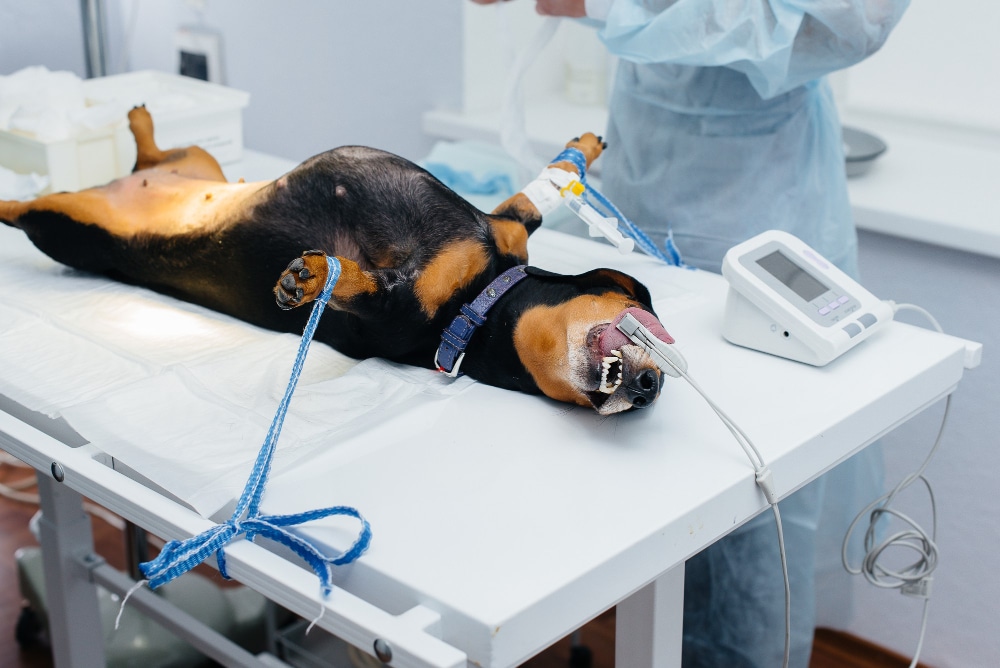
Poisoning and Toxin Exposure
Poisoning and toxin exposure pose a serious risk to pets, as many common household substances that are harmless to humans can be fatal to dogs. It is crucial to know which toxic substances to keep away from your pet and to be aware of the symptoms that may indicate a problem in case your dog has eaten something poisonous.
If you suspect that your pet may have eaten, touched, or inhaled something they shouldn’t have, early intervention is critical for ensuring their chances of a full recovery. Prompt action significantly impacts the outcome in poisoning cases, so you must consult your veterinarian immediately for guidance and treatment if you suspect your pet has been exposed to a toxic substance.
Emergency Care for Cats vs Dogs
Emergency care for cats and dogs requires quick action, relying on instinct while following critical safety and transport guidelines:
- If your cat seems “off” or your dog’s condition worsens quickly, trust your instincts and seek veterinary help immediately.
- To help calm an injured or distressed animal, cover their head and eyes with a cloth.
- For safe transport of a cat, wrap them securely in a towel to limit movement and place them in a dark box that has sufficient breathing holes.
- Do not give any human painkillers, such as ibuprofen or aspirin. Note that paracetamol (acetaminophen) is highly toxic, particularly to cats.
What Happens During an Emergency Vet Visit?
What happens during an emergency vet visit involves an immediate, structured process designed to prioritise life-saving care and develop a personalised treatment plan. Upon arrival, an emergency team is available to provide immediate support for the pet. If there is likely to be a delay before a veterinarian is available, a qualified veterinary nurse performs a comprehensive triage assessment. Triage is a method used to prioritise cases based on the severity of the pet’s condition, ensuring that the most critically ill or injured pets receive immediate attention.
Following initial triage, a veterinarian performs a thorough examination to understand the pet’s specific needs. The emergency team works collaboratively, often with the pet’s regular veterinarian, to develop a personalised care plan for ongoing treatment and life-saving care.
Emergency Vet Costs and Payment Options
Emergency vet costs and payment options involve both an up-front payment requirement upon admission and various financial arrangements available to help clients spread the expense.
Emergency veterinary practices often require up-front payment when a pet is admitted to the clinic, especially before elective treatments are delivered. This is necessary because it is often impossible for the veterinary practice to communicate with the pet owner’s insurance company in out-of-hours circumstances. Practices want to emphasise, however, that they will never leave an animal in distress and will work with owners to find the best course of action should a financial situation arise.
To help clients manage and spread the cost, some vets offer payment plans through a credit company. While not every vet can offer this option, formal finance options are often available, including:
- A range of interest-free and interest-bearing finance options to help spread the cost over defined periods.
- Payment plans that can be structured over 6, 12, 18, or 24 months.
- Loan values typically range between £250 and £15,000.
- A required deposit that the client can choose, usually falling between 1% and 50% of the total loan value.
When an Emergency Becomes End-of-Life Care?
The determination of when an emergency becomes end-of-life care is primarily driven by the pet’s acute suffering and the need to preserve their welfare. Ideally, pet hospice and end-of-life care should be managed proactively at home with veterinary support, preventing the situation from escalating into a crisis that necessitates emergency action. Pet owners are advised to avoid denial of a terminal disease and remain in control of the situation, often considering the adage, “better a week too early, than a day too late.â€
Preparing yourself by understanding the process of euthanasia can help ease the accompanying distress and guilt, allowing you to make informed decisions that focus on what is truly best for your beloved companion. However, when a pet is actively suffering, the vet may advise that euthanasia needs to happen immediately to preserve the pet’s welfare, turning the emergency into a necessary end-of-life measure. In these circumstances, the decision may need to happen quickly, with little time to prepare. Regardless of the urgency, a vet or vet nurse will explain the process, and owners are typically able to have a few quiet moments alone with their companion to say goodbye.
Emergency Vet FAQs
What is classed as a vet emergency?
A vet emergency includes life-threatening issues like breathing difficulty, seizures, collapse, heavy bleeding, poisoning, or blocked urination.
What do vets do if you can't afford treatment?
Vets may offer payment plans, refer you to a charity clinic, or prioritise essential care to manage costs.
What to do if your animal is having an emergency?
Stay calm, call your vet immediately, give basic first aid if safe, and transport your pet to the nearest emergency clinic.