
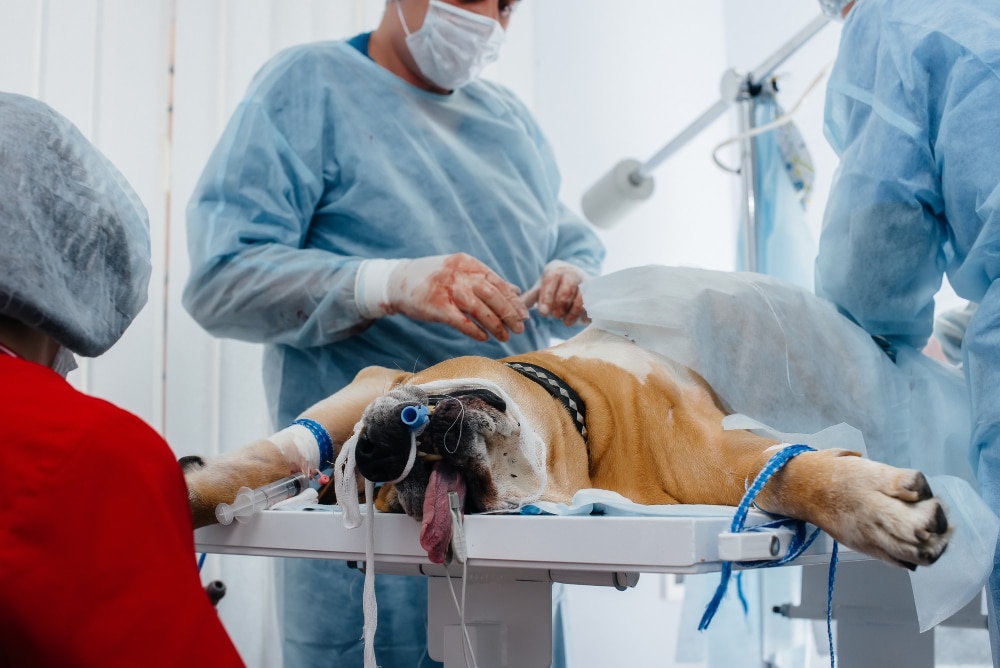
Veterinary surgical services are essential to maintaining pet health, comfort, and lifespan. They enable precise diagnosis, treatment, and prevention of injuries or diseases that medication alone cannot resolve. From removing tumours to correcting broken limbs, these procedures relieve pain and restore mobility. Spaying, for example, prevents uterine infections, while orthopaedic surgeries improve joint function. With access to advanced tools and expert care, veterinary surgery ensures pets lead active, pain-free lives. These outcomes define modern veterinary services across the UK.
Veterinary clinics in the UK offer a wide spectrum of procedures, spanning from routine desexing to life-saving interventions. Common surgeries include spay/neuter, dental cleaning, and soft tissue removals. Emergencies, such as fractures or internal obstructions, require immediate surgical attention to stabilise pets. Orthopaedic operations fix chronic mobility issues like hip dysplasia, while exploratory surgeries help diagnose internal conditions. Each procedure, whether planned or urgent, supports long-term health and survival, underpinning the full scope of modern veterinary care.
This guide outlines the most common surgical procedures available to UK pet owners. It focuses on three key areas: spaying and neutering, which help control populations and prevent disease; dental procedures, addressing oral health and pain; and orthopaedic operations, which improve movement and quality of life. You’ll also learn about soft tissue and emergency surgeries, diagnostic options like biopsies, and how to prepare for and manage recovery after an operation. The goal is to provide a practical overview of essential veterinary services.
Table of Contents
- What Types of Surgery Do Vets Perform on Pets?
- What Is Spaying and Neutering, and Why Is It Important?
- When Does a Pet Need Dental Surgery?
- What Is Soft Tissue Surgery in Pets?
- What Is Orthopaedic Surgery and When Is It Necessary?
- What Is TPLO Surgery for Dogs?
- What Is Anaesthesia Safety in Veterinary Surgery?
- What Are Some Other Common Surgeries Pets Might Need?
- How to Prepare Your Pet for Surgery?
- What to Expect Before and After Pet Surgery?
- When Is Surgery an Emergency?
- How Vets Decide If Surgery Is Necessary?
- Frequently Asked Questions About Pet Surgery
- Related Services and Preventive Care
- Need to book a veterinary appointment today?
What Types of Surgery Do Vets Perform on Pets?
The types of surgery vets perform on pets are varied, generally classified as either routine/elective or urgent/emergency procedures.
Veterinarians often have considerable experience in small animal surgery and undertake a variety of surgical procedures, ranging from basic suturing to major operations. These commonly fall into the broad categories of soft tissue surgery and orthopaedic procedures, including the following:
- Soft Tissue Surgeries: A wide range of procedures involving a pet’s internal organs, body wall, masses or tumours, hernias, or other defects. Examples include routine spay/neuter, mass/tumour/lump removals, intestinal foreign body removal, and eye surgery.
- Wound and Trauma Repair: Procedures ranging from basic suturing of wounds to laceration and complex wound repair.
- Major and Minor Abdominal Surgery: Procedures required for serious internal issues.
- Orthopaedic Surgery: This category covers procedures such as fracture repairs.
What Is Spaying and Neutering, and Why Is It Important?
Spaying is the surgical removal of a female animal’s ovaries and usually the uterus, stopping reproduction and hormone cycles. Neutering, or castration, is the removal of a male animal’s testicles. Both are safe, routine procedures performed under anaesthesia. These interventions form a crucial part of preventive care, helping reduce health risks and manage behaviour. As core components of veterinary services, they contribute directly to animal welfare and responsible pet ownership in the UK.
The benefits of spaying and neutering include lower risks of reproductive cancers, uterine infections, and prostate issues. Behaviourally, sterilised animals tend to roam less, mark less, and show reduced aggression. Cats stop spraying and yowling, while dogs show less mounting behaviour. Sterilised pets often have longer lifespans, likely due to the reduced risk of hormone-related diseases and fewer injuries from mating-related fights or accidents. These health and behavioural gains support happier, more manageable pets.
Veterinarians recommend neutering or spaying cats by five months of age, while dogs are assessed individually. Timing depends on breed, size, and health. Small dogs may be neutered at six months, while larger breeds might benefit from waiting until full development. There’s no proven health benefit in delaying spaying until after the first heat. Early-age procedures are safe when performed by professionals and provide early protection against unwanted pregnancies and hormone-related conditions.
Spaying and neutering directly reduce the number of stray or abandoned animals. Overpopulated shelters across the UK often euthanise thousands of pets annually due to space limits. Preventing unplanned litters lowers the strain on rescue services and improves rehoming rates. Some local councils support neutering through low-cost schemes or microchipping mandates. By choosing sterilisation, owners align with public health goals and fulfil part of their legal and ethical responsibility as pet guardians.
When Does a Pet Need Dental Surgery?
Pets commonly undergo dental surgeries such as tooth extractions, oral abscess removals, and treatment for gum disease or oral tumours. Extractions are often required when teeth are fractured, decayed, or causing infections. In more complex cases, surgery may involve jaw repair or tumour removal. Cats with chronic stomatitis may need full-mouth extractions. These procedures help resolve pain, control infection, and prevent systemic complications that could affect major organs like the heart and kidneys.
Watch for signs your pet needs dental surgery, such as persistent bad breath, difficulty chewing, drooling, or pawing at the mouth. Other red flags include swollen gums, facial swelling, loose or broken teeth, and visible oral masses. Pets often mask pain, so even subtle symptoms may indicate severe dental disease. Ignoring these signs may lead to worsening infection or irreversible damage, making early veterinary evaluation essential to ensure both comfort and long-term health.
All pet dental surgeries are performed under general anaesthesia for safety and comfort. Vets assess overall health beforehand using blood tests and dental X-rays. During surgery, pets are closely monitored for heart rate, oxygen levels, and blood pressure. Aftercare includes pain management, antibiotics, and soft food. Though risks exist, like with any surgery, they’re typically low when handled by trained professionals. A calm recovery space at home supports healing and reduces stress during the recovery period.
Routine cleanings remove tartar and plaque from the tooth surface and under the gumline. They’re preventive and done while the pet is under anaesthesia, but involve no cutting or tooth removal. Dental surgery, in contrast, treats advanced disease or trauma. It may involve incisions, extractions, or bone work to address decay, infections, or growths. Surgery goes beyond cleaning; it’s corrective or lifesaving, while routine care focuses on prevention. Both are vital in maintaining oral health.
What Is Soft Tissue Surgery in Pets?
Soft tissue surgery in pets covers non-orthopaedic operations, including tumour removals, gastrointestinal repairs, and urinary tract procedures. It also includes hernia repair for dogs, bladder stone removal (cystotomy), wound treatment, and organ surgery involving the spleen, liver, or kidneys. These surgeries aim to treat internal issues, remove abnormal growths, or resolve congenital defects. They’re often performed when medications fail or immediate intervention is needed to prevent complications, infection, or further deterioration of health.
Pets may need soft tissue surgery for several health issues, including digestive obstructions, internal bleeding, organ enlargement, or skin masses. Hernias can cause discomfort or organ entrapment, requiring urgent repair. Tumours, benign or cancerous, are removed for diagnosis or to prevent spread. Bladder stones, common in dogs and cats, must often be surgically removed to restore normal urination. These surgeries are not cosmetic but medically necessary to resolve pain, dysfunction, or life-threatening conditions.
Recovery from soft tissue surgery depends on the procedure’s complexity, but most pets need rest, pain management, and sometimes antibiotics. Recovery may take from several days to a few weeks. Owners should expect follow-up visits, suture checks, and possible dietary adjustments. Costs vary widely; simple lump removals may cost under £300, while abdominal procedures can exceed £1,000. Pet insurance may cover these expenses. Always discuss pricing, recovery timelines, and care plans with your vet in advance.
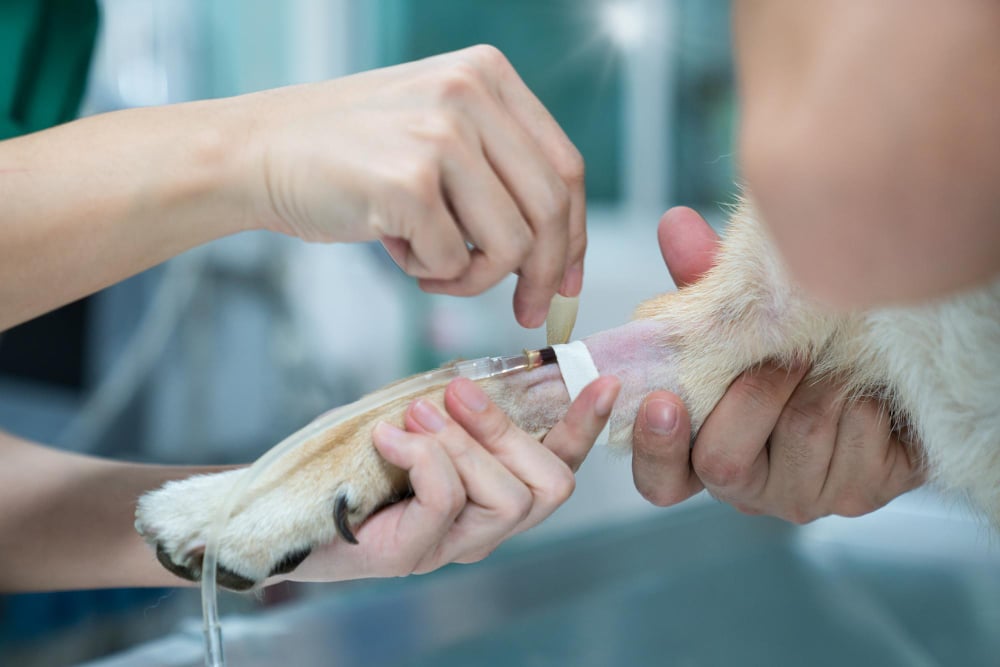
What Is Orthopaedic Surgery and When Is It Necessary?
Orthopaedic surgery is essential when pets suffer from musculoskeletal issues like fractures, dislocations, torn ligaments, or chronic joint diseases. Common conditions include hip dysplasia, cruciate ligament tears, luxating patellas, and elbow dysplasia. These problems can arise from injury, genetics, or degeneration. Without treatment, pets may experience chronic pain, mobility loss, or arthritis. Surgery aims to stabilise affected areas, restore movement, and prevent further deterioration. Early intervention greatly improves outcomes and long-term comfort.
Routine procedures include fracture repairs using pins or plates, hip and elbow surgeries, and cruciate ligament repair, often performed using techniques like TPLO or TTA. Joint surgeries may involve removing damaged cartilage or replacing entire joints with implants. For severe or untreatable conditions, amputation may be considered to relieve pain and restore mobility. These surgeries are precise and tailored to the pet’s anatomy, using advanced imaging and surgical tools to ensure successful outcomes.
Rehabilitation is critical to recovery and long-term success. Most pets need structured physical therapy, including hydrotherapy, laser treatment, or controlled exercises. Pain is managed with prescribed medications, while movement is gradually reintroduced to avoid strain. Full recovery can take weeks to months, depending on the surgery. Regular follow-ups and nutritious foods ensure the healing process is on track. Owners play a key role by following care instructions and supporting activity restrictions during the initial healing phase.
What Is TPLO Surgery for Dogs?
TPLO stands for Tibial Plateau Levelling Osteotomy, which is a surgical procedure used to manage either full or partial rupture of the cranial or anterior cruciate ligament (CCL) in a dog’s knee (stifle) joint. The CCL is essential for stabilising the joint. The TPLO procedure involves changing the angle of the tibial plateau (the top of the shin bone) by cutting the bone, rotating it, and then stabilising it in the new position using a plate and screws.
What Is Anaesthesia Safety in Veterinary Surgery?
Anaesthesia safety in veterinary surgery is dependent on a structured and organised approach to patient care and adhering to best practice guidelines. Safe anaesthesia is achievable in all practices without being overly expensive or time-consuming. Organisations like the AVA (Association of Veterinary Anaesthetists) design guidelines to make it easier for veterinary practices and pet owners to understand what best practice in veterinary anaesthesia should involve.
A structured and organised approach to anaesthesia makes a critical difference in patient safety, requiring careful preparation across several key areas:
- The thorough assessment and preparation of the patient, drugs, and equipment.
- The utilisation of cognitive aids, such as checklists, helps even experienced anaesthetists provide safer anaesthesia.
- Ensuring the appropriate training and support for the veterinary team involved in monitoring and maintenance, including Listed and student veterinary nurses. This aspect requires that any advice regarding assistance must be practicable and supported by adequate evidence, a concern previously addressed by groups like the Practice Standards Working Group and the Advisory Committee.
What Are Some Other Common Surgeries Pets Might Need?
Foreign Body Removal
This surgery is used when pets swallow objects that become lodged in their digestive tract. Vets may use endoscopy or open surgery, depending on the object’s size and location. Symptoms include vomiting and abdominal pain. Prompt removal prevents severe complications like bowel perforation, infection, or sepsis.
- Risks: Anaesthesia, intestinal damage, sepsis.
- Benefits: Lifesaving; resolves vomiting and obstruction.
- Recovery: 2–3 weeks with strict rest, antibiotics, pain meds.
Cataract Surgery
Cataract surgery helps restore vision by removing the cloudy lens and replacing it with an artificial one. It’s typically done using ultrasound-based phacoemulsification. The procedure is safe and has a high success rate, especially in dogs, improving both vision and quality of life significantly.
- Risks: Inflammation, glaucoma, retinal detachment.
- Benefits: Restores vision, improves quality of life.
- Recovery: Eye drops, e-collar, activity restriction for 4 weeks.
Skin Surgery
Skin surgery treats wounds, tumours, or problematic skin folds. Vets may use flaps or grafts to cover large defects. These procedures relieve pain, prevent infection, and often improve appearance. Early intervention and skilled surgical technique can lead to faster healing and better functional outcomes.
- Risks: Infection, delayed healing.
- Benefits: Removes tumours, repairs wounds, cosmetic improvement.
- Recovery: Bandaging, wound checks, suture removal in 10–14 days.
Urinary Tract Surgeries
These surgeries resolve blockages, stones, and infections in the bladder or urethra. Procedures include cystotomy and perineal urethrostomy, particularly in male cats. Surgery restores normal urination and prevents life-threatening complications such as bladder rupture or chronic infections, especially in recurring cases.
- Risks: Urine leakage, infections, incontinence.
- Benefits: Restores urination, removes stones or tumours.
- Recovery: Restricted activity, antibiotics, follow-ups for complications.
Ophthalmic Surgeries
Eye surgeries address conditions like cherry eye, corneal ulcers, or glaucoma. Vets may also remove tumours or correct eyelid deformities. In severe cases, eye removal (enucleation) is necessary. These procedures reduce pain, preserve vision, and manage ocular disease progression.
- Risks: Vision loss, infection, anaesthetic risks.
- Benefits: Treats eyelid defects, ulcers, glaucoma.
- Recovery: Eye drops, e-collar, vet checks over several weeks.
Neurological Surgeries
These complex surgeries treat spinal disc disease, brain tumours, or nerve injuries. Procedures like spinal decompression or tumour excision aim to restore mobility and alleviate pain. Neurological surgeries often require specialised imaging and advanced post-op care, but outcomes can be life-changing for affected pets.
- Risks: Paralysis, pain, recurrence.
- Benefits: Relieves spinal pressure, restores nerve function.
- Recovery: Extended rehab, physiotherapy, mobility aids may be needed.
Mass Removal
Masses. Benign or cancerous- are surgically removed to prevent growth or spread. The vet excises the lump and surrounding tissue, often sending samples for biopsy. Mass removal helps relieve discomfort, improve mobility, or eliminate cancer risk. Early removal is key for the best outcomes.
- Risks: Incomplete removal, bleeding, recurrence.
- Benefits: Diagnoses and treats benign or malignant growths.
- Recovery: Biopsy follow-up, wound care, vet checks.
Keyhole Surgery
Keyhole (laparoscopic) surgery uses small incisions and a camera for internal procedures like spays or biopsies. It causes less pain, reduces infection risk, and promotes quicker recovery. Common in spays or gastropexy, this method is ideal for patients where minimal trauma is critical.
- Risks: Equipment limits, may convert to open surgery.
- Benefits: Faster healing, less pain, fewer infections.
- Recovery: Shorter recovery time, quicker return to.
Amputation
Limb amputation may be necessary due to trauma, cancer, or chronic pain. It’s a humane option when the limb is no longer functional. Pets typically adapt well to life on three legs, regaining mobility quickly with support. It often drastically improves quality of life.
- Risks: Bleeding, infection, adaptation challenges.
- Benefits: Pain relief, life-saving in cancer or trauma.
- Recovery: Wound care, restricted movement, eventual mobility restoration.
How to Prepare Your Pet for Surgery?
Preparing your pet for surgery involves specific steps to ensure the procedure is safe and successful. Understanding the pre-operative guide can make the whole process easier for you and your companion.
Key steps for preparing cats and dogs for most surgical procedures include:
- Fasting Guidelines: No food should be given to your dog or cat after 10 PM the evening before the operation. Adherence to this fasting requirement is essential, as accidental feeding may lead to the operation being postponed.
- Water Availability: Water should generally be kept available overnight, although procedures often require pets not to be given water between certain times on the day before the operation.
- Puppy Exception: Puppies under five months of age are an exception and may be offered a small meal before 7 AM on the morning of surgery.
- Cat Management: Cats must be kept indoors the night before the surgery to prevent them from finding and eating food outside.
- Multi-Pet Households: If you have more than one pet, you may need to feed them in separate rooms to ensure the surgery patient adheres strictly to the fasting requirements.
- Disclosure: If your pet manages to eat or drink anything outside of the required times, ensure you immediately tell the vet or vet nurse upon admission.
What to Expect Before and After Pet Surgery?
Before surgery, your vet will guide you through a few essential steps. Most pets must fast from food for around 12 hours to prevent vomiting under anaesthesia. Your vet may carry out pre-op blood tests and a physical exam to ensure your pet is fit for surgery. You’ll sign consent forms and discuss any risks. Preparing a calm recovery space at home and understanding medication routines in advance is also important for post-surgery success.
After surgery, pets typically feel drowsy and may have a reduced appetite for 24 to 48 hours. They must rest in a quiet area, away from stairs or energetic activity. Medication, often including pain relief and antibiotics. should be given exactly as prescribed. Follow-up appointments are crucial to monitor healing and remove stitches if needed. Keeping to all aftercare advice and attending routine checkups for pets helps prevent complications and supports smooth recovery after any surgical procedure.
Post-operative pain is managed through vet-prescribed medications and, in some cases, anti-inflammatory drugs. Pain relief is often given both during and after the procedure. Wound care includes monitoring for swelling, discharge, or redness. The incision site must stay clean and dry; no bathing until advised. Use an e-collar if your pet tries to lick or chew the area. If you notice excessive bruising, a foul smell, or broken sutures, contact your vet immediately for assessment.
When Is Surgery an Emergency?
Emergency surgery is required when a pet’s condition poses an immediate risk to life or long-term health, demanding urgent surgical intervention to stabilise and save the animal. These situations are critical medical responses, often necessitated by conditions such as internal bleeding, severe traumatic injuries, or blocked intestines. Recognising the following signs indicates that a pet needs immediate veterinary attention and potentially emergency surgery:
- Signs of Gastric Dilation and Torsion (Bloat): This is a critical emergency often seen in dogs, characterised by retching or trying to vomit while producing nothing or only a small amount of mucus, often accompanied by an abdomen that is becoming bigger, hard, or distended.
- Severe or unrelenting bleeding that will not stop.
- Difficulty breathing or pale gums.
- Loss of consciousness or collapse.
- Severe pain or profound distress.
- Inability to urinate or defecate can signal potentially life-threatening blockages in the intestines or urinary tract.
- Persistent vomiting or dry heaving.
How Vets Decide If Surgery Is Necessary?
Vets decide if surgery is necessary by first providing an accurate diagnosis and only recommending the procedure when it is in the pet’s best interest, as timely intervention for unusual behaviour or symptoms is often key to a positive outcome. Veterinarians do not recommend surgery lightly; they discuss all available treatment options thoroughly with the owner, including less invasive alternatives such as medication or physical therapy.
The final surgical determination involves a comprehensive assessment of the animal, balancing medical data, the veterinarian’s experience, and compassion for the pet. Specific criteria assessed in the decision-making process include:
- The pet’s age and current medical condition.
- Their overall lifestyle.
- The overall prognosis for recovery.
Frequently Asked Questions About Pet Surgery
What is the most common surgery for animals?
Spaying and neutering are the most frequently performed surgeries for dogs and cats.
How do I prepare my pet for surgery?
Follow fasting instructions, ensure vaccinations are up to date, and complete any required blood tests or consent forms.
What are the surgical techniques used in veterinary medicine?
Common techniques include open surgery, laparoscopic (keyhole) surgery, endoscopy, and orthopaedic fixation.
What is the most expensive surgery for animals?
Spinal surgery and complex orthopaedic procedures, such as total hip replacement, are among the most expensive.