

Routine veterinary care is essential for safeguarding your pet’s long-term health. Many illnesses, including dental disease, obesity, arthritis, and heart issues, develop gradually and show few early symptoms. Regular checkups help vets identify these problems early, preventing discomfort and avoiding costly emergency treatments later. Preventive care also supports vaccinations, parasite control, and tailored health monitoring. Whether your pet is a playful pup or a senior companion, consistent veterinary visits ensure they stay healthy, comfortable, and happy throughout all life stages.
Pet owners across the UK have access to a wide range of veterinary clinic services designed to cover all aspects of animal care. These include routine consultations, diagnostics, vaccinations, dental checkups, parasite treatments, and chronic condition management. Many clinics also offer pet grooming, nutritional advice, behavioural training, and even specialist services like acupuncture or mobile vet care. Whether at a local practice or through at-home visits, modern veterinary care is flexible and focused on improving your pet’s overall quality of life.
This guide offers a detailed look at veterinary clinic services in the UK. You’ll learn what to expect from routine vet consultations, how diagnostics play a role in early detection, and the benefits of preventive and home-based care. We’ll also explore common pet needs across different life stages and introduce the most popular pet care services. From vaccinations to advanced mobile visits, this guide helps you understand and navigate the options available. Learn more about our veterinary services and how they can support your pet’s well-being.
Table of Contents
- What Veterinary Clinic Services Do We Provide?
- What Happens During a General Vet Consultation?
- What Diagnostic Services Do Vets Offer?
- What Is Preventive Veterinary Care?
- Are Home Veterinary Visits Available in the UK?
- What Are Repeat Prescriptions in Veterinary Care?
- When Should You Get a Second Opinion for Your Pet?
- How to Book a Veterinary Service Appointment?
- How Do You Choose the Right Veterinary Clinic for Your Pet?
- How Veterinary Clinic Services Support Ongoing Pet Health?
- FAQs About Veterinary Clinic Services
- Related Pet Care Services
- Need to book a veterinary appointment today?
What Veterinary Clinic Services Do We Provide?
The veterinary clinic services provided encompass a wide range of essential, routine, and specialist treatments designed to cover all aspects of animal care for pets.
Common treatments and routine care services generally include:
- Routine and general consultations
- Vaccinations, including annual boosters and first vaccinations for puppies and kittens
- Surgical procedures such as neutering and spaying for dogs and cats
- Diagnostics and dental checkups
- Prescriptions, medications, and parasite treatments
- Microchipping
Many clinics also offer specialised care and additional support services, such as:
- Chronic condition management
- Pet grooming
- Nutritional advice and behavioural training
- Specialist services like acupuncture or flexible options such as mobile vet care and at-home visits
Furthermore, if you live within the postcode catchment area of one of our Pet Hospitals and are receiving benefits, you may also qualify for treatments and assistance with the cost of prescribed medications.
What Happens During a General Vet Consultation?
A general vet consultation begins with a discussion about your pet’s health history, diet, behaviour, and any recent changes. The vet then carries out a full physical exam, checking eyes, ears, mouth, skin, and vital signs. They may also assess weight, mobility, and abdominal health. Preventative care, such as vaccinations, flea treatments, and dietary advice, is often covered. For more details on what’s involved, visit our general vet consultation page.
Vet consultations are suitable for pets of all ages, whether it’s for routine check-ups, sudden illness, or age-related concerns in senior animals. Puppies and kittens benefit from regular visits to monitor development and vaccinations, while older pets may need more frequent checks to manage chronic conditions. Consultations also help identify early signs of issues that aren’t yet obvious. For related insights into pet illnesses and risk factors, see our section on pet health conditions.
A standard vet consultation typically lasts 15 to 30 minutes, depending on your pet’s needs and any concerns discussed. Costs vary by clinic and region but are usually in the £30–£60 range for general consultations. Bring any previous medical records, current medications, and details of your pet’s diet and habits. If your pet is showing symptoms, note them in advance. Arriving a few minutes early can also help your pet settle before the exam starts.
What Diagnostic Services Do Vets Offer?
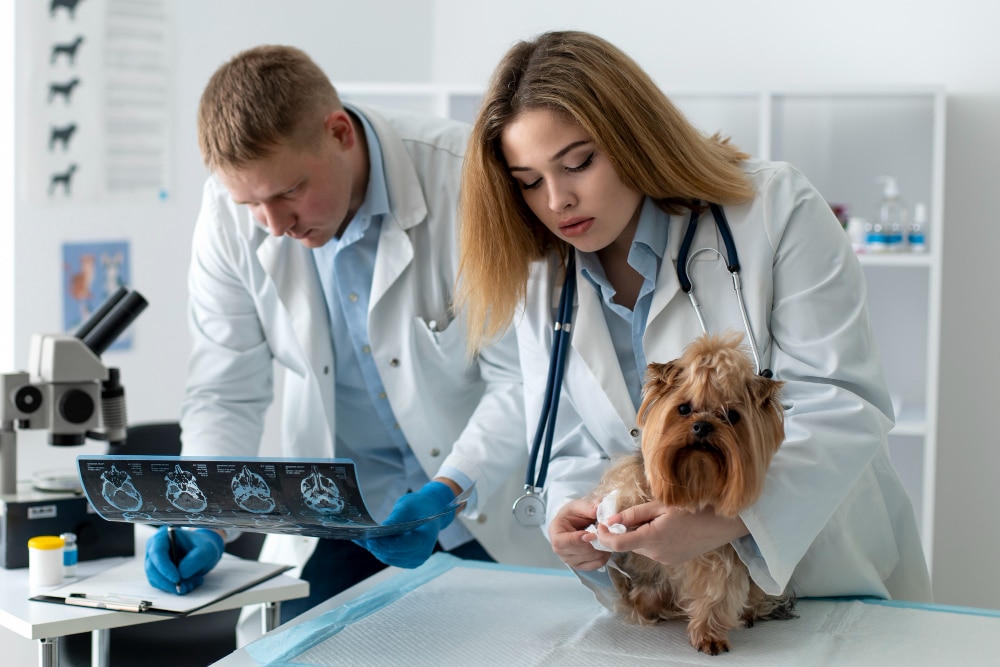
Veterinary diagnostics are essential tools for identifying illness, monitoring chronic conditions, and guiding treatment decisions. Vets in the UK offer a combination of in-house and external lab testing to deliver accurate, timely results. In-house diagnostics like point-of-care blood tests and X-rays allow for immediate decisions during consultations. More complex testing, such as histology or CT scans, may be referred to external laboratories. The balance between both ensures pets receive fast, comprehensive care tailored to their condition and clinical urgency.
Diagnostic services cover a broad spectrum of tests designed to detect hidden health issues early. Vets often begin with a physical examination, followed by targeted tests based on symptoms. Blood work helps assess organ function, infections, and blood disorders. X-rays and imaging detect fractures, joint problems, and internal anomalies. Urinalysis identifies kidney or bladder conditions. Biopsies involve sampling tissue to investigate lumps or chronic inflammation. These tools support accurate diagnoses and enable vets to create specific, effective treatment plans.
Vets recommend diagnostics when pets show unexplained symptoms, suffer injuries, or require pre-surgical screening. Signs like sudden weight loss, vomiting, lethargy, or behavioural changes may warrant deeper investigation. Injuries, chronic conditions, and even age-related changes can all trigger the need for diagnostic workups. Early identification prevents small issues from becoming serious health risks. For detailed service information, visit veterinary diagnostic services, or explore related topics on pet surgery procedures and pet health conditions.
What Is Preventive Veterinary Care?
Preventive veterinary care focuses on keeping pets healthy by identifying risks early and stopping diseases before they start. This approach improves your pet’s quality of life, lowers long-term treatment costs, and can significantly extend their lifespan. Through routine check-ups and tailored advice, vets can detect subtle health changes and act quickly. Professional pet consultations form the foundation of this care, helping pet owners stay ahead of potential problems instead of waiting for symptoms to appear.
Preventive care includes several essential services that support your pet’s lifelong health:
- Vaccinations: Help protect pets from dangerous diseases like distemper, parvovirus, and rabies.
- Parasite prevention: Shields against fleas, ticks, and worms that can cause serious illnesses.
- Wellness plans: Offer structured care packages that include regular check-ups and treatments.
- Nutrition guidance: Supports proper growth, weight management, and disease prevention.
The frequency of preventive care depends on your pet’s age, breed, and health history. Puppies and kittens often need monthly check-ups in the first year, while healthy adult pets benefit from annual visits. Senior pets or those with ongoing conditions may require more frequent assessments. Vets adjust schedules based on life stage and risk factors. A proactive routine, supported by regular professional pet consultations, helps catch issues early and keep your pet in top condition.
Are Home Veterinary Visits Available in the UK?
Home veterinary care is widely available across the UK, offering a practical and low-stress solution for both pets and their owners. Many mobile veterinary services now bring consultations, treatments, and end-of-life support directly to your home. This approach is ideal for pets who are anxious, elderly, or have mobility issues. It’s also helpful for owners with busy schedules, limited transport options, or multiple pets, making quality vet care more accessible and personalised.
Pet owners often request home visits when their pets experience stress at clinics, are too unwell to travel, or during sensitive times like euthanasia. Home visits are also convenient for routine services, such as vaccinations, check-ups, and post-operative care. The setting allows vets to observe pets in their natural environment, leading to more accurate assessments. Families with young children or elderly carers also benefit from avoiding the logistics and time commitment of a trip to the surgery.
Home visit services typically include general consultations, vaccinations, microchipping, prescription renewals, and senior pet care. Some providers also offer in-home diagnostics and palliative support. Importantly, many mobile practices provide end-of-life care, allowing pets to pass peacefully at home. For time-sensitive cases, a few services offer urgent care for pets at home, helping avoid stressful emergency clinic visits. Always check with the vet directly about which services are available during home appointments.
There are several key advantages to at-home care. Pets are calmer in familiar surroundings, making exams and treatments easier. Elderly pets or those with arthritis or mobility issues benefit from not having to travel. Owners also gain peace of mind knowing their pet is relaxed and comfortable. Home visits offer more time and attention than typical clinic appointments, allowing for detailed discussions about behaviour, diet, medication, and long-term care plans, tailored to your pet’s specific needs.
Mobile veterinary practices operate across many regions, including Billericay and surrounding areas in Essex. Availability depends on the provider, so it’s best to confirm coverage directly when booking. Many practices also offer flexible scheduling online or by phone.
What Are Repeat Prescriptions in Veterinary Care?
Repeat prescriptions are ongoing medications typically written by a vet for pets requiring long-term or even lifetime treatment.
These prescriptions can be used more than once, with the exact number of times specified on the document. This service is generally available only to clients who have a current repeat prescription already set up by their vet (e.g., a PDSA vet).
When requesting or collecting medications, clients must adhere to specific guidelines:
- Clients should allow 48 hours before collecting their medications.
- If a pet is unwell or the client has run out of medications and cannot wait, they must call the surgery directly.
- Note that email requests for prescriptions will not be checked outside of normal opening hours.
When Should You Get a Second Opinion for Your Pet?
Second opinions and referral support involve distinct professional actions within veterinary care. A referral is generally requested for a specific diagnosis, procedure, or possible treatment, after which the case is returned to the referring veterinary surgeon. A second opinion, however, is strictly for the purpose of seeking the professional views of another veterinary surgeon. Neither the second-opinion veterinary surgeon nor the referral practice should seek to take over the case, unless the client independently chooses to change practices.
The key to a successful treatment plan is clear communication among all parties involved. Therefore, clients should feel comfortable discussing any aspect of their care, including the need for referrals or second opinions, with their primary veterinary team.
How to Book a Veterinary Service Appointment?
Booking a veterinary appointment in the UK is simple and can usually be done by phone, online, or by submitting a request form on the practice’s website. Most clinics now offer user-friendly booking systems, while some require you to register as a new client first. If you need to book appointment times for routine care like vaccinations or check-ups, online options work well. For home visits or specialised services, it’s best to call and confirm what’s available in advance.
Understanding the difference between an emergency and a scheduled visit is crucial. If your pet is experiencing sudden illness, injury, or distress, you should contact the practice directly by phone. These cases are prioritised and may require immediate attention. Scheduled appointments, such as health checks or non-urgent consultations, can be arranged with more flexibility. Some services, like Vetster or PawSquad, also offer online video consultations for non-emergencies, giving owners more convenience without compromising care quality.
Preparation makes a big difference when visiting the vet. Bring your pet’s medical history, note any current medications, and list symptoms or behaviour changes. This helps the vet make an accurate assessment. Arrive early for your first visit in case forms need completing. For anxious pets, bring a familiar toy or blanket to help them stay calm. Preparing questions in advance ensures you don’t forget key concerns during the consultation and gives your vet everything needed to provide tailored, effective care for your pet.
How Do You Choose the Right Veterinary Clinic for Your Pet?
Choosing the right veterinary clinic can be a daunting and difficult process due to the many available options, but it is worth doing thorough research and homework to ensure that both you and your pet are happy with the practice you pick. A critical part of this essential research involves comparing prices, as different vet practices often charge varying amounts for the same treatments and services, making it worthwhile to compare costs across different providers.
How Veterinary Clinic Services Support Ongoing Pet Health?
Veterinary clinic services support ongoing pet health by extending beyond routine annual check-ups to encompass comprehensive, long-term wellness management. Professionals are dedicated to ensuring overall wellness, focusing not just on treating acute illnesses but also on fostering lifelong health through structured preventive care and emergency services.
Preventive care is crucial as it helps pets live longer, healthier, and happier lives. This routine support reduces the risk of serious illness and promotes daily wellness. The long-term relationship built between clinics and pet owners allows veterinarians to offer consistent, high-quality care that adapts to a pet’s evolving needs over time. This continuous monitoring enables:
- Early detection and routine protection to minimise the risk of serious illness.
- Monitoring of health trends to anticipate potential issues and adjust care plans accordingly.
- Continuous health monitoring leads to faster recovery from minor issues.
- Promotion of lifelong well-being, resulting in stronger immune systems, better energy levels, and balanced behaviour.
FAQs About Veterinary Clinic Services
What are the most common veterinary services?
Vaccinations, health checks, flea and worm treatments, dental care, neutering, and emergency care are the most common services.
What do vets do if you can't afford treatment?
Many vets offer payment plans, reduced-cost options, or may refer you to charities like PDSA or RSPCA for support.
What services are offered by PDSA Veterinary Centre?
PDSA provides free or low-cost treatment for sick and injured pets, including consultations, medication, surgery, and preventive care.
Need to book a veterinary appointment today?
You can book a veterinary appointment today online, by email, or over the phone.