
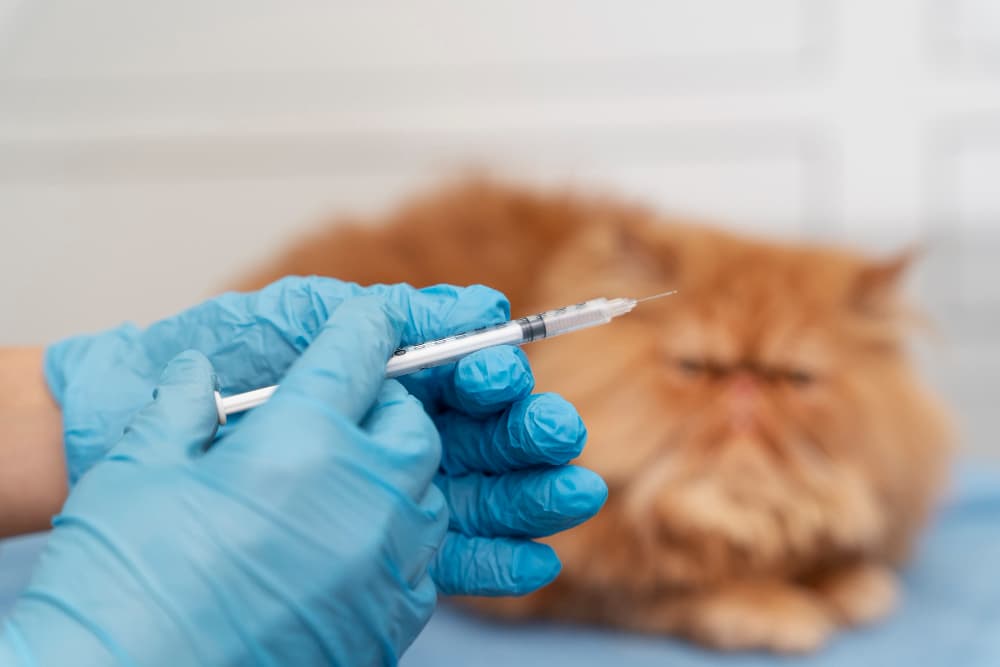
Vaccinations are a vital part of pet healthcare in the UK. They protect dogs and cats from serious, sometimes fatal diseases by strengthening the immune system and preventing the spread of infection. Whether it’s for a playful puppy or a curious kitten, vaccinations build early immunity and reduce long-term health risks. Schedules typically begin at 6-8 weeks of age, with rabies vaccines given from 12 weeks onward. Regular boosters are needed to maintain protection across the pet’s lifetime.
Beyond health benefits, pet vaccinations also carry legal and travel implications. For example, rabies vaccination is mandatory for international travel and must be administered at least 21 days before departure. Microchipping and official health certificates are also required for pet travel to many destinations. These legal safeguards ensure your pet’s safety and help prevent the spread of zoonotic diseases. Under UK law, owners are responsible for their pet’s welfare, including protecting them from pain, suffering, injury and disease and providing appropriate veterinary care when needed.
This guide outlines key vaccine schedules for dogs and cats, including core and booster shots, and explains how veterinary services support long-term immunity. You’ll also learn about preventive health services for pets, how vaccines stop the spread of disease, and the symptoms prevented by vaccines. We’ll also explore the legal requirements for pet travel and what steps owners need to take to keep pets safe, healthy, and compliant, both at home and abroad.
Table of Contents
- Why Are Pet Vaccinations Important?
- What Vaccinations Do Pets Need in the UK?
- What Is the Puppy Vaccination Schedule in the UK?
- What Is the Kitten Vaccination Schedule in the UK?
- What Vaccinations Do Cats Need in the UK?
- Is Rabies Vaccination Required in the UK?
- Are Booster Vaccinations Necessary Every Year?
- How Much Do Pet Vaccinations Cost in the UK?
- What Happens If a Vaccination Is Missed?
- Are Pet Vaccinations Safe?
- Vaccinations and Preventive Health Care
- When Should You Book a Vaccination Appointment?
- Frequently Asked Questions About Pet Vaccinations
- Related Services and Resources
- Need to book a veterinary appointment today?
Why Are Pet Vaccinations Important?
Pet vaccinations are important because they provide essential immunity and protection against highly contagious, infectious, and often deadly diseases. A major reason for vaccination is disease prevention, as many of the illnesses pets can contract if they are not vaccinated are sadly fatal in most cases. Even if a pet recovers from such an illness, they are frequently left with long-term problems that cause significant pain and distress, often leading to costly vet bills.
Ultimately, experts agree that the widespread use of vaccines over the last century has prevented death and disease in millions of animals, ensuring pets are as safe as they can be and significantly improving the overall quality of life for vaccinated animals.
What Vaccinations Do Pets Need in the UK?
In the UK, core vaccines are essential immunisations recommended for all dogs, regardless of lifestyle or location. These protect against life-threatening diseases such as distemper, parvovirus, canine hepatitis, and leptospirosis. Non-core vaccines are given based on the dog’s individual risk factors. These may include Bordetella (kennel cough) or rabies for dogs travelling abroad. Core vaccines form the foundation of disease prevention, while non-core vaccines offer additional protection tailored to a dog’s environment and activities.
Core Vaccines:
- Canine Distemper (CDV): A serious virus that harms the respiratory, digestive, and nervous systems. It spreads through the air or contact with infected animals.
- Canine Parvovirus (CPV): A deadly virus that causes vomiting, diarrhoea, and severe dehydration. It is particularly dangerous for puppies. Parvovirus spreads through faeces and contaminated surfaces.
- Infectious Canine Hepatitis (CAV): A virus that targets the liver, kidneys, and eyes, often causing fever, pain, and bleeding.
- Parvovirus: A key threat, especially to young dogs. It causes severe gut problems and can lead to death if left untreated.
- Distemper: This disease attacks the lungs, brain, and spinal cord. It often leads to seizures, paralysis, or death.
- Infectious Hepatitis: A highly contagious virus that affects a dog’s liver. It spreads through bodily fluids, like saliva, urine, or blood.
- Leptospirosis: Caused by bacteria in contaminated water or soil, leptospirosis can damage the kidneys and liver. It can also spread to humans (zoonotic).
- Kennel Cough: A common infection among dogs in close quarters, like kennels, parks, or grooming centres. It’s caused by a mix of bacteria and viruses.
- Rabies: Rare in the UK due to strict laws, but still required for pets that travel abroad. Rabies affects the brain and nervous system and can spread to humans.
- Canine Parvovirus (again): A reminder of how vital it is to vaccinate puppies and dogs regularly to prevent this deadly infection.
- Distemper (again): Distemper is one of the most dangerous diseases affecting dogs globally.
- Canine Distemper (again): This disease remains a major risk due to its high fatality rate and lack of a specific cure.
Non-Core Vaccines:
- Feline Immunodeficiency Virus (FIV): A virus that weakens a cat’s immune system, making them more prone to infections. FIV spreads mainly through bites.
- Lyme Disease: Caused by tick bites, Lyme disease leads to joint pain, lameness, and fever in dogs.
- Bordetella (Kennel Cough): Often required for dogs that attend grooming salons, training classes, or kennels. It helps protect against severe coughing fits.
- Canine Influenza: A flu-like virus that spreads rapidly in areas with many dogs. Symptoms include fever, coughing, and nasal discharge.
- Feline Infectious Peritonitis (FIP): Caused by a mutated coronavirus, FIP affects various organs and is often fatal.
- Feline Leukaemia Virus (FeLV): This virus weakens a cat’s immune system and increases the risk of cancer and infections. It spreads through saliva and close contact.
- Chlamydophila felis: A bacterium that causes eye infections and respiratory issues, especially in multi-cat households.
Vaccination protects dogs from several severe infectious diseases. Distemper causes respiratory, gastrointestinal, and neurological symptoms and is often fatal. Canine hepatitis affects the liver and can cause sudden death in puppies. Parvovirus leads to bloody diarrhoea, vomiting, and dehydration, especially dangerous in young dogs. Leptospirosis, spread via water contaminated by rodent urine, can lead to kidney and liver failure. Routine immunisation significantly reduces the incidence of these diseases, safeguarding both pets and the broader animal population.
The UK vaccination protocol follows both national veterinary standards and global guidelines set by the World Small Animal Veterinary Association (WSAVA). Puppies usually begin their primary immunisation course at 8-10 weeks, with a second dose 2-4 weeks later. Annual boosters are advised for leptospirosis and non-core vaccines, while some core vaccines only require boosters every three years. Vets tailor schedules based on the dog’s health and lifestyle. Professional pet consultations ensure accurate vaccine timing and disease prevention according to up-to-date veterinary recommendations.
What Is the Puppy Vaccination Schedule in the UK?
The first puppy vaccination typically takes place between six and eight weeks of age. At this stage, puppies begin to lose maternal immunity, making vaccinations essential. The core vaccines administered include DHPP (distemper, hepatitis, parvovirus, parainfluenza) and leptospirosis. These injections are vital for protecting your puppy from life-threatening diseases. Some breeders may already give the first injection before rehoming. It’s important to confirm vaccine records and compatibility with your local vet before continuing the schedule.
The second vaccination is usually given two to four weeks after the first, commonly at 10 to 12 weeks of age. This dose boosts your puppy’s immune response and improves protection against key infectious diseases. Your vet may also recommend the kennel cough vaccine at this stage, particularly if your puppy will be socialising or boarding in future. After this second dose, it’s advised to wait two weeks before exposing your puppy to public areas to ensure full immunity has developed.
After completing the primary vaccination course, puppies require regular boosters to maintain their immunity. The first annual booster is typically scheduled around one year of age, followed by yearly top-ups for leptospirosis and kennel cough. Core vaccines like distemper, parvovirus, and adenovirus are usually boosted every three years. These appointments also include a full health check. Keeping to the recommended puppy vaccine timeline helps ensure your dog remains protected and avoids gaps in immunity throughout their life.
What Is the Kitten Vaccination Schedule in the UK?
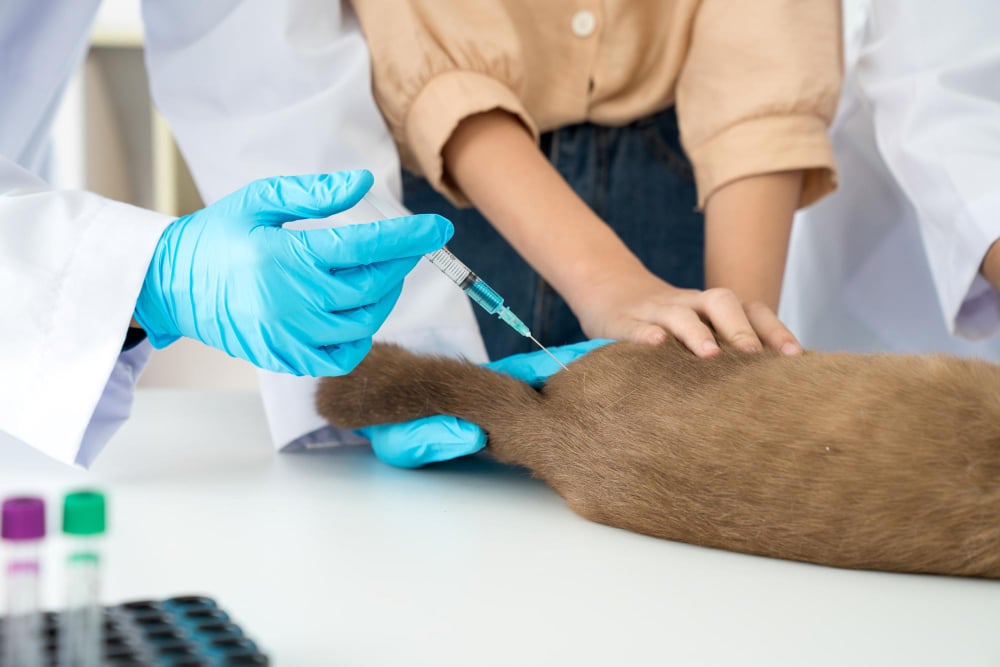
The kitten vaccination schedule involves a primary series of essential core vaccinations starting early in life, followed by routine annual boosters to maintain immunity. Kittens typically need two sets of injections for the initial primary series, often spaced 3–4 weeks apart, though the full series may continue until 16–20 weeks of age.
The typical timeline for the initial core vaccination sequence is as follows:
- Beginning the Series: Kittens should begin receiving essential core vaccinations starting between 6 and 8 weeks of age.
- First Primary Injection: The first primary injection is often given around 9 weeks old.
- Second Primary Injection/Booster: The second injection is administered 3–4 weeks after the first, typically around 12 weeks old (three months). Depending on the individual kitten and vet protocol, this primary series may continue with boosters until 16–20 weeks old, sometimes requiring a third injection at approximately 15 weeks for full protection.
- Annual Maintenance: After the initial series, protection generally lasts one year, after which cats and kittens require annual booster vaccinations. Full protection is typically achieved 3–4 weeks after the final injection in the primary series.
What Vaccinations Do Cats Need in the UK?
All cats in the UK need core vaccinations to protect against serious infectious diseases. The FVRCP vaccine covers feline viral rhinotracheitis (herpesvirus), calicivirus, and panleukopenia, all of which can cause severe respiratory or gastrointestinal illness. The FeLV vaccine (feline leukaemia virus) is also considered core for kittens and at-risk adults. FeLV can lead to fatal conditions like lymphoma and severe anaemia. These vaccines form the foundation of feline preventive care and are typically given as part of a primary course starting at 8-9 weeks of age.
Vaccination needs depend on your cat’s lifestyle. Outdoor cats face greater exposure to viruses like FeLV through bites or grooming contact with infected cats. Indoor cat vaccinations still remain essential, as viruses like panleukopenia and feline herpes can be brought indoors via shoes, hands, or other pets. Indoor cats may not require FeLV boosters after kittenhood unless risk factors change. Vets will tailor vaccine plans to lifestyle, household size, and the cat’s previous medical history to ensure optimal protection.
Booster vaccinations are crucial for maintaining immunity. Most UK cats need yearly boosters for FeLV if they go outdoors, and FVRCP boosters every one to three years depending on age, lifestyle, and risk level. Your vet will advise the correct timing. Booster visits are also opportunities for full health checks, early disease detection, and preventive advice. Missing boosters may lead to a loss of immunity, meaning your cat could need to restart the full vaccine course to be fully protected again.
Feline leukaemia virus (FeLV) is a contagious disease spread through close contact, and can result in immune suppression, cancer, and early death. Vaccination reduces this risk significantly. Cats with outdoor access or who live with other cats are particularly vulnerable. Respiratory infections from feline herpesvirus (FHV) and feline calicivirus (FCV) cause sneezing, nasal discharge, ulcers, and long-term carrier status. These viruses spread easily, especially in multi-cat homes or shelters. Vaccines reduce symptom severity, viral shedding, and complications.
Is Rabies Vaccination Required in the UK?
Rabies vaccination is not routinely required for pets living in the UK, as rabies is not present in domestic animals. However, it becomes mandatory for pets travelling abroad to countries where rabies is a known risk. The vaccine protects against a fatal viral infection and is typically given from 12 weeks of age. If you’re planning international travel with your cat or dog, your vet will advise when to administer the vaccine based on your destination and travel timeline.
Under DEFRA’s Pet Travel Scheme, pets leaving the UK must meet strict requirements to avoid quarantine on return. This includes a valid rabies vaccination, given at least 21 days before travel. The vaccine must be administered by a vet using an approved product and recorded in your pet’s passport. For pets travelling to or from listed countries, this step is essential to comply with rabies vaccination UK rules and ensure smooth, safe border crossing without delays or penalties.
A pet passport or an animal health certificate is required for travelling with pets between the UK and other countries. This document must include proof of rabies vaccination, with the vaccine date, product name, and vet details clearly noted. For most EU destinations, a 21-day waiting period after the vaccine applies. Alongside this, microchipping and rabies laws work together. Your pet must be microchipped before or on the same day as their rabies vaccine to validate the record and ensure traceability.
Are Booster Vaccinations Necessary Every Year?
Not all vaccines require annual renewal. Core vaccines like those for distemper, canine parvovirus, and hepatitis typically last up to three years after the primary course. In contrast, leptospirosis and kennel cough vaccines usually need annual pet booster shots due to shorter immunity. Duration of immunity (DOI) varies by vaccine type, your dog’s age, and health. Your vet will advise which vaccines require yearly renewal and which can follow a three-year booster cycle based on current immunology guidelines.
Titer testing offers an alternative to automatic revaccination by checking antibody levels in your dog’s blood. It’s useful for core vaccines, but cannot assess protection for diseases like leptospirosis. While this method reduces unnecessary vaccines, results are time-sensitive and may not guarantee year-round protection. Not all kennels or insurers accept titer results in place of documented vaccinations. Discussing this option as part of your preventive health services for pets plan is best done in consultation with your vet.
Veterinarians recommend a tailored booster schedule based on your dog’s age, lifestyle, travel plans, and overall health. Puppies, elderly dogs, and pets with compromised immune systems may require more frequent vaccination. Regular check-ups allow your vet to assess which diseases your pet may be exposed to and adjust their vaccination protocol accordingly. Boosters also act as reminders for annual health checks, giving vets the opportunity to detect early signs of illness while renewing essential protection against preventable disease.
If your pet misses a booster, they may lose protective immunity. Depending on how overdue the vaccine is, your vet might need to restart the entire primary course to ensure proper immune response. This is particularly important for high-risk diseases like parvovirus or leptospirosis. A lapse in coverage could leave your dog vulnerable and invalidate boarding or insurance agreements. Always speak with your vet promptly if a booster is missed; they’ll assess risk and offer the safest course of action.
How Much Do Pet Vaccinations Cost in the UK?
Vaccination prices vary across the UK depending on species, vaccine type, and location. For dogs, primary vaccination courses cost between £70 and £138, especially when including kennel cough. Cat vaccines start from £40 and can rise to £100 for a full course with FeLV. Rabies vaccinations, required for travel, average between £50 and £70. Costs can be influenced by region and whether services are provided at standard clinics or included in community-supported schemes or wellness plans.
Initial vaccinations for puppies and kittens are higher due to multiple injections. Expect to pay between £90 and £130 for first-year packages, depending on the practice and inclusions. Annual boosters are more affordable, usually ranging from £50 to £70. These include immunity top-ups for core diseases such as parvovirus or feline herpesvirus. Restarting missed boosters could require a full primary course again. Some owners opt for pet insurance for vaccines, which can offset costs across the pet’s life.
Many veterinary clinics offer wellness plans or bundled vaccine packages to reduce long-term costs. These often include full vaccination schedules, flea and worming treatments, and routine health checks at a fixed monthly fee. For example, a wellness plan might include annual boosters, microchipping, and parasite prevention for £15-£20 per month. These plans promote continuous care and budgeting predictability. They’re also ideal for proactive pet owners seeking consistent preventive health services for pets while saving on regular treatment costs.

What Happens If a Vaccination Is Missed?
What happens if a vaccination is missed is that while adhering to the recommended vaccine schedule is crucial for providing the best protection against preventable infectious diseases, occasional delays can happen and can be rectified. If you or your child missed a vaccine, you should immediately contact your GP or a health professional to ensure the missed vaccines are administered correctly, and the patient can catch up on their immunisation schedule.
Are Pet Vaccinations Safe?
Pet vaccinations are generally considered safe, although differing viewpoints exist regarding long-term effects. Vaccinations are developed and produced under very strict safety rules, requiring licensing and proof that they are both safe and effective before they can be sold. The consensus among regulatory bodies is that the benefits of getting a pet vaccinated far outweigh any risks, as serious reactions are extremely uncommon; studies on dogs and cats indicate that the rate of adverse reactions is meagre. Conversely, an alternative perspective argues that vaccines can destabilise the immune system, potentially leading to chronic illnesses such as itchiness, vomiting, and diarrhoea, suggesting that they may set up the animal for more serious conditions like cancer.
Vaccinations and Preventive Health Care
Vaccinations and preventive health care are fundamentally linked, with vaccination being recognised as the most important action available to protect individuals and children against ill health, preventing millions of deaths worldwide every year.
Vaccination is considered the most effective public health intervention to prevent disease, ranking second only to clean water, and has saved more lives and prevented more serious diseases than any other advance in recent medical history. Furthermore, immunisation is key to primary health care, recognised as an indisputable human right, and one of the best health investments available. Vaccines are critical for the prevention and control of infectious disease outbreaks, underpinning global health security, and serving as a vital tool in the battle against antimicrobial resistance.
When Should You Book a Vaccination Appointment?
The optimal time to book a vaccination appointment depends on whether the vaccine is a routine immunisation or part of a seasonal campaign. For routine immunisations, it is important that vaccines are given on time for the best protection. If a vaccine is missed by yourself or your child, you should contact your General Practitioner (GP) immediately to arrange a catch-up appointment.
For seasonal vaccination programs, such as the Autumn/Winter COVID-19 vaccination, national booking systems often open around early September, with appointments becoming available starting in October. Seasonal programs may also offer appointments between April and June, prioritising those identified as being at the highest risk first. If receiving a booster dose, you will typically be invited to book around six months after your last dose, though you may be able to have it as soon as three months after the previous dose.
Frequently Asked Questions About Pet Vaccinations
Can I vaccinate my pet myself?
No. Pet vaccinations must be administered by a licensed vet to ensure safety, correct dosage, and legal documentation.
What happens if a booster is missed?
If a booster is missed, immunity may drop. Your vet may recommend restarting the primary vaccine course based on how overdue it is.
Do indoor cats need vaccines?
Yes. Indoor cats still need core vaccines, as some viruses can enter the home via shoes, clothes, or open windows.
Related Services and Resources
Need to book a veterinary appointment today?
You can book a veterinary appointment today online, by email, or over the phone.