
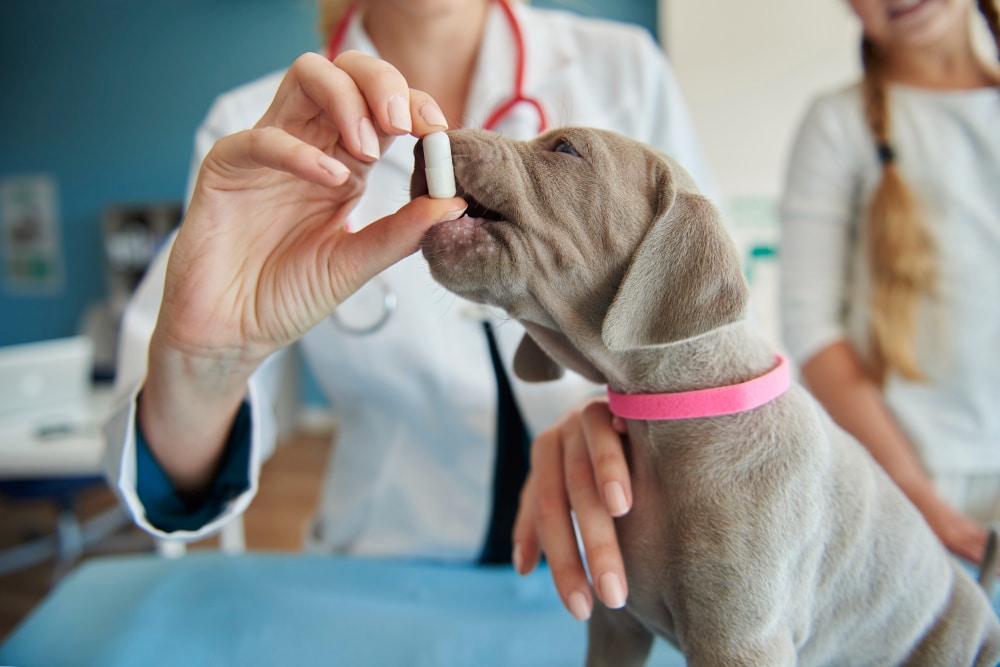
Routine health monitoring is one of the most effective ways to keep your pet healthy and comfortable throughout its life. Regular vet visits allow early detection of health issues before they become serious. These checks support vital areas like vaccinations, parasite control, and dental care. For pets with chronic illnesses, ongoing assessments help manage medication and reduce risks. Monitoring weight and overall condition also leads to better diet and lifestyle choices, ultimately enhancing your pet’s wellbeing and lowering emergency care costs.
Spotting diseases early significantly improves treatment outcomes and reduces complications. Health issues such as cancer, heart disease, and diabetes often develop silently, showing no signs until they become advanced. Regular check-ups and tests catch these conditions in their early stages, when interventions are more effective and less invasive. For example, identifying dental disease early can prevent pain and tooth loss. Professional pet consultations allow vets to notice subtle changes, adjust care plans, and maintain your pet’s comfort and quality of life.
This guide explores the most common pet health conditions in the UK, focusing on symptoms, seasonal risks, and breed-specific health vulnerabilities. Whether you’re caring for a new puppy or managing an ageing cat, the information will help you recognise warning signs, seek timely veterinary support, and make informed decisions about your pet’s care. You’ll learn how different illnesses present, which breeds are more susceptible to certain issues, and what preventative steps you can take to ensure your pet stays happy and healthy all year round.
Table of Contents
- What Are the Most Common Health Conditions in Pets?
- What Are the Most Common Dog Illnesses in the UK?
- What Are the Most Common Cat Illnesses in the UK?
- How Can I Keep Track of My Cat's Health?
- What Illnesses Affect Pets Seasonally in the UK?
- What Are the Warning Signs That My Pet Might Be Sick?
- What Health Risks Are Specific to Certain Breeds?
- What Are the Most Common Chronic Conditions in Pets?
- What Are the Most Common Health Problems in Senior Pets?
- How to Prevent and Monitor Pet Illnesses?
- When to Visit a Vet for Health Concerns?
- How Vets Diagnose Pet Health Conditions?
- How Can You Support Your Pet's Health Long Term?
- FAQs About Pet Health in the UK
- Related Guides & Resources
- Need to book a veterinary appointment today?
What Are the Most Common Health Conditions in Pets?
The most common health conditions in pets, based on issues frequently seen by veterinarians in both cats and dogs, often involve chronic problems related to oral hygiene, weight management, and common infections.
The most commonly diagnosed health conditions include:
- Dental Disease (or Gum Disease): Consistently cited as one of the most common conditions seen in pets. If untreated, it can lead to symptoms such as smelly breath, excessive drooling, or difficulty chewing.
- Obesity: Ranked among the top health problems, with a pet’s risk largely depending on factors like breed, age, diet, exercise level, and whether they are neutered.
- Ear Infections: A frequently diagnosed health issue, often listed among the top three most commonly encountered conditions, particularly in dogs.
What Are the Most Common Dog Illnesses in the UK?
Dogs in the UK often suffer from a wide range of health conditions, many of which can be prevented or managed with proper care. Common dog health problems include dental disease, ear infections, skin allergies, obesity, and gastrointestinal issues. These conditions can affect dogs at any life stage, from puppies to seniors. Regular vet check-ups, a balanced diet, parasite control, and good hygiene habits play a crucial role in maintaining overall canine health and reducing the risk of long-term complications.
Dogs are also vulnerable to viral, bacterial, and chronic illnesses that affect different organs and systems. Viral infections like parvovirus, distemper, and rabies spread rapidly and can be fatal without prompt treatment. Bacterial diseases such as leptospirosis and Lyme disease are often transmitted by ticks or contaminated water. Chronic conditions, including arthritis, diabetes, and hypothyroidism, require long-term care and regular vet monitoring. These illnesses can impact quality of life, making early detection and tailored treatment plans essential.
Some common examples are:
- Parvovirus: A highly contagious virus causing severe vomiting, diarrhoea, and dehydration, especially in unvaccinated puppies.
- Kennel Cough: A respiratory condition that spreads quickly among dogs in close quarters; causes a dry, hacking cough.
- Ear Infections: Often caused by bacteria, yeast, or allergies; symptoms include scratching, head shaking, and discharge.
- Arthritis: A progressive joint condition seen in older dogs; leads to stiffness, pain, and reduced mobility.
- Allergies: Triggered by food, pollen, or dust mites; symptoms include itchy skin, sneezing, and chronic ear infections.
What Are the Most Common Cat Illnesses in the UK?
Common cat illnesses are medical infections and diseases that frequently impact feline friends, making it important for cat parents to recognise the signs and symptoms of these problems so they can seek timely veterinary help. While veterinarians often see a certain selection of illnesses, the risks associated with these diseases can vary widely. Some issues, such as heart murmurs or obesity, affect any cat regardless of background. However, specific cat breeds are susceptible to certain conditions; for instance, purebred cats are more at risk of coat disorders, while crossbred cats face a higher susceptibility to issues like abscesses and hyperthyroidism.
How Can I Keep Track of My Cat's Health?
The Cat Health Checklist for Ongoing Monitoring includes regular at-home observations, consistent professional veterinary care, and essential hygiene practices.
Since cats are skilled at hiding signs of illness, early detection is essential for their long-term health. The best way to keep a cat happy and thriving is by combining professional check-ups with regular at-home monitoring, focusing on the following areas:
- Routine Veterinary Check-ups: Take your cat for regular check-ups to assess general body condition, weight, and dental health. Veterinary visits are crucial for early detection of potential issues, administering up-to-date vaccinations, and providing preventive treatments against parasites.
- At-Home Observation: Perform simple, regular at-home checks focusing on your cat’s eyes, ears, weight, and overall behaviour. These observations help identify subtle changes before they develop into serious problems.
- Nutritional Management: Provide a balanced diet, which forms the cornerstone of health by supplying vital nutrients required for growth, energy, and longevity. Consistently monitor your cat’s weight and feed them the right diet to maintain a healthy body condition.
Grooming and Hygiene: Maintain consistent hygiene and grooming practices, such as regular brushing (especially for long-haired cats), to keep the coat in good condition and strengthen the bond. Additionally, prioritise dental care and consistent litter box upkeep, as these practices play a significant role in preventing various health problems.
What Illnesses Affect Pets Seasonally in the UK?
Spring: Fleas, Ticks, and Pollen Allergies
Spring brings a surge in fleas, ticks, and pollen-related allergies for pets in the UK. Fleas cause itching and skin infections, while ticks can transmit Lyme disease through bites. Pollen from trees and flowers may trigger allergic reactions in sensitive pets, causing sneezing, red eyes, and itchy skin. Regular grooming, vet-recommended flea and tick preventatives, and limiting outdoor exposure during high pollen periods can help protect your pet’s health as temperatures begin to rise.
Summer: Heatstroke and Dehydration
Summer heat poses serious health threats for pets, especially those with thick coats or breathing difficulties. Heatstroke can develop quickly, with symptoms such as heavy panting, drooling, and lethargy. Dehydration often follows, leading to sunken eyes, dry gums, and reduced energy. Preventative care includes avoiding walks during peak heat, ensuring constant access to fresh water, and providing cool shaded areas. Quick response and veterinary help are critical if you notice any signs of overheating in your pet.

Autumn: Fungal Infections
Autumn increases exposure to fungal spores from damp soil, decaying leaves, and rotting wood. Pets that spend time outdoors may inhale these spores, leading to infections like blastomycosis or aspergillosis, which affect the lungs and skin. Symptoms may include coughing, fever, or visible skin lesions. Ringworm is also common during this season, spreading easily through contact. Limiting your pet’s exposure to wet, wooded areas and maintaining clean bedding and equipment can reduce the risk of autumn-related fungal infections.
Winter: Hypothermia and Joint Stiffness
Cold winter months are especially challenging for older pets and breeds with thin coats. Exposure to freezing temperatures can lead to hypothermia, with symptoms like shivering, lethargy, and pale gums. Joint stiffness and arthritis may worsen due to the cold, reducing mobility and causing discomfort. Warm bedding, protective clothing, and reduced time outdoors are essential for keeping pets safe. Regular low-impact exercise and vet-approved supplements can also help manage stiffness and support joint function during winter.
Prevention Tips for Each Season
Addressing seasonal pet health issues involves adapting care routines as weather changes. In spring, use flea and tick preventatives and clean your pet after walks. Summer care includes access to fresh water, shaded rest areas, and avoiding mid-day walks. Autumn precautions involve avoiding damp, wooded areas and checking for signs of fungal infections. In winter, focus on warmth, arthritis care, and limiting cold exposure. Regular vet visits and seasonal health checks help catch issues early and keep pets comfortable year-round.
What Are the Warning Signs That My Pet Might Be Sick?
Vomiting, lethargy, limping, and scratching are all potential signs your pet may be unwell. If your pet stops eating, seems unusually tired, or has trouble walking, these changes can indicate anything from joint pain to organ issues. Scratching excessively might signal skin allergies or parasites. Vomiting or diarrhoea that lasts more than 24 hours warrants attention. Sudden or persistent symptoms that interrupt your pet’s normal routine are symptoms that need a vet to examine further.
You should contact your vet if your pet shows ongoing or sudden symptoms that don’t improve within a day or two. This includes signs like loss of appetite, unusual weakness, vomiting blood, or trouble breathing. Also, if your pet seems to be in visible pain, hides more than usual, or becomes aggressive without explanation, a professional assessment is essential. Even subtle behavioural changes can indicate an underlying issue. Trust your instincts if something feels off; your vet can help assess the situation.
Changes in behaviour often reflect hidden health problems. If your pet is unusually withdrawn, hides more than normal, or becomes suddenly aggressive, it could be reacting to pain or discomfort. Sleeping more, seeking unusual places to rest, or avoiding interaction are common signs that something is wrong. Monitor habits like eating, drinking, grooming, and toilet use closely; disruptions in these can be the earliest indicators of illness. Behavioural shifts should always be taken seriously, even when physical symptoms are not immediately obvious.
What Health Risks Are Specific to Certain Breeds?
Small Dog Breed Issues
Small dog breeds such as Yorkshire Terriers, Pomeranians, and Chihuahuas often face health problems related to their size and structure. One common issue is tracheal collapse, where the windpipe weakens and causes coughing or difficulty breathing. Another frequent condition is luxating patella, where the kneecap slips out of place, leading to limping or discomfort. These conditions may not be life-threatening but often require long-term management. Regular vet check-ups help monitor these risks and ensure a better quality of life.
Large Breed Risks
Larger dog breeds like Great Danes, German Shepherds, and Saint Bernards are prone to more severe structural and internal health issues. Hip and elbow dysplasia are widespread, caused by abnormal joint development that leads to pain and mobility problems. Another major concern is gastric dilatation-volvulus (bloat), a life-threatening condition where the stomach twists. Large breeds also have a higher risk of certain heart diseases. Preventive care, joint support, and careful feeding routines are key in managing these health challenges.
Cat Breeds and Their Vulnerabilities
Pedigree cat breeds, particularly Persians and Maine Coons, are often genetically predisposed to specific conditions. Persians are at risk for respiratory problems due to their flat facial structure, while both breeds are prone to hypertrophic cardiomyopathy (HCM), a serious heart condition. Polycystic kidney disease (PKD) is another concern, especially in Persian lines. These health risks in specific pet breeds highlight the need for targeted screenings and breed-aware veterinary care to detect problems early and improve health outcomes.
Why Breed Matters for Health Planning
Understanding your pet’s breed is essential for planning long-term health care. Many hereditary conditions arise from selective breeding practices, which can reduce genetic diversity and increase the likelihood of disease. Breed-related medical conditions often include joint problems, heart issues, or skin sensitivities that vary between species. For instance, flat-faced breeds may need respiratory care, while deep-chested breeds might require dietary management to prevent bloat. Knowing your pet’s genetic predispositions allows for tailored care plans, early diagnostic testing, and preventative strategies. With this knowledge, owners can work closely with their vets to reduce risks and support healthier lives.
What Are the Most Common Chronic Conditions in Pets?
Chronic conditions in pets are ongoing injuries or illnesses that can last a lifetime. Much like humans, companion animals suffer from these longstanding or degenerative diseases often as a result of the ageing process, or due to factors influenced by genetics, exercise, and diet. These conditions frequently require regular medication and monitoring through frequent visits to the vet’s office. Caring for a chronically ill pet requires significant time, effort, and patience from the owner, as seeing a pet in distress can be very difficult to deal with.
What Are the Most Common Health Problems in Senior Pets?
Senior pet health concerns primarily revolve around physical and behavioural changes that, while often attributed solely to “old age†(such as being less playful or losing weight), may actually indicate underlying and manageable medical conditions. Early detection is crucial, as many age-related conditions can be effectively managed with the right treatment and necessary lifestyle adjustments. It is important for pet owners to be highly observant of these changes and take their pet to the veterinarian promptly if they suspect something is amiss, as these shifts might have a treatable medical cause; some veterinarians even offer specialised clinics for senior pets to offer guidance and address these complex health issues.
How to Prevent and Monitor Pet Illnesses?
Routine Check-ups
Routine veterinary check-ups are essential for maintaining your pet’s health and catching problems early. During these visits, vets assess your pet’s overall condition, check weight, teeth, and joints, and discuss any unusual behaviour you’ve noticed. These appointments allow for early diagnosis of illnesses like arthritis, dental disease, or internal conditions. Regular check-ups also help you stay informed about age-related changes and provide a chance to tailor care as your pet grows or develops new health needs.
Vaccinations
Keeping your pet’s vaccinations up to date is a key defence against serious illnesses like rabies, parvovirus, and distemper. Vaccinations work by boosting your pet’s immune system and preventing common diseases that can spread easily, especially in social settings like kennels or dog parks. Your vet will recommend a vaccination schedule based on your pet’s age, lifestyle, and health history. Sticking to this plan not only protects your pet but also reduces disease spread within the wider pet community.
Parasite Control
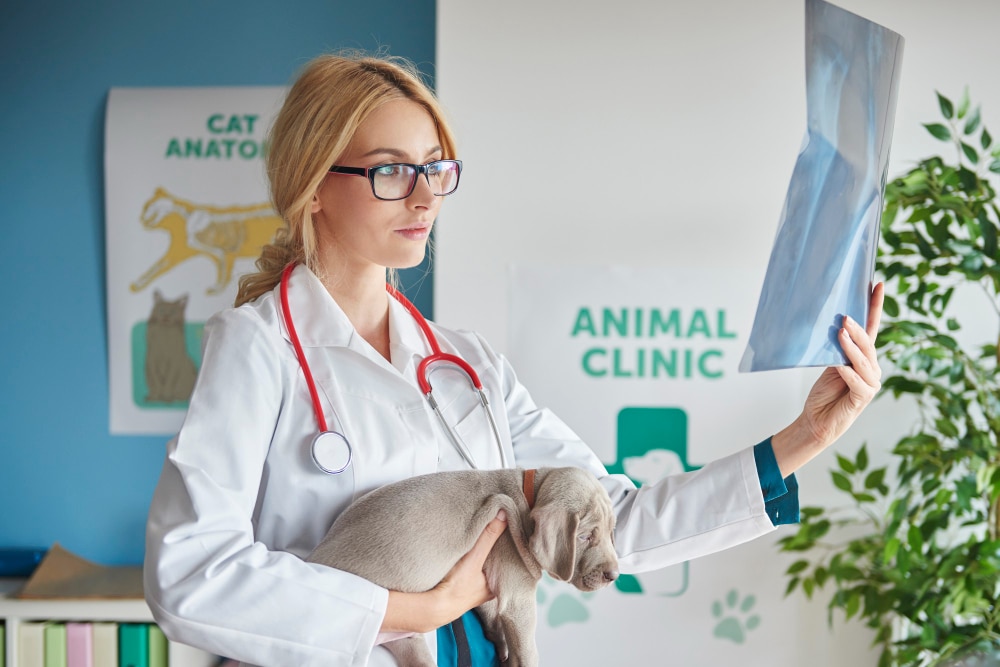
Parasites such as fleas, ticks, and worms pose ongoing risks to pets, often carrying harmful bacteria or viruses. Regular parasite control helps prevent discomfort, infections, and serious illnesses like Lyme disease or heartworm. Your vet can recommend a suitable treatment plan, including monthly topical treatments, tablets, or collars. It’s important to tailor parasite prevention to the season and your pet’s lifestyle. Prompt treatment and prevention are key to protecting your pet and maintaining a safe home environment.
At-Home Monitoring Tools
At-home monitoring plays a crucial role in spotting early signs of illness. Watch for changes in behaviour, eating habits, or energy levels. Regularly check your pet’s coat, eyes, ears, and gums for abnormalities. Basic tools like thermometers, weight scales, or pet health apps can help track changes in temperature, weight, or sleep. Monitoring bowel habits, urination, and signs of vomiting or diarrhoea is also important. Early detection allows for quicker vet intervention and better long-term outcomes.
When to Visit a Vet for Health Concerns?
You should visit a vet when your pet shows any unusual or persistent changes in behaviour, appetite, or energy levels. Signs such as vomiting, diarrhoea, or limping should never be ignored. Urgent attention is needed for symptoms like breathing difficulty, seizures, or visible injuries. If you’re unsure whether it’s an emergency or something less critical, call your vet for guidance. Quick action, even for subtle symptoms, can prevent complications and support a quicker recovery.
A standard health exam gives a full overview of your pet’s physical condition. Vets will check weight, heart rate, temperature, skin, eyes, ears, and teeth. They’ll ask about appetite, behaviour, and any changes you’ve noticed. In some cases, diagnostic tests like bloodwork or urine analysis may be recommended. Routine check-ups offered through veterinary clinic services help detect underlying conditions early, keep vaccinations up to date, and tailor preventative care based on your pet’s age and lifestyle.
Understanding the difference between routine and emergency care helps you act quickly when it matters. Emergency cases, like severe bleeding, poisoning, or seizures, need immediate attention through emergency vet care. Routine care, such as vaccinations, dental cleaning, or check-ups, should be scheduled regularly to maintain overall health. Puppies, senior pets, or animals with chronic conditions may need more frequent visits. Keeping a log of symptoms and behaviour changes can help your vet provide faster, more accurate care.
How Vets Diagnose Pet Health Conditions?
Vets diagnose pet health conditions by employing a systematic process utilising various essential tools and resources to pinpoint exactly what is wrong before administering the right treatment. This diagnostic process is crucial for uncovering hidden conditions, confirming diagnoses, monitoring chronic diseases, and guiding the development of accurate and effective treatment plans.
The veterinary diagnostic services used to identify and monitor a range of health issues in pets generally encompass the following procedures:
- Laboratory tests
- Advanced diagnostic imaging procedures
- Cellular evaluations
- Condition-specific screenings
How Can You Support Your Pet's Health Long Term?
Supporting your pet’s health long term requires proactive strategies centred around routine care, preventative medicine, and strong communication with your veterinarian. By focusing on prevention, owners can help maintain their pet’s well-being and potentially avoid unexpected or emergency bills.
Key steps for maintaining your pet’s long-term health include:
- Schedule routine veterinary check-ups, such as yearly health checks, to ensure early detection and maintenance of overall health.
- Discuss and implement preventative treatments advised by your vet, including appropriate vaccinations and regular parasite control for issues like fleas and worms.
- Inquire about health care schemes or packages offered by veterinary practices, which can help manage the costs of check-ups and preventative treatments, often alongside your pet insurance.
- If managing chronic conditions, dedication and knowledge are required; stay proactive with frequent vet visits, provide a supportive home environment, and rigorously follow the full treatment plan recommended by your veterinary team to ensure your pet has the best chance at a comfortable, happy life.
FAQs About Pet Health in the UK
What does a pet health plan include?
A pet health plan typically includes vaccinations, flea and worm treatments, regular health checks, and discounts on routine services.
What is the most overlooked pet healthcare issue?
Dental disease is the most overlooked issue; it often goes unnoticed until it causes pain or serious infection.
What is a health check for animals?
A health check involves a vet examining your pet’s weight, heart, teeth, skin, ears, and overall condition to spot any health concerns early.
Related Guides & Resources
Need to book a veterinary appointment today?
You can book a veterinary appointment today online, by email, or over the phone.